Explore autism through the lens of neurodevelopmental disorders, including research-backed facts, diagnosis tips, and supportive strategies.
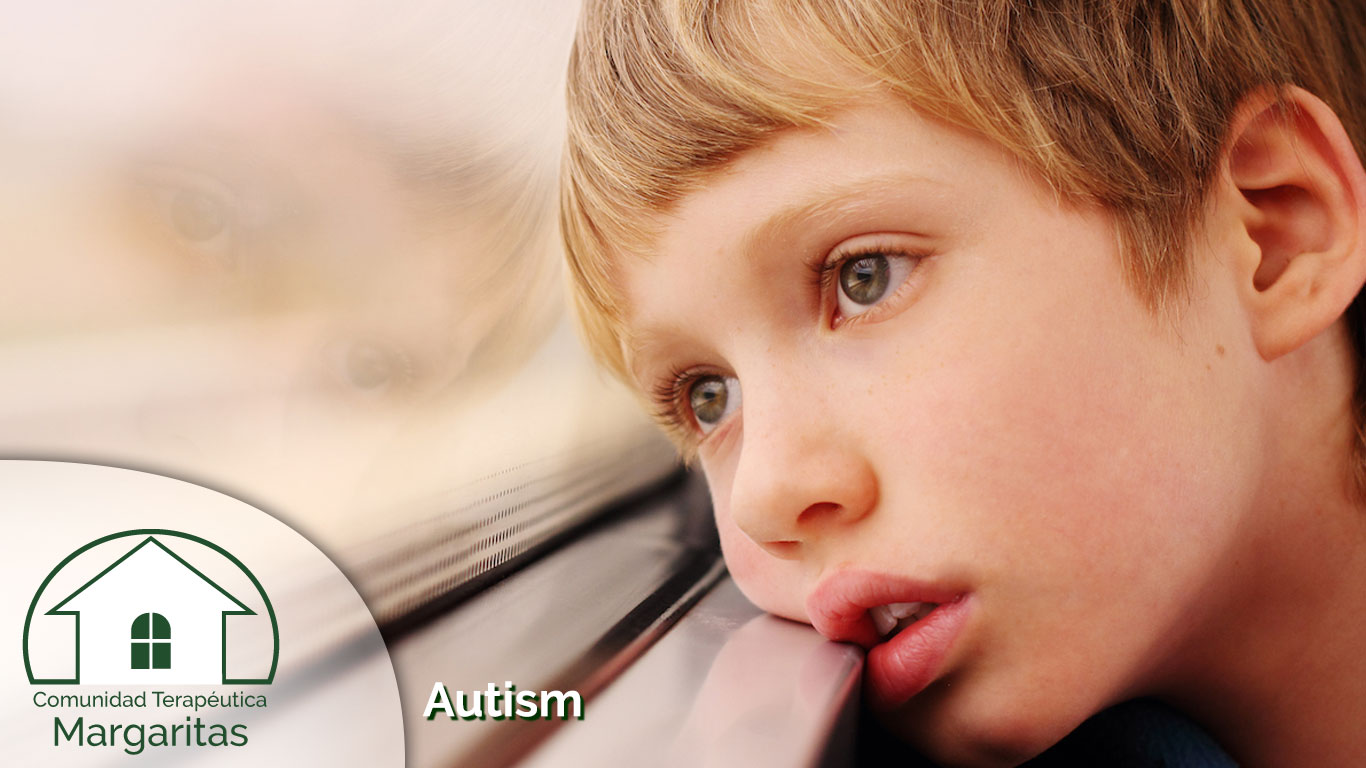
Autism Spectrum Disorder (ASD) is a neurodevelopmental condition that affects how a person perceives, communicates, and interacts with others. It is called a “spectrum” because it manifests in very diverse ways, from mild to more complex forms, varying in each individual.
Generally, autism is identified in early childhood, although in some cases it may be diagnosed later. Its main characteristics include difficulties in social communication (such as problems maintaining conversations or interpreting gestures and emotions), restricted and repetitive patterns of behavior, as well as very specific or intense interests. It is also common for people with autism to have sensory sensitivities, that is, intense or diminished reactions to stimuli such as sounds, lights, or textures.
The causes of autism are not fully understood, but it is considered to involve a combination of genetic and environmental factors. It is not an illness, nor does it have a “cure”; rather, it is a condition that is part of neurodiversity.
Treatment or support focuses on improving quality of life and promoting the development of skills. This may include Speech therapy, behavioral intervention, educational support, and family support are all provided.
In conclusion, autism is a different way of processing the world. With understanding, inclusion, and appropriate support, people with ASD can develop fully and lead meaningful lives.
World Autism Awareness Day is commemorated every April 2nd and was established by the United Nations in 2007. Its main objective is to raise awareness about Autism Spectrum Disorder (ASD), promoting inclusion, respect, and understanding for autistic people.
- Healthy eating:
- Eat more fruits, vegetables, whole grains, and lean proteins. Reduce your consumption of sugars and saturated fats.
- Regular exercise:
- Do at least 30 minutes of moderate physical activity a day, such as walking, running, or swimming. Hydration: Drink enough water throughout the day.
- Adequate sleep:
- Get 7-9 hours of sleep each night.
- Stress management:
- Practice relaxation techniques such as meditation, yoga, or deep breathing.
- No smoking:
- Avoid tobacco and vaping.
- Limit alcohol:
- Reduce your consumption of alcoholic beverages.
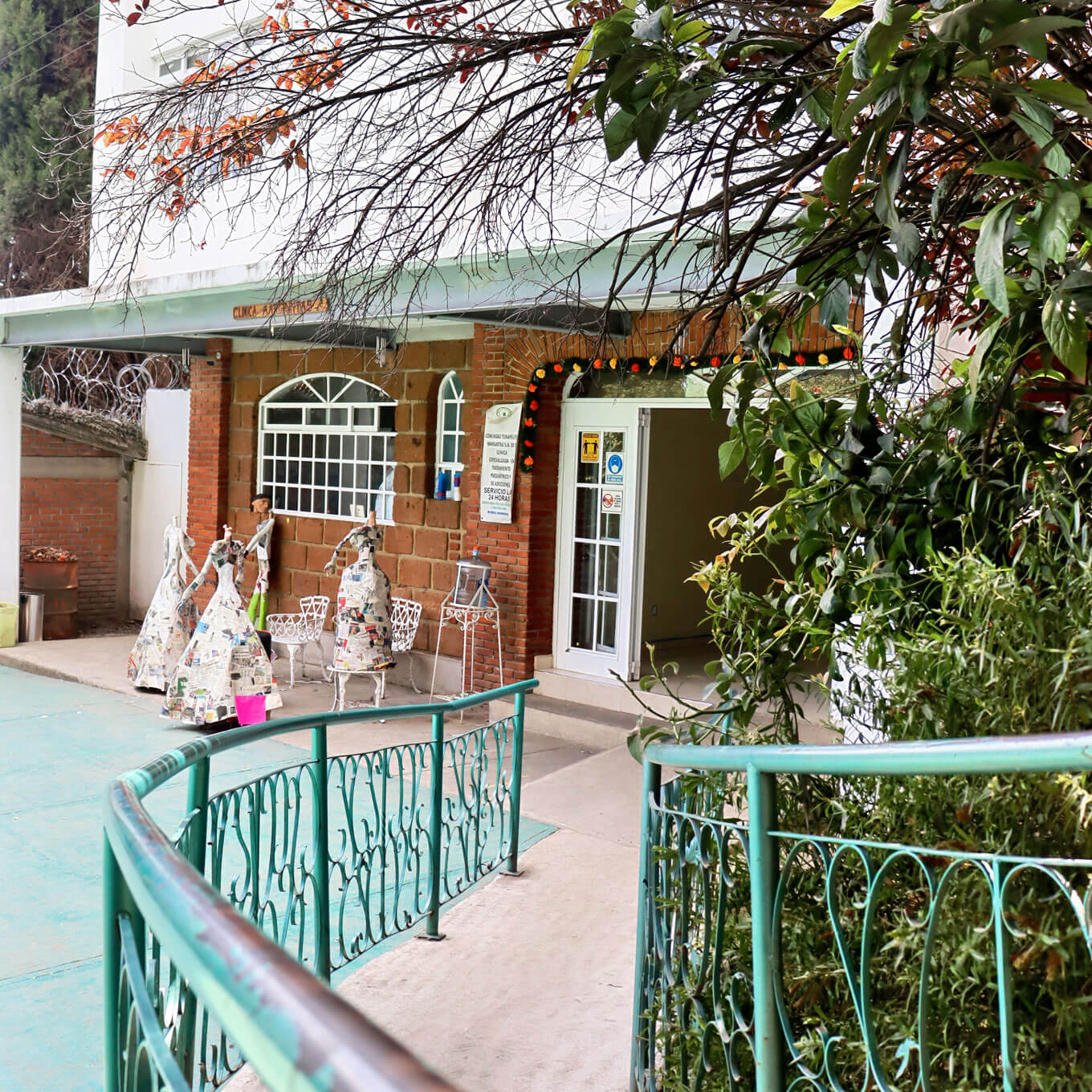
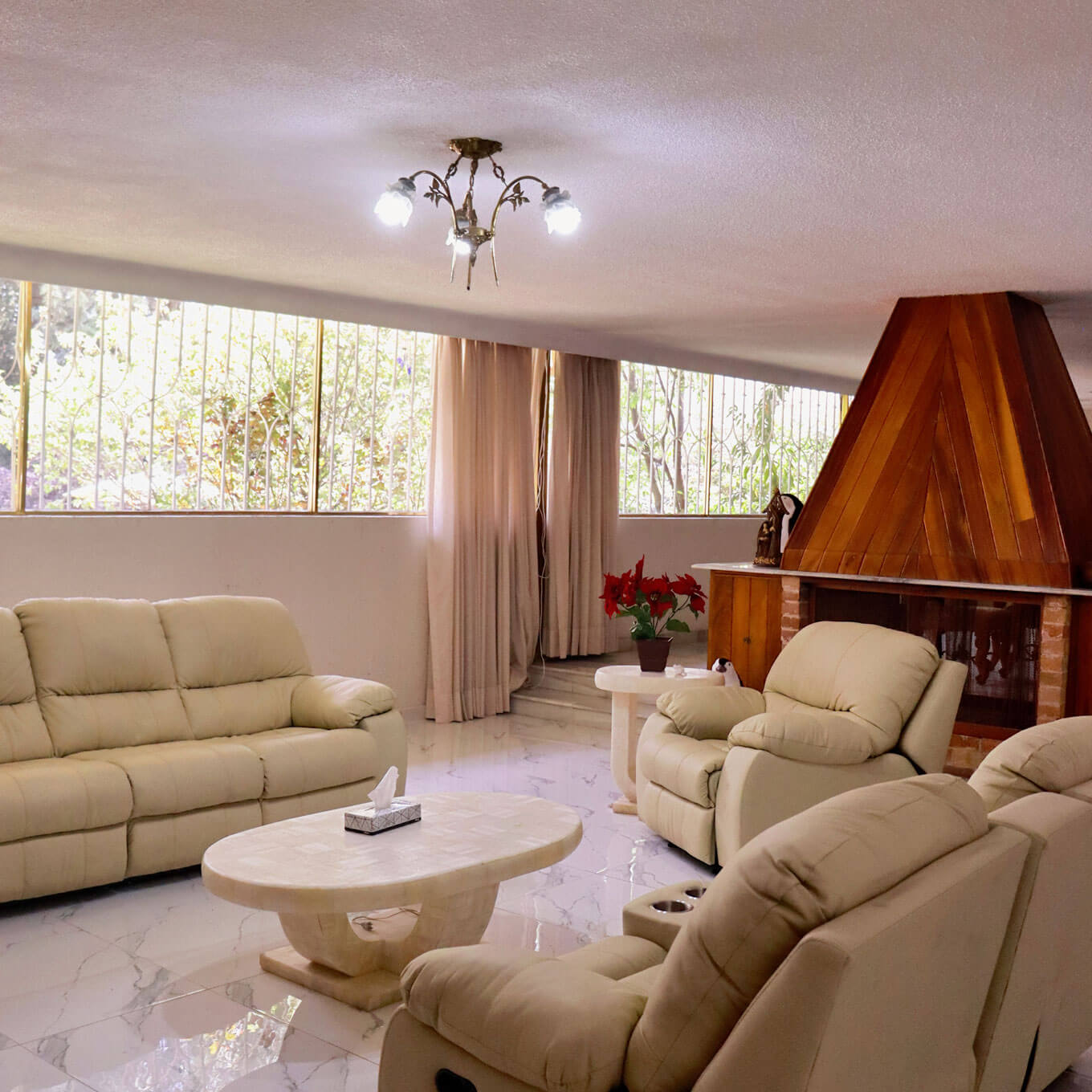
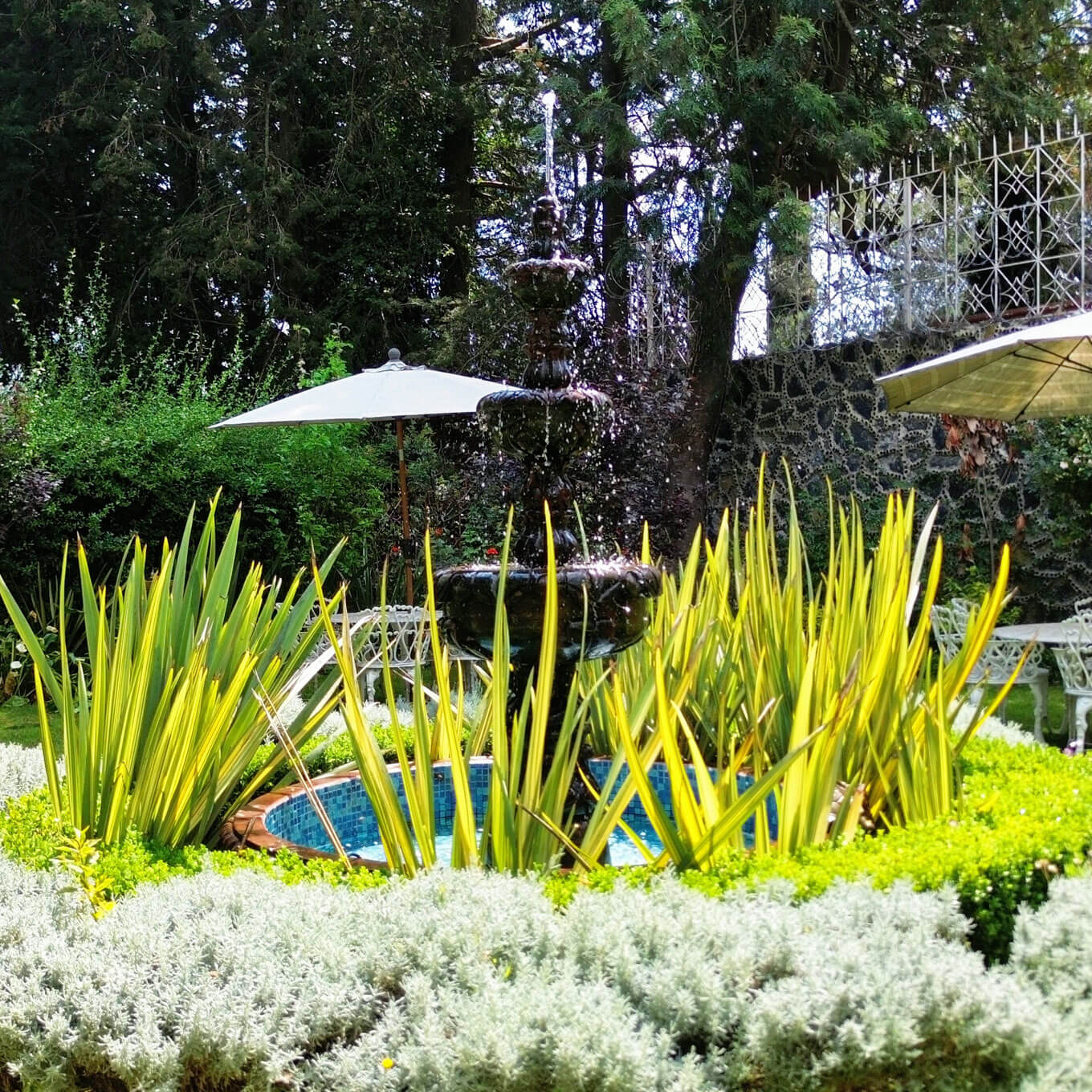
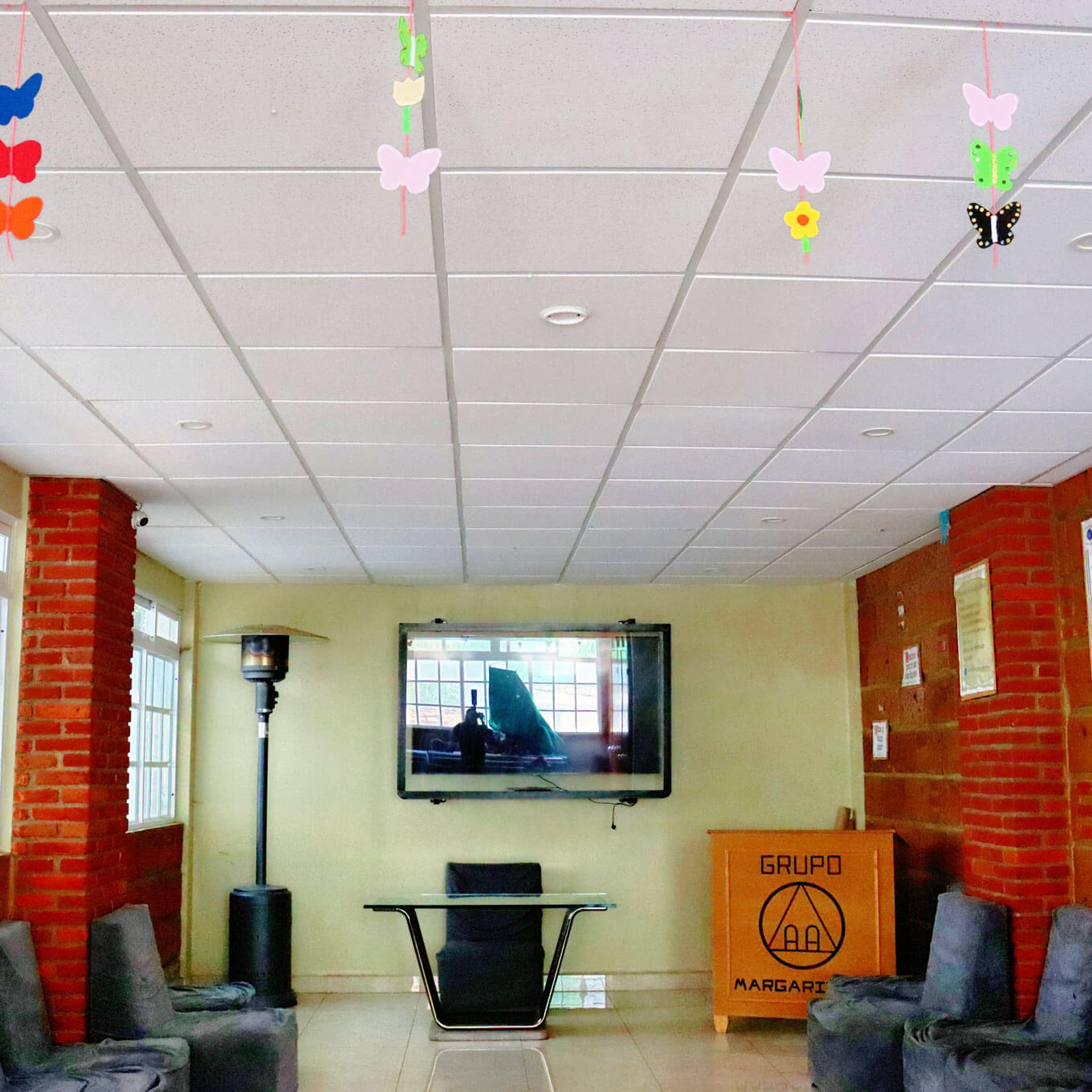

Our unique model allows patients to be in an inclusive environment, interact with society, and thrive within it. Over time, we have seen excellent results with the types of therapies and workshops we offer, which set us apart from institutions, psychiatric clinics, and other halfway houses in Mexico.
MEET OUR TEAM
Fully committed
to your mental health
Meet Margaritas Therapeutic Community
Medical Staff


Facilities
We have the best facilities in an area away from the city for the peace of mind of our patients.
- Pavilion 1
- Pavilion 2
- Sports court
- Green areas

Activities
Our therapies include a variety of activities both within and outside the community.
- Crafts and Arts Activities
- Workshops:
- Reading Workshop
- Film Discussion Workshop
- Bookbinding Workshop
-
Physical Activities:
- Movement Therapy
- Yoga
- Tai Chi
- Pilates
Treatments and Therapies
at Margaritas Therapeutic Community
Multidisciplinary Approach

Psychological Care
It focuses on guiding the patient through a health professional (psychologist).

Medical Treatment
Interconsultations with internal medicine, dentistry, neurology, gynecology etc, plus laboratory and imaging tests according to the patient's needs.

Psychological Care
It focuses on guiding the patient through a health professional (psychologist).
Medical Treatment
Interconsultations with internal medicine, dentistry, neurology, gynecology etc, plus laboratory and imaging tests according to the patient's needs.