What is anorexia?
It is an eating disorder characterized by excessive weight loss caused by the patient themselves. It occurs primarily, or most frequently, in adolescent girls, although cases exist in men and at different ages. The causes can be multiple, but there is no single specific cause; there are some sociocultural and psychological risk factors that influence its development.

What causes anorexia?
Sociocultural Factors
The environment in which a person develops can be a determining factor in their adoption of risky behaviors.
- The pressure of fashion and adherence to certain stereotypes about aesthetics and beauty can trigger the disorder.
- Peer pressure to be thin, as well as some sports that promote thinness or professions like modeling, can also contribute.
- A family environment with alcoholism or drug addiction can exert pressure on the individual; in other cases, parents are the ones who are concerned about body image and impose strict diets or are overprotective.
Psychological Factors
Some people have obsessive-compulsive personality traits, so their determination to look perfect, be thin, and follow a strict diet can push them to the limit.
A significant event can trigger emotional stress and lead to anorexia.
Warning signs of anorexia
- Avoiding food intake or gradually reducing food intake
- Self-induced vomiting
- Intestinal purging
- Excessive exercise to lose weight
- Use of diuretics or laxatives
- Weighing oneself constantly or never at all
- Weighing oneself in loose clothing
- Feeling guilty after eating
- Following strict diets, prolonged fasting, skipping meals, or making excuses not to eat
- Obsession with weight, clothing size, or the foods consumed
Physiological Indicators
- Significant weight loss,
generally a Body Mass Index (BMI) below 17.5 kg/m² without other identifiable contributing factors. - Weak or excessive hair loss.
- Dizziness or fainting.
- In women, menstrual cycle irregularities may occur.
- Paleness and bluish fingers.
- Increased sensitivity to cold.
- Low blood pressure.
- Lanugo (fine, downy hair covering the entire body).
- Dry skin and brittle nails.
Psychological Indicators
- Fear of gaining weight or developing sagging skin.
- Depression, irritability, anxiety, or mood swings.
- Distorted body image (feeling overweight).
- Difficulty concentrating and paying attention.
- Some patients may be perfectionists.
Consequences and Complications
If not detected early, it can be fatal or cause serious organ damage.
- Anemia
- Heart problems
- Osteoporosis and increased risk of fractures
- Muscle loss
- Gastrointestinal problems
- Low sodium and potassium levels
- Kidney problems
Factors that contribute to the maintenance of anorexia:
- Denial:
- The person refuses professional help and maintains the belief that they do not have an eating disorder.
- Positive reinforcement:
- This reinforcement comes from the person's social circle. When the person engages in excessive exercise, they may receive well-intentioned comments about how good they look because they have lost weight, and these comments may be praised for their commitment to strict diets.
How to Treat Anorexia?
The treatment a patient receives must be personalized, as each case is unique and presents different stages of anorexia. Patients are helped to regain their health through activities and medical support from various disciplines, including nutritionists, psychologists, social workers, psychiatrists, and specialists such as cardiologists or endocrinologists, depending on the stage of the disorder. The family plays a crucial role, and their presence throughout the treatment process is essential. They must be supportive and provide constant assistance to both the patient and the medical team.
Some advanced cases may require hospitalization.
Nutrition:
A balanced diet is prescribed, with calorie intake tailored to each patient's needs. Monitoring is necessary to assess whether the patient has reached a healthy weight for their body type.
Some advanced cases may require hospitalization.
Psychological Support:
The psychologist is responsible for addressing and managing the patient's body image, depression, anxiety, and the reasons why the disorder began. Therapy can be individual, group, or family-based.
In certain cases, certain types of medication may be used to control depression or anxiety; it is important that the doctor in charge of the case is the one who prescribes these medications.
How to Prevent Anorexia?
It's not 100% preventable; however, there are different ways to identify risk behaviors that lead to anorexia. Habits can be developed and monitored by family and friends to help prevent it:
- Engaging in controlled exercise.
- Paying attention to self-esteem and body image.
- Scheduling routine checkups where weight is monitored and a healthy diet is implemented helps to identify any drastic changes early.
Above all, one of the most important aspects is communication. Fostering self-esteem, teaching problem-solving skills, and creating a trusting environment can help identify a problem early. Having someone to talk to about problems can be crucial in at-risk cases.
Psychological Help
If you think you might have this disorder, remember that medical help is vital. Contact the contact Comunidad Terapéutica Margaritas, as they have professionals who will work on your treatment and recovery.
If you notice any warning signs in someone and want to help them, try to have a very honest conversation to tell them about the behaviors that make you think they might have a problem. This can be the first step, always showing your concern for their health without pointing it out. It's also important to indicate that you want to offer help.
The support of a friend or family member is vital, but this shouldn't be confused with trying to be a psychologist. It's always important to consult with experts and suggest that they go to an institution where doctors from different disciplines are available to help them.
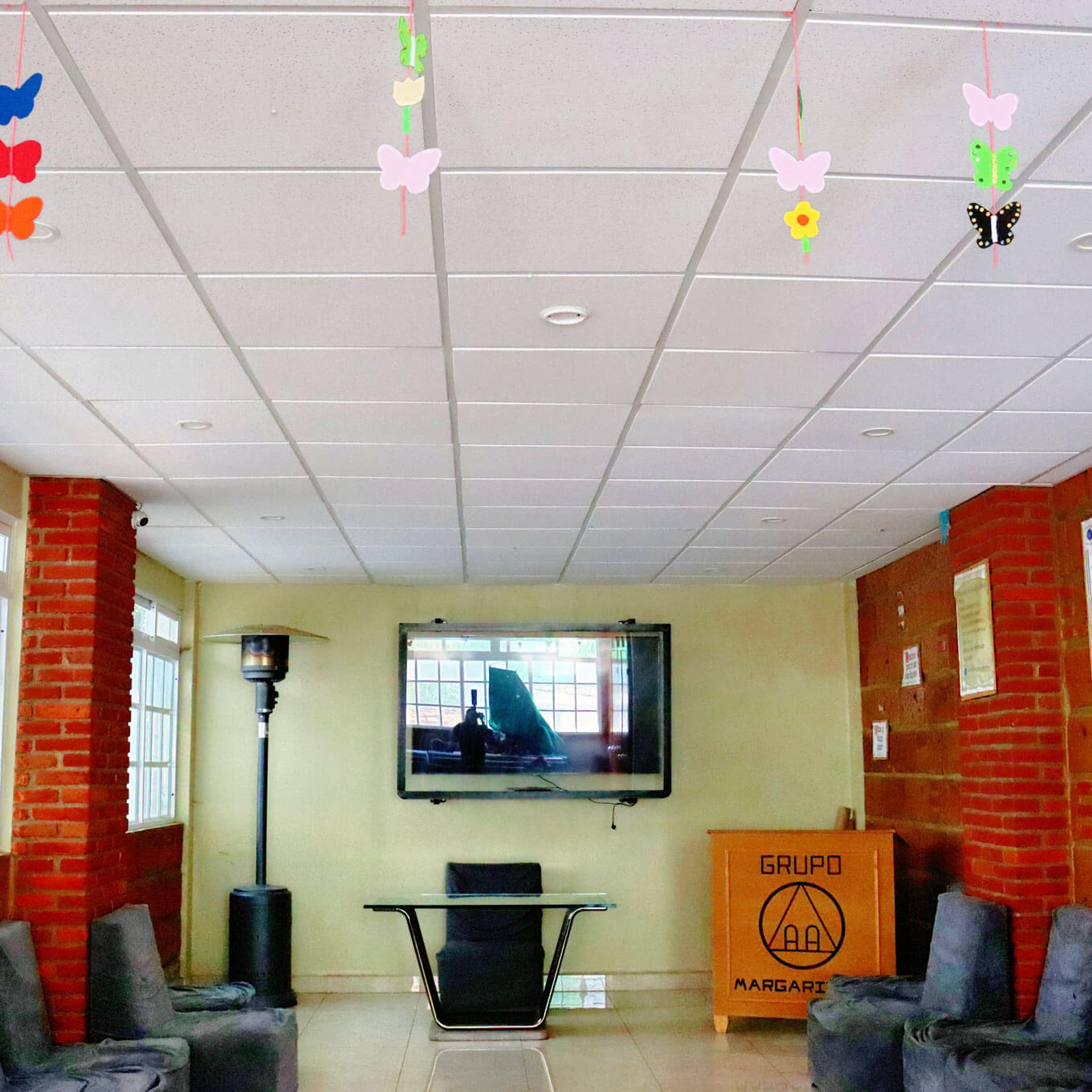


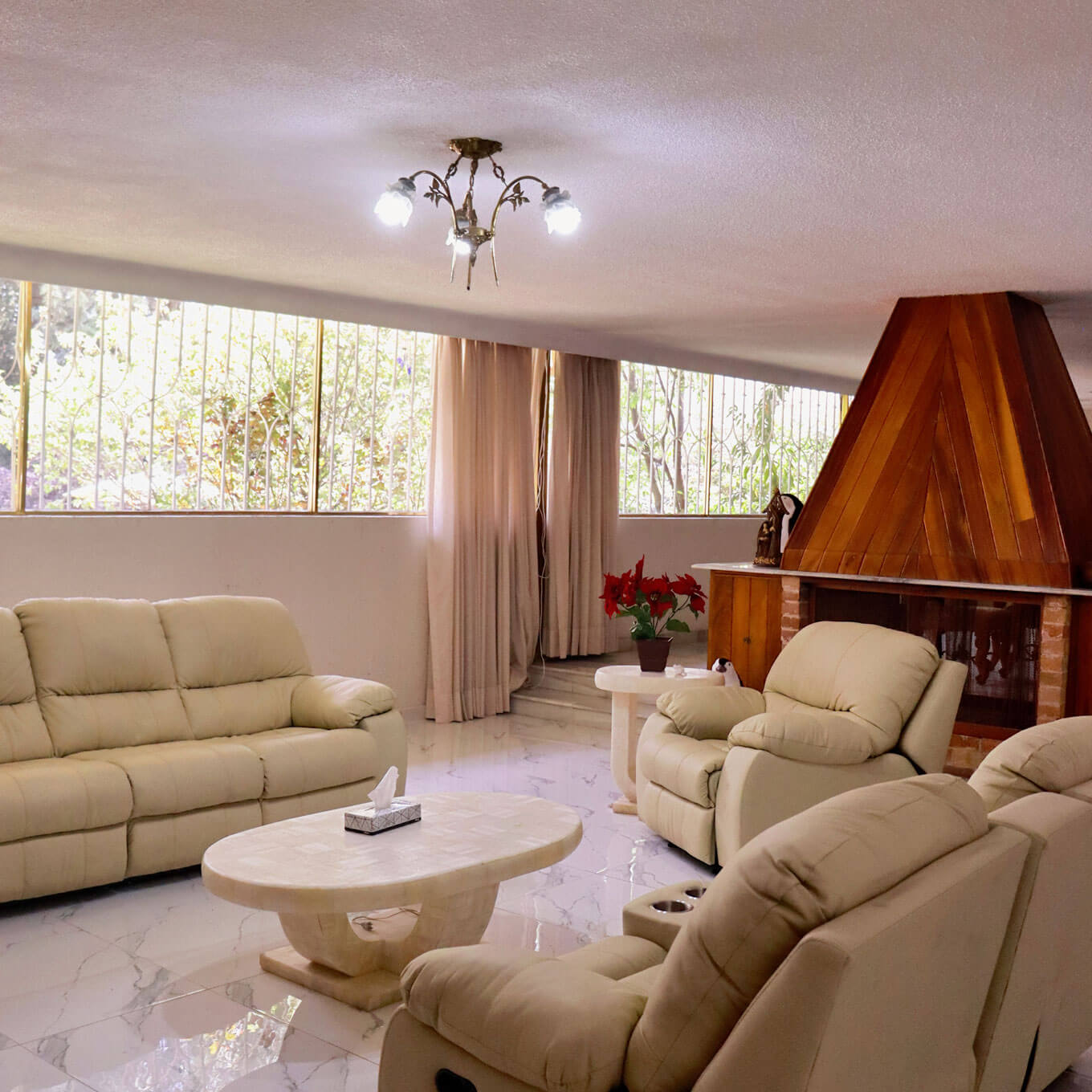

Our unique model allows patients to be in an inclusive environment, interact with society, and thrive within it. Over time, we have seen excellent results with the types of therapies and workshops we offer, which set us apart from institutions, psychiatric clinics, and other halfway houses in Mexico.

MEET OUR TEAM
Fully committed
to your mental health
Meet Margaritas Therapeutic Community
Medical Staff


Facilities
We have the best facilities in an area away from the city for the peace of mind of our patients.
- Pavilion 1
- Pavilion 2
- Sports court
- Green areas

Activities
Our therapies include a variety of activities both within and outside the community.
- Crafts and Arts Activities
- Workshops:
- Reading Workshop
- Film Discussion Workshop
- Bookbinding Workshop
-
Physical Activities:
- Movement Therapy
- Yoga
- Tai Chi
- Pilates
Treatments and Therapies
at Margaritas Therapeutic Community
Multidisciplinary Approach

Psychological Care
It focuses on guiding the patient through a health professional (psychologist).

Medical Treatment
Interconsultations with internal medicine, dentistry, neurology, gynecology etc, plus laboratory and imaging tests according to the patient's needs.

Psychological Care
It focuses on guiding the patient through a health professional (psychologist).
Medical Treatment
Interconsultations with internal medicine, dentistry, neurology, gynecology etc, plus laboratory and imaging tests according to the patient's needs.