It is a disease that affects a person's behavior, perception of reality, and emotions, causing mood swings.
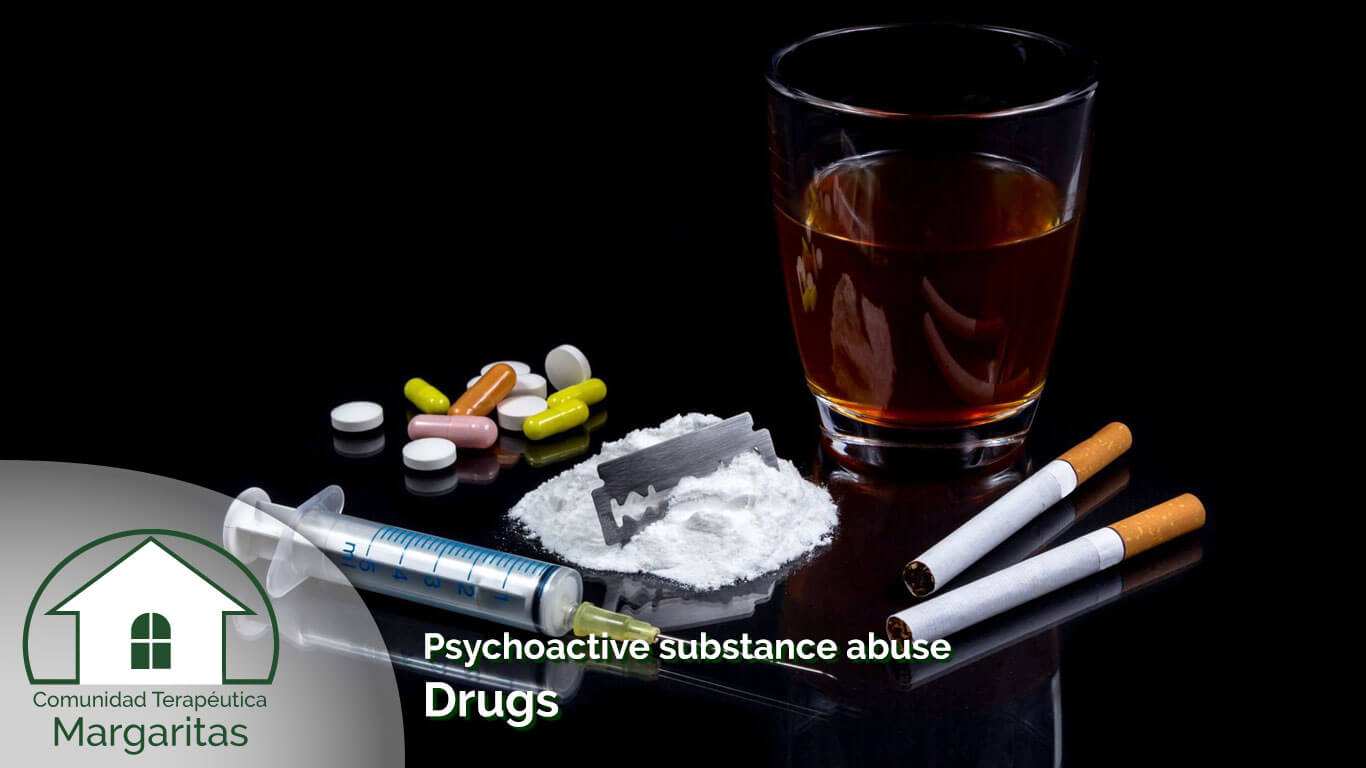
It is characterized by the excessive use of legal or illegal drugs and a lack of control due to repeated use. There is an uncontrollable urge to use drugs.
It can affect men and women of any age, although it commonly begins in adolescence.
Among the most abused psychoactive substances are the following:
- Alcoholic beverages
- Amphetamines
- Anabolic steroids
- Cocaine
- Sedatives
- Hallucinogens
- Inhalants
- Marijuana
- Narcotics
- Medications
- Tobacco
What are the causes of addiction?
Many factors can lead to drug use, including genetic predisposition, influence from family or social circles, and personal problems.
Sometimes, one of the causes is curiosity about the sensation of using a certain substance, especially among young people, and this can be influenced by a group of friends.
For others, problems such as the loss of a family member, friend, job, or a traumatic experience can lead to drug use as a way to escape reality and try to avoid problems.
Regarding the family circle, it can be due to coming from a violent relationship or one where illegal substance use is also present; having drug-addicted parents is a risk factor.
Peer influence is also one of the most common causes, in addition to the need for acceptance within a social group, so they begin using drugs, often with the idea that using it just once won't hurt.
There are cases of people who have become addicted to substances because they were previously prescribed certain medications that carry a risk of addiction if not taken according to the prescription; this is how they develop dependence. Having a mental disorder can also lead to drug use.
What are the symptoms of drug abuse?
Symptoms vary depending on the type of substance being used. Some examples include:
- Increased or decreased blood pressure and heart rate (depending on the substance)
- Red or glassy eyes
- Lack of coordination
- Difficulty concentrating
- Distorted perception of reality
- Sweating
- Mental confusion
- Motor impairment
- Memory problems
- Paranoia
- Fatigue
- Delirium
- Euphoria or nervous laughter
- Hallucinations
- Dizziness, nausea, or vomiting
- Exaggerated, violent, or psychotic behavior
- Slurred speech
- Irritability
- Dry mouth
- Irrited eyes
- Nasal congestion
- Blurred vision
- Sexual desire (some substances can induce this)
- Dilated pupils
- Lettrence
- Lack of reflexes
- Loss of consciousness or fainting
- Tolerance develops: This is when a person needs to consume a larger amount to achieve the same effect, as the body becomes accustomed to it. Adapts to the consumption of these substances.
What are the signs of drug abuse?
- Increased need to use drugs
- Changes in sleep patterns, such as sleeping less or sleeping during the day
- Changes in behavior, such as suspicious behavior, withholding information about where they are going or who they are with
- Financial problems: These may arise due to excessive spending on drugs
- Giving up activities they previously enjoyed
- Using increasingly larger amounts of drugs
- Dropping out of routine activities such as school or work
- Withdrawing from family
- Neglected appearance
- Unexplained weight loss
What are the complications of drug abuse?
Using drugs has both short- and long-term consequences, which vary depending on the substances and the duration of use. However, in excess, some drugs can lead to death.
- Seizures
- Coma
- Respiratory or circulatory problems
- Dehydration
- Brain damage
In addition to physiological complications, there are others related to the use of illegal substances, such as problems at work, school, legal or financial issues, as well as inappropriate behaviors that can lead to accidents, contracting diseases like HIV due to unprotected sex or sharing needles to inject drugs. Suicide can also be a consequence.
What should I do if I think a family member or friend, or I, is abusing psychoactive substances?
If you believe a friend or family member is using drugs, the first thing to understand is that it's not simply a matter of willpower. It requires more than just the decision to stop using; it's a much larger problem that shouldn't be taken lightly. At Comunidad Terapéutica Margaritas, we have specialized professionals who treat this disorder.
Addiction treatment is essential and requires a comprehensive approach (psychologist, psychiatrist, and addiction counselor). Treatment may include individual psychological support and group therapy. Family support is also crucial, and in some cases, inpatient treatment is necessary.
Some people, like family members or friends, may relapse. If you're supporting someone with this problem, it's essential to consult with specialists to learn how to prevent a relapse or what to do if one occurs. Prevention can include actions such as avoiding places where drugs were obtained and adhering to the specialists' recommendations.
In case of an overdose, it is necessary to seek help immediately, as it can cause death.
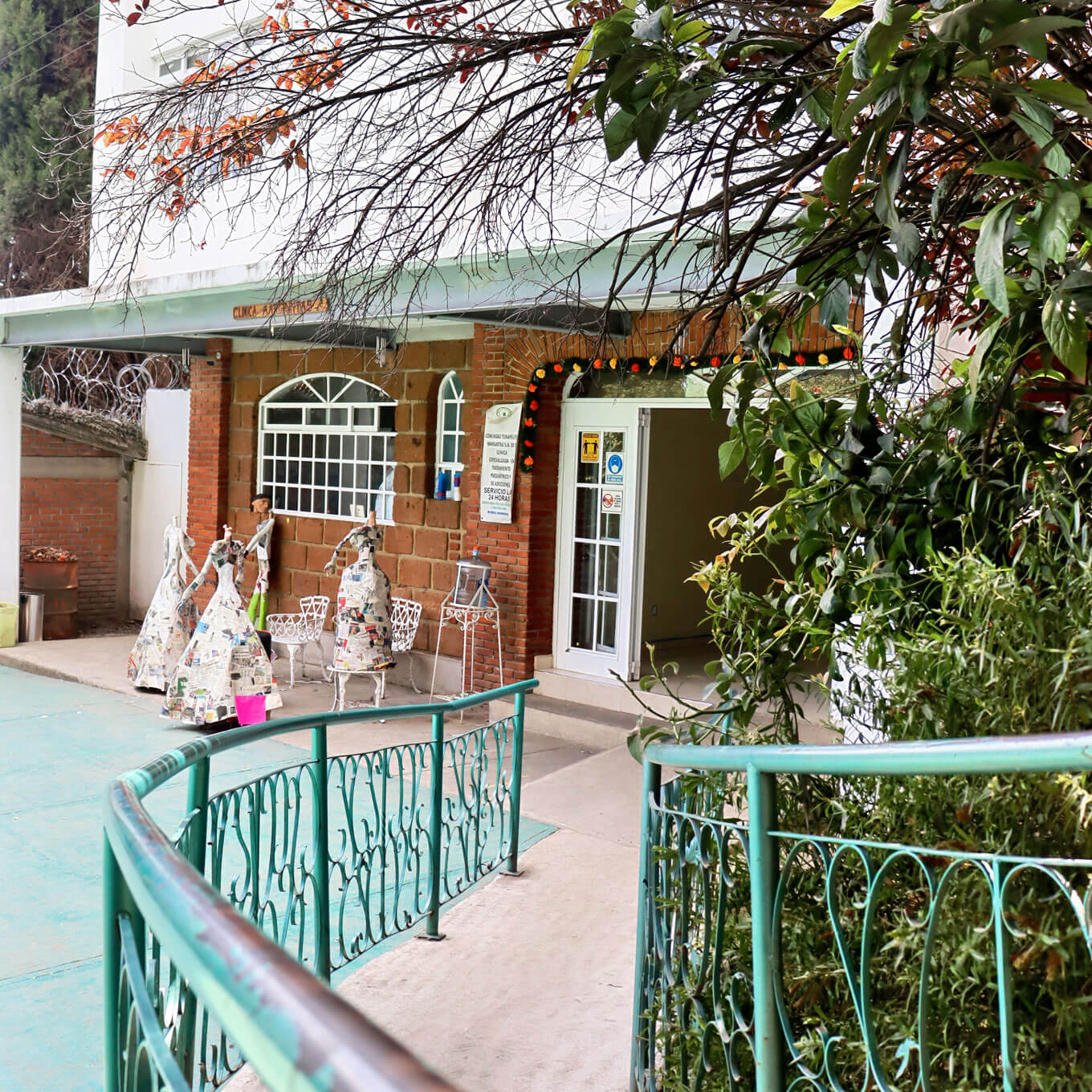


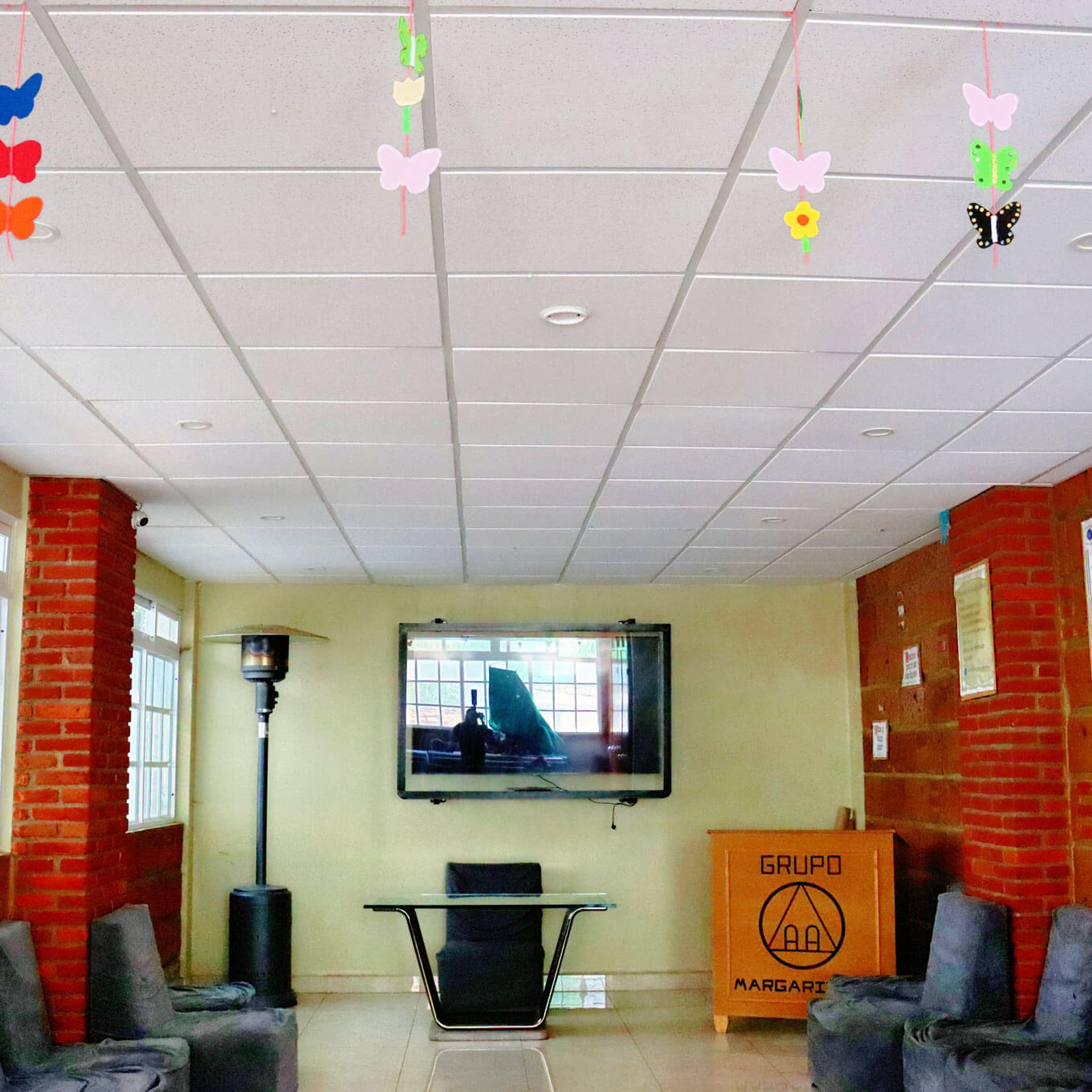

Our unique model allows patients to be in an inclusive environment, interact with society, and thrive within it. Over time, we have seen excellent results with the types of therapies and workshops we offer, which set us apart from institutions, psychiatric clinics, and other halfway houses in Mexico.

MEET OUR TEAM
Fully committed
to your mental health
Meet Margaritas Therapeutic Community
Medical Staff


Facilities
We have the best facilities in an area away from the city for the peace of mind of our patients.
- Pavilion 1
- Pavilion 2
- Sports court
- Green areas

Activities
Our therapies include a variety of activities both within and outside the community.
- Crafts and Arts Activities
- Workshops:
- Reading Workshop
- Film Discussion Workshop
- Bookbinding Workshop
-
Physical Activities:
- Movement Therapy
- Yoga
- Tai Chi
- Pilates
Treatments and Therapies
at Margaritas Therapeutic Community
Multidisciplinary Approach

Psychological Care
It focuses on guiding the patient through a health professional (psychologist).

Medical Treatment
Interconsultations with internal medicine, dentistry, neurology, gynecology etc, plus laboratory and imaging tests according to the patient's needs.

Psychological Care
It focuses on guiding the patient through a health professional (psychologist).
Medical Treatment
Interconsultations with internal medicine, dentistry, neurology, gynecology etc, plus laboratory and imaging tests according to the patient's needs.