
Psychiatric patients have specific needs according to the disorders they suffer from; therefore, highly trained personnel are required to carry out the functions appropriately.
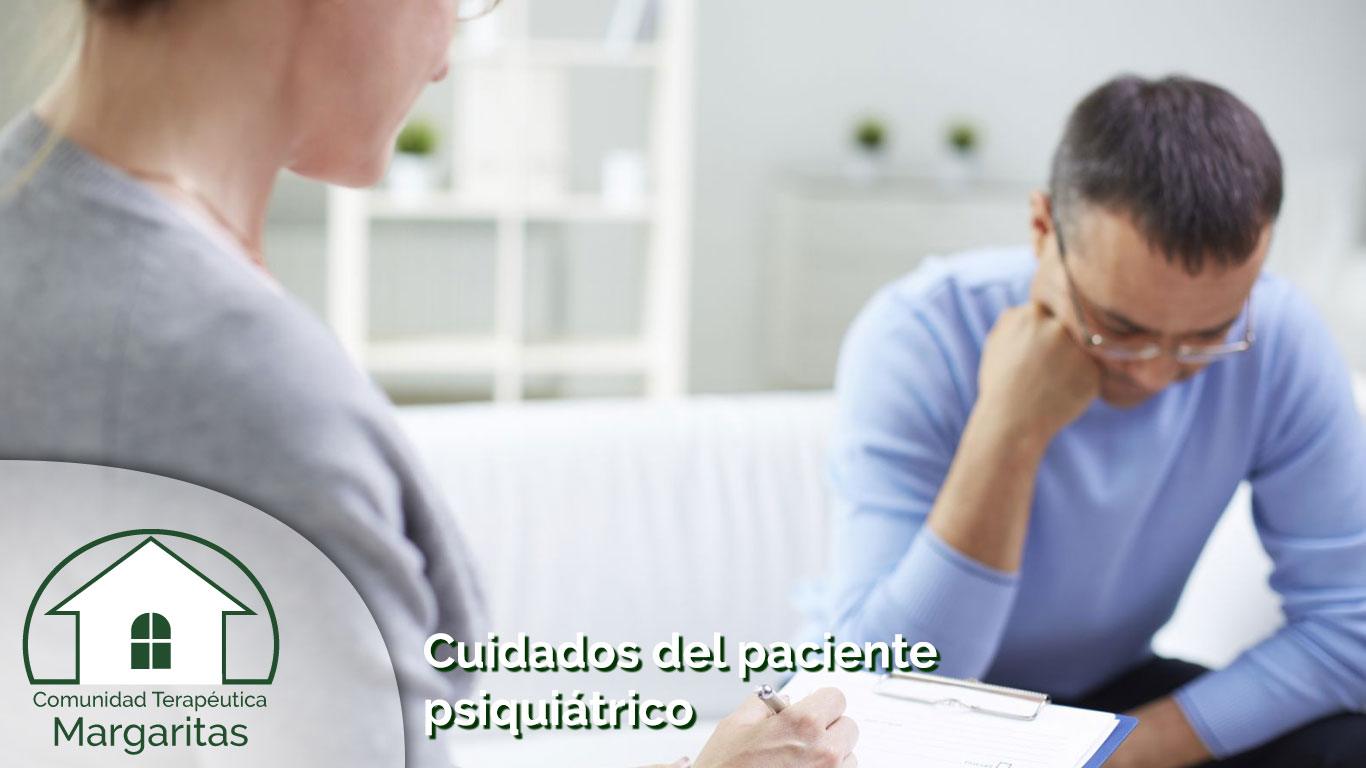
The care provided by staff varies depending on the patient's location. In a psychiatric hospital, it will be somewhat easier since the structure is designed for accessibility; some areas have ramps or easily accessible spaces for patients who need to use wheelchairs.
Care for Patients with Delirium
Patients with this type of disorder must be monitored by nursing staff:
- Ensure that the prescribed medication is administered correctly and taken by the patient, and be attentive to any side effects or complications.
- Keep them away from sharp objects.
- Protect the patient firmly but gently if they are agitated, aggressive, or excited.
- Keep an eye on the patient if they decide to wander around the facility and know their location to prevent any incidents.
- In more critical cases, the nurse is responsible for the patient's personal hygiene and providing daily meals, on schedule and according to a prescribed diet.
Care for Patients with Eating Disorders
Eating disorders are particularly important because they are mental illnesses that can be fatal. Patients with eating disorders such as bulimia or anorexia receive more specific dietary guidance and support in activities that boost their self-esteem.
The caregiver is responsible for monitoring weight according to instructions. They also help manage impulses, whether for eating or self-induced vomiting.
Staff must be aware that these patients may experience crises, anxiety, suicidal thoughts, and low self-esteem.
Can a family member care for a psychiatric patient?
It is recommended that they receive specialized care from trained professionals. However, if this is not possible and the patient can remain at home, a family member can care for them. It is essential that they are prepared and specifically informed about how to respond to risky situations, such as crises or relapses. They should also be familiar with the phone numbers and information of institutions that provide assistance in psychiatric emergencies. Family members should also seek out support groups, which are sometimes referred by the psychiatric institution itself, to receive timely information, discussions, and specific recommendations regarding their relative's illness.
There are organizations that not only provide support but also offer workshops and training for family members to equip them to care for their loved ones.
Sometimes, family members overprotect the patient. Just as trained professionals do, family members should allow as much autonomy as possible. It is necessary for the patient's caregiver to have a balanced life between their personal goals and the needs of the family member. It is common for the caregiver to suffer from overload because they do not have free time or their finances are affected, and they may even suffer from stress caused by excessive responsibilities.
Care of a Patient with Schizophrenia
Some patients with schizophrenia can live perfectly well at home, which can create some family tensions due to the challenges of family, social, work, or school life.
In addition, family members may experience stress due to the pressure of caring for the patient. However, it is important to emphasize that the family is one of the main drivers of the patient's improvement and progress.
General Care for Psychiatric Patients
Nurses caring for a psychiatric patient are obligated to treat them with respect and dignity, and the doctor-patient relationship must be confidential.
Whenever possible, the patient is allowed the greatest possible autonomy; that is, if they are able to eat, bathe, or perform other activities, they may do so freely.
When a psychiatric patient cannot follow the doctor's instructions or cannot make conscious judgments, it is the duty of the doctor and staff to inform the family about any situation related to the patient.
In general, caregivers are responsible for monitoring the patients' physical and mental state, weight, and any potential risks, as well as conducting ongoing health assessments.
At Margaritas Therapeutic Community, we have highly trained staff who provide the best possible care for psychiatric patients. We invite you to contact us for more information about the specific care each patient requires.
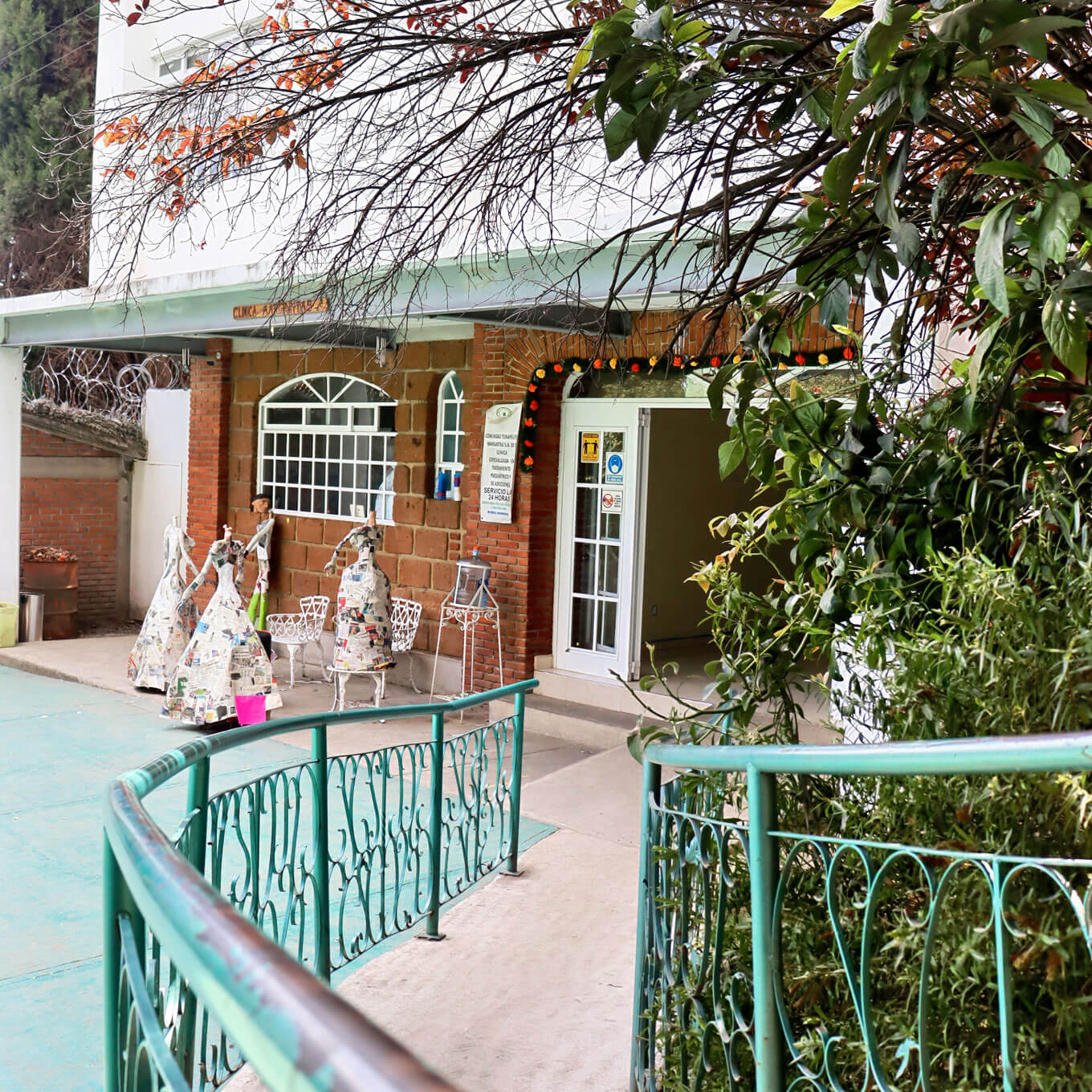


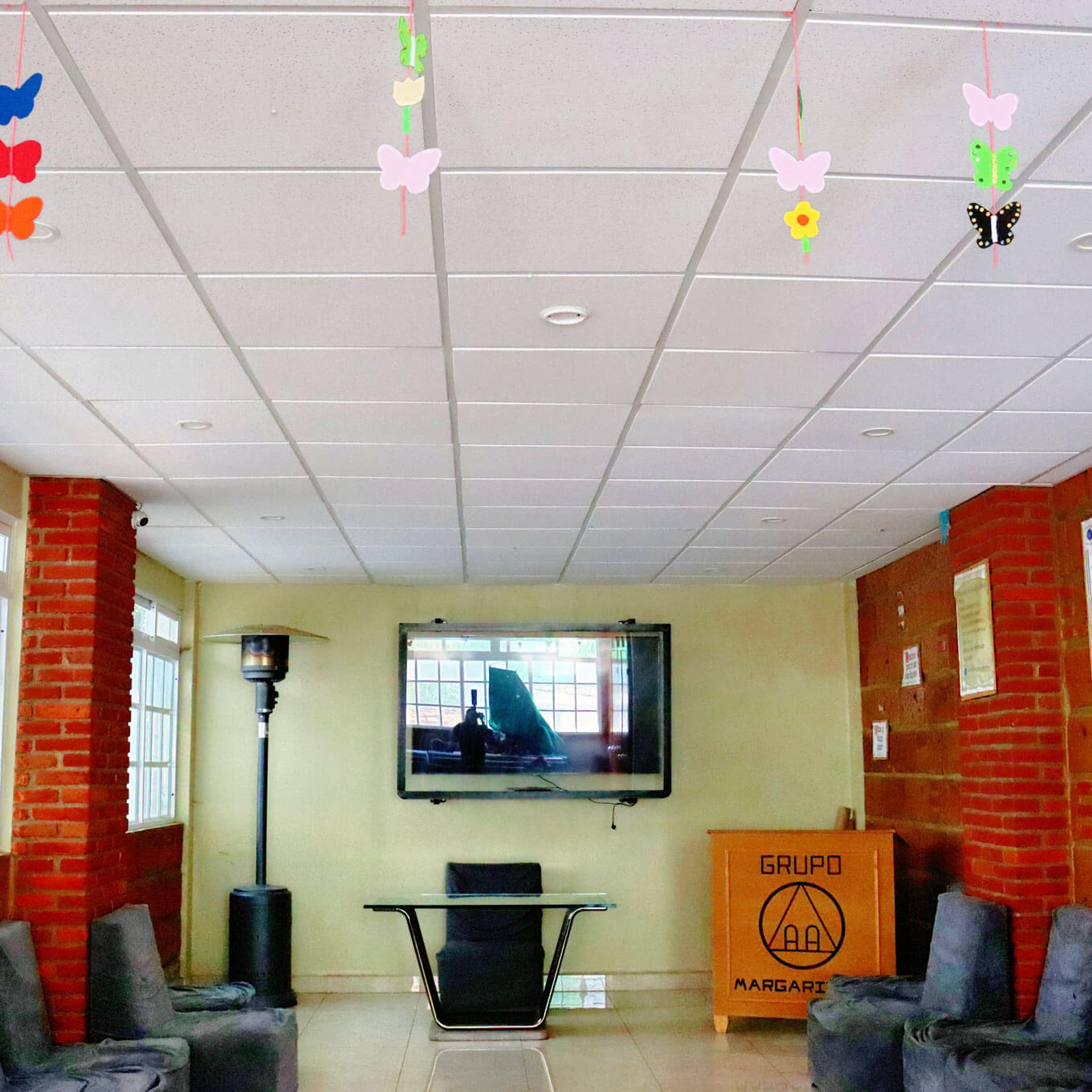

Our unique model allows patients to be in an inclusive environment, interact with society, and thrive within it. Over time, we have seen excellent results with the types of therapies and workshops we offer, which set us apart from institutions, psychiatric clinics, and other halfway houses in Mexico.

MEET OUR TEAM
Fully committed
to your mental health
Meet Margaritas Therapeutic Community
Medical Staff


Facilities
We have the best facilities in an area away from the city for the peace of mind of our patients.
- Pavilion 1
- Pavilion 2
- Sports court
- Green areas

Activities
Our therapies include a variety of activities both within and outside the community.
- Crafts and Arts Activities
- Workshops:
- Reading Workshop
- Film Discussion Workshop
- Bookbinding Workshop
-
Physical Activities:
- Movement Therapy
- Yoga
- Tai Chi
- Pilates
Treatments and Therapies
at Margaritas Therapeutic Community
Multidisciplinary Approach

Psychological Care
It focuses on guiding the patient through a health professional (psychologist).

Medical Treatment
Interconsultations with internal medicine, dentistry, neurology, gynecology etc, plus laboratory and imaging tests according to the patient's needs.

Psychological Care
It focuses on guiding the patient through a health professional (psychologist).
Medical Treatment
Interconsultations with internal medicine, dentistry, neurology, gynecology etc, plus laboratory and imaging tests according to the patient's needs.