What is depression?
Depression is one of the most common mental disorders, according to the National Survey of Psychiatric Epidemiology.
- Adults: 4.8%
- Adolescents: 7.2% (between 12 and 17 years old)
- Elderly: 6.8%
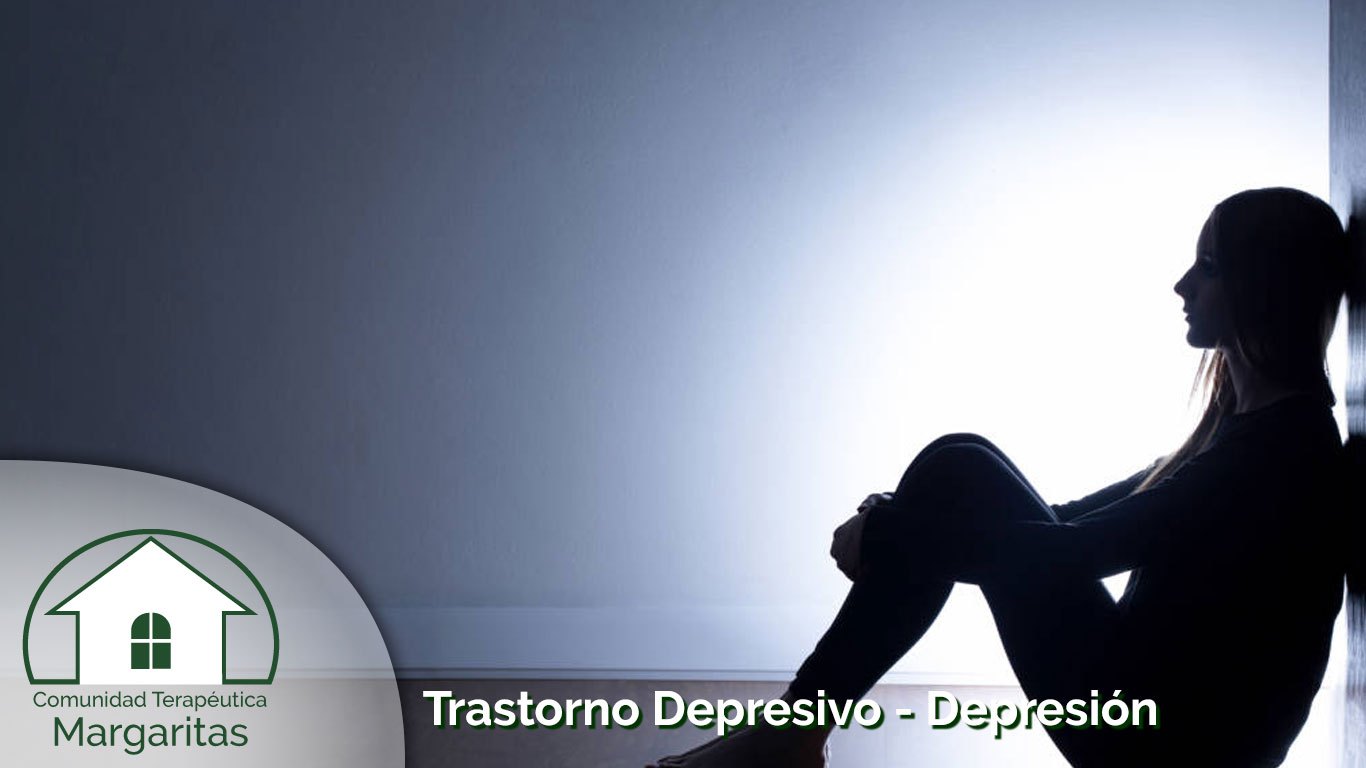
If you think you or someone else might be experiencing depression, take it seriously and seek help (this guide focuses on major depression). Depression is much more than just feeling down. When a person is sad but this feeling persists indefinitely and is accompanied by other symptoms that make it difficult to carry out their daily life, they may be suffering from depression.
What are the symptoms of depression?
Symptoms can vary from person to person:
- Difficulty with memory or concentration
- Low mood, sadness, or feelings of hopelessness
- Loss of interest in previously enjoyed activities, or little pleasure in them, most days for at least the past few weeks
- Irritability (more common in children and adolescents)
- Crying for no apparent reason
- Loss of energy
- Insomnia
- Difficulty concentrating
- Anorexia or hyperphagia (not eating or compulsive eating) in addition to weight fluctuations
- Loss of sexual interest
- Feelings of guilt
- Excessive self-criticism
- Negative thoughts
- Suicidal thoughts or thoughts of death
- Constant worries that cause anxiety
- This can lead to physical symptoms such as tremors, fever, sweating
- Rapid heartbeat, shortness of breath, fear of having a heart attack, or of imminent death.
- Depression can make even the smallest task feel like climbing a mountain.
What causes depression?
Different situations can trigger depression, sometimes for no apparent reason. Some situations that increase the risk of depression include:
- Having experienced a depressive episode in the past, a family history of depression, and the loss of family members, a partner, or friends.
- Post-traumatic stress disorder (PTSD) such as earthquakes or natural disasters, and a lack of security in the community
- Conflictive situations in the family, work, or social environment
- Certain medications
- Chronic physical illnesses
- Alcohol or other drug use (which can worsen depression)
- Women or men in the postpartum period.
- Aggression, whether physical or psychological, can generate depression with intense feelings of guilt and self-reproach.
Types of Depression
Major Depression
- Chronic Depression:
- This type of depression lasts two years or more.
- Endogenous Depression:
- This type of depression has a physical cause, such as an inability to retain serotonin.
- Reactive Depression:
- This type of depression results from a loss, death, job loss, or amputation.
Mild Depression:
This type of depression has very mild symptoms that only partially affect daily life and may improve on its own.
Moderate or Severe Depression:
This type of depression is treated with medication and psychotherapy. It is the type of depression that is debilitating or causes general impairment in patients.
What can I do if I think I have depression?
It's important to seek help as soon as possible. Contact us at Margaritas Therapeutic Community, but you can also try some of these things:
- Talk to someone you trust, whether it's your partner, a family member, or a friend.
- Talk to your doctor to get a diagnosis and discuss treatment options.
- If you're having suicidal thoughts, you can call Margaritas Therapeutic Community so a doctor can listen to you until you feel calmer and you can work together to decide what to do.
How is depression treated?
Transfer of the depressed patient
Hospitalization is carried out when the patient endangers their own life or the life of someone else, whether a family member or someone in their social circle. Often, depressed patients lack insight into their illness and therefore do not seek specialized treatment. The depression progresses and can lead to suicidal thoughts, attempts, or suicide itself. It is often only at this point that help is sought, and when the risk of death is present, the patient needs to be transferred to the Margaritas Therapeutic Community.
We offer this service, which has saved many lives, and in the best-case scenario, it is not necessary to wait until this point to implement it.
We dispatch a transfer team with an ambulance, where the patient's mental state will be assessed, although in many cases, transfers are carried out based on the treating physician's instructions.
We offer compassionate care and will carry out the treating physician's psychopharmacological prescriptions, providing the family with all the necessary instructions on how the transfer will be carried out. The required documents will be signed.
It is necessary to notify the public prosecutor's office that an involuntary hospitalization is taking place, including the diagnoses upon admission to the clinic and the reasons for it.
Group of belonging
The group of belonging is the social group to which an individual belongs. It includes family, friends, and close acquaintances, and these are the people who might be referred to, for example, as "my friends," "my parents," or "my doctor."
We recommend that the patient's family gather the family members closest to the patient, their partner, or those with whom the patient has the best bond or communication. It is important to help the patient write down the activities they will do during the day and post the instructions, as well as the medications they will take and their schedules, in a visible place. Note the days the patient will attend therapy sessions and, if applicable, who will take them.
Keep a notebook to record the day's significant information, especially if the patient has mentioned thoughts of death or suicidal ideation, and of course, if they have a plan to commit suicide.
Record their daily habits regarding food intake, diet, and fluids, as well as bowel movements (how many times they urinated and defecated).
Have the names and emergency phone numbers of the attending physician and the Margaritas Therapeutic Community available so that family members, caregivers, or therapeutic companions can be guided in case of any questions.
If possible, take vital signs daily: body temperature, pulse, respiratory rate, and blood pressure, and know the normal ranges to share with the attending physician.
Check the home to identify potential hazards such as kitchen knives or the gas stove (ideally locking the stove). Also, be aware of liquids like rat poison or inhalants such as gasoline or paint thinner. For depressed alcoholics, be careful with perfumes, belts, and ropes. In the patient's bathroom, replace the showerhead with one that breaks easily if they attempt to hang themselves. Preventing them from handling these items poses a significant risk.
The care team should consider the following points:
- It is necessary to study what depression is, its treatment, and what can be done to improve it.
- Consider yourselves part of the support and treatment team.
- Don't assume that the person with depression doesn't want to get better.
- Try to see the symptoms as part of a disorder (illness).
- Help them identify their sources of stress and find the most appropriate way to cope.
- Encourage them to be more active, but without forcing them excessively.
- Avoid criticism and reproach.
- Help them indulge in personal pleasures and satisfactions; not everything has to be about what's expected.
- Praise their progress.
- Support them in continuing with treatment.
- Take any suicidal thoughts seriously and talk to them openly about them.
- These different roles that the support group can take can be distributed among each of its members.
This disorder can appear in men and women equally and at any age, with adolescence being a stage of greater risk.
- Nausea or vomiting
- Changes in heart rate
- Hallucinations
- Seizures or tremors
- Sweating
- Anxiety
- Restlessness or agitation
- Depression
- Confusion
- Dilated pupils
- Loss of control (inability to stop drinking)
- Irritability
- Headache
- Loss of appetite
- Temporary memory loss after drinking
- Tolerance: the need to drink increasingly larger amounts to feel the same effect
Occupational Therapy
In recent discoveries for the treatment of depression, cardiovascular exercise is of utmost importance. Thirty to forty-five minutes of daily exercise on a treadmill or running outdoors is recommended, as are activities such as yoga, movement therapy, or any activity that increases heart rate.
Activities that involve interaction with others, such as board games, or artistic pursuits like singing or playing a musical instrument, are also beneficial.
Manual activities are important, as is film screenings and discussions where participants can share their opinions about a film or play. These activities can take place at the Margaritas Therapeutic Community or at home with their caregivers or support group.
Organized outings are also beneficial for social interaction, such as going out for a drink at a restaurant or attending cultural events like movies or theater.
Reading the newspaper provides a connection to reality, but it's important to avoid news about murders, wars, or catastrophic events.
Psychotherapies
Cognitive behavioral therapy, interpersonal psychodynamic psychoanalytic therapy, couples therapy, or heterogeneous group therapy are indicated.
Cognitive behavioral therapy focuses on modifying the negative thought patterns and behaviors that contribute to triggering and maintaining depression. People with moderate or severe depression typically require 16 to 20 sessions over several months, although this will depend on the patient's individual characteristics.
Psychodynamic therapies should be brief and have limited objectives. Their aim is to identify the unconscious elements that are determining the depression. This is especially common in cases of loss that generate complicated grief, which people often haven't recognized. By bringing these elements to conscious awareness, ambivalent feelings toward lost family members or partners can be addressed.
Couples therapy
It is very important that the partner understands what depression is and its causes so as not to reinforce them with their attitude or behavior. In this way, they can form a therapeutic support partnership rather than a contributor to the depression.
Drug Therapy
The main medications used to treat depression are called antidepressants. These work by increasing brain activity and the levels of certain chemicals called neurotransmitters, which help improve mood.
There are several types of antidepressants. If you have information about antidepressants, you can consult with a specialist to see which ones gave you the best results.
It's important to keep in mind that antidepressants are not addictive, and you don't need to increase the dose to feel the same effects over time.
Most treatments take some time to show results, on average 20 days to a month.
Your doctor can inform you about the side effects that can occur with antidepressants. Although they are not addictive, when you stop taking them, you may experience reactions such as nausea, dizziness, anxiety, and headaches. These are usually mild, but sometimes the reactions are more intense.
In the case of the suicidal patient, an antipsychotic must be added to the antidepressant, which can be separate or in the same formula, such as Symbyax, which combines Fluoxetine with Olanzapine.





Our unique model allows patients to be in an inclusive environment, interact with society, and thrive within it. Over time, we have seen excellent results with the types of therapies and workshops we offer, which set us apart from institutions, psychiatric clinics, and other halfway houses in Mexico.

MEET OUR TEAM
Fully committed
to your mental health
Meet Margaritas Therapeutic Community
Medical Staff


Facilities
We have the best facilities in an area away from the city for the peace of mind of our patients.
- Pavilion 1
- Pavilion 2
- Sports court
- Green areas

Activities
Our therapies include a variety of activities both within and outside the community.
- Crafts and Arts Activities
- Workshops:
- Reading Workshop
- Film Discussion Workshop
- Bookbinding Workshop
-
Physical Activities:
- Movement Therapy
- Yoga
- Tai Chi
- Pilates
Treatments and Therapies
at Margaritas Therapeutic Community
Multidisciplinary Approach

Psychological Care
It focuses on guiding the patient through a health professional (psychologist).

Medical Treatment
Interconsultations with internal medicine, dentistry, neurology, gynecology etc, plus laboratory and imaging tests according to the patient's needs.

Psychological Care
It focuses on guiding the patient through a health professional (psychologist).
Medical Treatment
Interconsultations with internal medicine, dentistry, neurology, gynecology etc, plus laboratory and imaging tests according to the patient's needs.