It occurs due to a traumatic brain injury or substance abuse, leaving permanent damage to the brain.
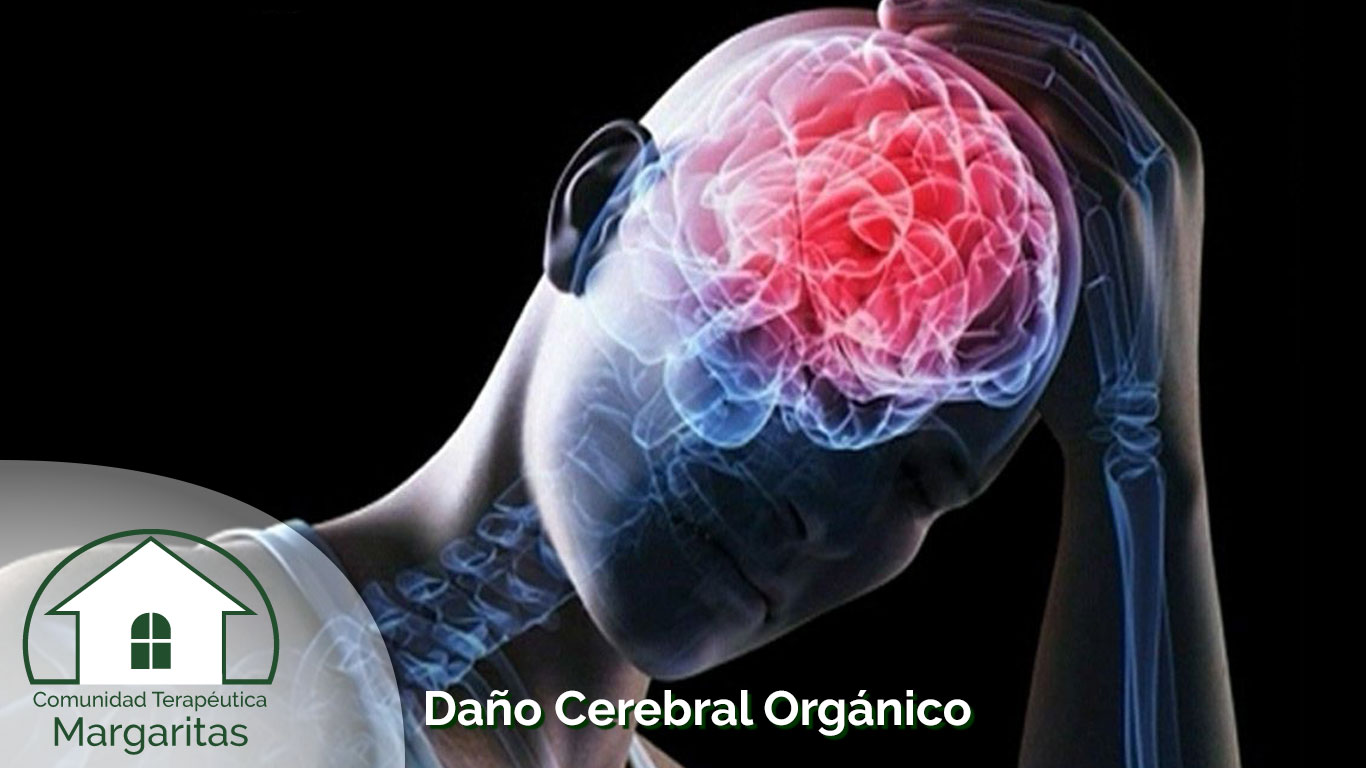
A brain injury occurs after an accident in which the head suffers a blow, violent impact, or jolt, causing damage to one or more regions of the brain. This commonly happens in car or sports accidents. The injury can vary in severity, but a severe impact requires immediate hospital attention and can be fatal.
Brain injuries are classified into two types:
- Penetrating injuries:
- These occur when a foreign object (bullets, pipes, etc.) comes into contact with the brain, causing damage to various areas.
- Closed head injuries:
- These occur when the head receives a blow without any object directly penetrating the brain.
- Primary brain injury:
- This is the immediate damage following the blow. It can include skull fractures, lacerations, nerve damage, hematomas or blood clots, and contusions.
- Secondary brain injury:
- This is the damage that remains after the blow, such as brain swelling, fever, hematomas, anemia, changes in blood pressure, epilepsy, and increased intracranial pressure.
What are the causes of a Traumatic Brain Injury?
- Concussion:
- This is caused by a fall or blow that jolts the brain.
- Intracranial hematoma:
- This is bleeding inside the skull. Blood accumulates and puts pressure on the brain due to clotted blood between the brain and the skull.
- Skull fracture:
- This is a crack in the skull that can tear and damage the brain, also causing bleeding.
What are the symptoms of a traumatic brain injury?
In milder cases, symptoms may appear a few days after the blow and are known as a concussion, which may include:
- Headache
- Neck pain
- Nausea
- Fatigue
- Tiredness
- Drowsiness
- Dizziness or ringing in the ears
- Trouble sleeping
- Momentary loss of consciousness
- Sensitivity to light or sound
- Unpleasant taste in the mouth
- Memory problems or difficulty concentrating
Some cases may present with temporary symptoms; however, it is always important to see a doctor.
Moderate to severe brain injuries present with:
- Seizures
- Seizures
- Loss of consciousness
- Drainage of clear fluid from the nose or ears
- Difficulty waking up
- Coordination problems or loss of coordination
- Persistent vomiting or nausea
- Persistent headache, which may worsen or persist
- Tissue lacerations
- Slurred speech or slurred speech
- Disorientation
- Aggression or abnormal behavior
- Dilated pupils
- Vertigo
- Numbness or weakness in arms and legs
What are the consequences of a Traumatic Brain Injury?
Many physical problems can appear after an injury, such as headaches, seizures, vomiting or nausea, tinnitus (ringing in the ears), loss of vision or hearing, decreased sense of sight, hearing, taste, or smell, problems with body coordination, infections, paralysis or loss of sensation in the face, difficulty concentrating, and problems with memory, learning, attention, or reasoning. Another common consequence is language or communication difficulties, such as trouble understanding spoken or written words, problems speaking or writing, and difficulty continuing a conversation.
In the most severe cases, an injury can cause:
- Coma:
- When a person is completely unconscious.
- Vegetative state:
- The person can open their eyes, but is unable to move, make sounds, or have reflexes; this can be temporary or permanent.
- Brain death:
- There is no brain activity, so the brain cannot perform vital functions.
Research has shown that individuals with traumatic brain injuries may have a higher risk of developing degenerative brain diseases such as Alzheimer's, Parkinson's, or dementia pugilistica.
This disorder can affect men and women equally and at any age, with adolescence being a period of higher risk.
What should I do if a family member or friend has suffered a traumatic brain injury?
Immediate medical attention is necessary. Sometimes, brain injuries require care and rest; however, more severe cases require hospitalization and, occasionally, surgery. Care and medication instructions should be provided exclusively by specialized personnel.
Rehabilitation is commonly necessary after a brain injury, always as recommended by a doctor. In the most severe cases, it may be required to relearn how to walk, talk, or eat. The goal of therapy is to improve quality of life. It is essential to consult with medical personnel about the possible consequences and prognosis.
Therapy is multidisciplinary and varies for each case, as it must assess the severity, consequences, the affected area, and the patient's stage of recovery. Physical therapy, group therapy, and speech therapy may be combined.
For someone who has suffered a traumatic brain injury, the support of family and friends is crucial because it can have permanent consequences even with therapy.
A traumatic brain injury cannot be prevented; however, it is always important to be aware of the risks and know the preventive measures when engaging in activities such as driving, extreme sports, wearing a helmet when riding motorcycles or bicycles, and, in the case of young children, being careful to prevent falls.
We invite you to contact the Margaritas Therapeutic Community to learn about the different types of therapy available for traumatic brain injury.
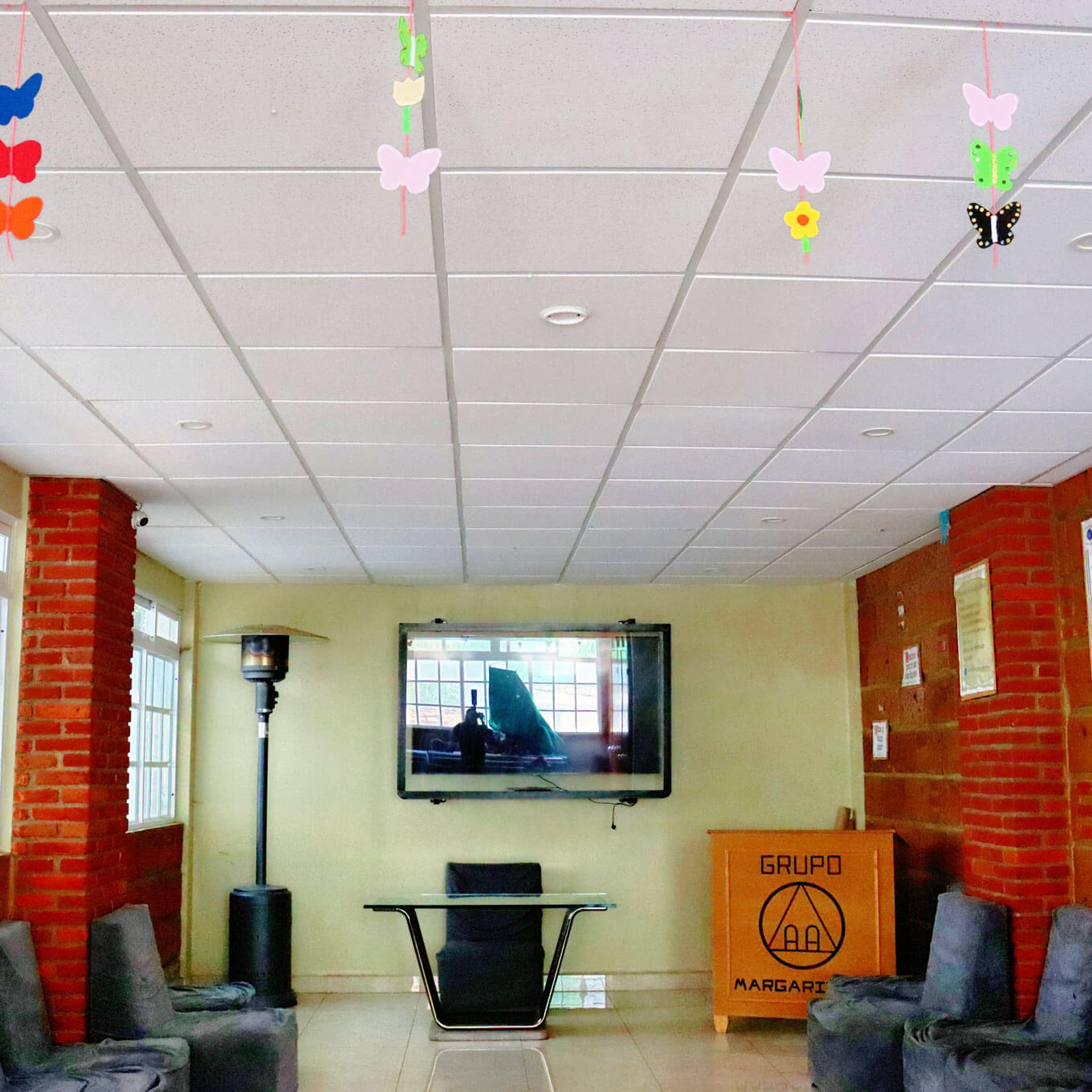




Our unique model allows patients to be in an inclusive environment, interact with society, and thrive within it. Over time, we have seen excellent results with the types of therapies and workshops we offer, which set us apart from institutions, psychiatric clinics, and other halfway houses in Mexico.

MEET OUR TEAM
Fully committed
to your mental health
Meet Margaritas Therapeutic Community
Medical Staff


Facilities
We have the best facilities in an area away from the city for the peace of mind of our patients.
- Pavilion 1
- Pavilion 2
- Sports court
- Green areas

Activities
Our therapies include a variety of activities both within and outside the community.
- Crafts and Arts Activities
- Workshops:
- Reading Workshop
- Film Discussion Workshop
- Bookbinding Workshop
-
Physical Activities:
- Movement Therapy
- Yoga
- Tai Chi
- Pilates
Treatments and Therapies
at Margaritas Therapeutic Community
Multidisciplinary Approach

Psychological Care
It focuses on guiding the patient through a health professional (psychologist).

Medical Treatment
Interconsultations with internal medicine, dentistry, neurology, gynecology etc, plus laboratory and imaging tests according to the patient's needs.

Psychological Care
It focuses on guiding the patient through a health professional (psychologist).
Medical Treatment
Interconsultations with internal medicine, dentistry, neurology, gynecology etc, plus laboratory and imaging tests according to the patient's needs.