
Sleep disorders are not considered a serious illness; however, they should be treated because they have consequences that disrupt the daily life of the person who suffers from them, causing exhaustion, poor performance, lack of energy, or daytime sleepiness. We share important information about the most common disorders.
Restless Legs Syndrome
Its origin is neurological, and it is a chronic disorder in which the person experiences discomfort in their legs while at rest, whether lying down or sitting. The discomfort is so intense that they feel the need to move, walk, or get up because movement reduces the discomfort.
It can affect men or women and people of any age, and there is also a familial predisposition.
It is characterized by:
- An excessive urge to move the legs or arms.
- Discomfort in the limbs (or a tingling sensation) that is relieved or seems to lessen only with movement.
- In the late afternoon or evening, the discomfort worsens to the point of interfering with sleep.
- Difficulty falling or staying asleep.
Symptoms may appear only a few days a week or may even disappear, but they worsen over time.
The cause may be related to the malfunction of dopamine, which is responsible for regulating movement.
It is important to treat this condition because it affects the quality of sleep, which can lead to poor performance in daily activities due to drowsiness. Anxiety may also occur.
Sleepwalking
This disorder occurs while the person is asleep, as they walk or perform other activities even while asleep. In most cases, it is hereditary and more common in children than in adults.
Possible causes of sleepwalking include lack of sleep, anxiety, or fatigue. In adults, it can also be caused by alcohol, certain medications, or mental health disorders.
It is characterized by:
- The person is disoriented upon waking.
- They are aggressive if someone wakes them.
- They perform an activity or walk while asleep.
- They talk in their sleep.
- They have a blank expression.
- They open their eyes while asleep.
- They do not remember doing anything while asleep.
- It may be accompanied by night terrors.
- It is difficult to wake the person from an episode of sleepwalking.
It is important to treat it because it can lead to extreme behaviors that can harm the well-being of the person experiencing sleepwalking.
Night Terrors
A night terror is an episode accompanied by fear, agitation, or screaming while the person is still asleep. It typically occurs 2-3 hours after falling asleep, causing the person, or commonly children, to become agitated and frightened during this deepest stage of sleep.
It can last from a few seconds to several minutes. It can also occur alongside sleepwalking.
It's important to distinguish between a nightmare and a night terror. In nightmares, upon waking, people may remember some details of the dream, while in night terrors, the fear or screaming occurs while still asleep, and upon waking, the person generally remembers nothing.
It is characterized by:
- Screaming or startling
- Sweating, rapid breathing, or an accelerated pulse
- Kicking
- Sometimes sitting up in bed
- Difficulty waking the person up
Insomnia
Insomnia is one of the most common sleep disorders. It is characterized by difficulty falling asleep or staying asleep, so people who suffer from it often sleep for short periods and experience poor sleep quality.
Some symptoms include:
- Waking up for a long time before falling asleep
- Waking up early
- Waking up during the night
- Feeling tired and sleepy in the afternoonSleeping poorly and feeling tired upon waking
- Being awake for much of the night
It is important to treat insomnia because poor sleep quality can affect daily activities due to lack of energy, difficulty concentrating, and a feeling of fatigue throughout the day.
Hypersomnia
The person who suffers from this condition experiences excessive daytime sleepiness (excessive sleepiness) and has great difficulty waking up or staying awake.
Some symptoms include:
- Taking naps that do not reduce sleepiness
- Difficulty waking up from a long sleep
- Feeling confused after waking up
- Sleeping 14 to 18 hours per day
- Irritability
- Lack of energy, fatigue, or tiredness
- Poor concentration and memory
- Nodding off while performing other activities
Some of its causes can be depression, the use of certain medications, alcohol, or drugs.
Narcolepsy
Its origin is neurological, and it is characterized by excessive daytime sleepiness. Those who suffer from it have difficulty staying awake for extended periods.
Some symptoms include:
- Falling asleep for no apparent reason, anywhere and at any time of day
- Lack of alertness
- Episodes of cataplexy, loss of muscle tone, and slurred speech or muscle weakness may occur, lasting from a few seconds to several minutes
- Sleep paralysis
- Hallucinations
- If someone falls asleep while performing an activity, they may continue it, but upon waking, they likely will not remember it.
It must be treated because it affects daily activities and can be accompanied by other sleep disorders.
Sleep Apnea
Symptoms include:
- Very loud snoring shortly after falling asleep.
- The snoring stops for a while, and breathing also stops.
- After breathing stops, gasping occurs as the person tries to breathe.
The characteristic is that it occurs throughout the night.
Other symptoms include:
- Irritability
- Fatigue or lack of energy
- Daytime sleepiness
- Headaches
It should be treated because it can cause or worsen other illnesses, especially cardiovascular ones.
What should I do if I think I have a sleep disorder?
As we mentioned, these disorders can affect people's lives and their ability to perform daily activities. It's important to consult a specialist who will find the best treatment for your specific problem. Margaritas Therapeutic Community can help you with your treatment so you can improve the quality of your sleep and your daily life.
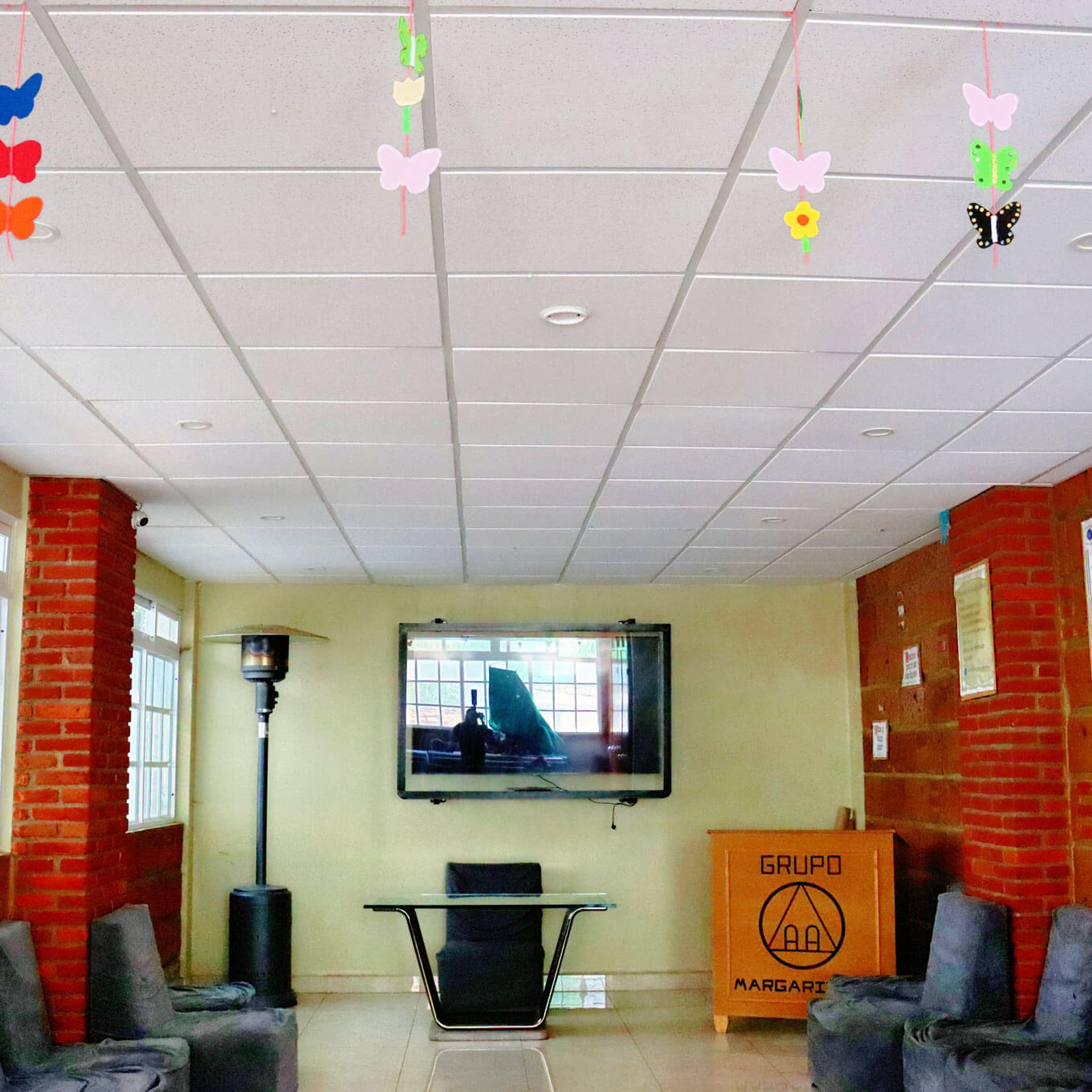




Our unique model allows patients to be in an inclusive environment, interact with society, and thrive within it. Over time, we have seen excellent results with the types of therapies and workshops we offer, which set us apart from institutions, psychiatric clinics, and other halfway houses in Mexico.

MEET OUR TEAM
Fully committed
to your mental health
Meet Margaritas Therapeutic Community
Medical Staff


Facilities
We have the best facilities in an area away from the city for the peace of mind of our patients.
- Pavilion 1
- Pavilion 2
- Sports court
- Green areas

Activities
Our therapies include a variety of activities both within and outside the community.
- Crafts and Arts Activities
- Workshops:
- Reading Workshop
- Film Discussion Workshop
- Bookbinding Workshop
-
Physical Activities:
- Movement Therapy
- Yoga
- Tai Chi
- Pilates
Treatments and Therapies
at Margaritas Therapeutic Community
Multidisciplinary Approach

Psychological Care
It focuses on guiding the patient through a health professional (psychologist).

Medical Treatment
Interconsultations with internal medicine, dentistry, neurology, gynecology etc, plus laboratory and imaging tests according to the patient's needs.

Psychological Care
It focuses on guiding the patient through a health professional (psychologist).
Medical Treatment
Interconsultations with internal medicine, dentistry, neurology, gynecology etc, plus laboratory and imaging tests according to the patient's needs.