

-

-
Psychological Addictions
Struggles with internet use, shopping or work may feel under control. These behaviors can serve as coping in the moment but take a toll on mood, sleep, relationships and daily functioning.

-
Delirium
Loss of touch with reality that may last hours or days. Generally reversible if addressed on time taking into account the underlying disorder or cause that triggered it.

-
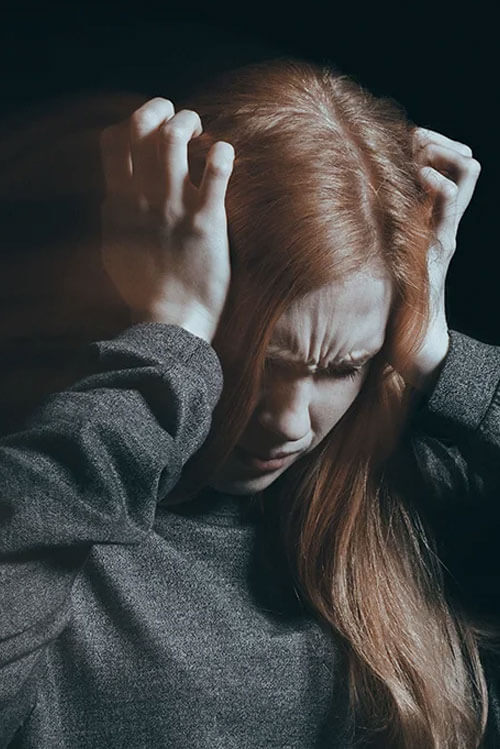
Schizophrenia
Struggling with symptoms of Schizophrenia or another mental health challenge? Our clinic offers compassionate, evidence-based Schizophrenia treatment tailored to you.
-
Dementia
Some types of dementia are progressive, meaning symptoms may begin very mildly, worsen over time, and in most cases are irreversible.

-
Sleep Disorders
While not considered a serious illness, should be treated because they have consequences that disrupt the daily life of the person who suffers from them.

-

-
Addictions
Learn about how chemical substances, (alcohol and psychoactive substances) affect the brain and behavior, and why psychological factors can contribute to dependence.

-
Depressive Disorder
According to the National Survey of Psychiatric Epidemiology affects:
Adults: 4.8%
Teenagers: 7.2% (12 y 17 yo)
Elders: 6.8%
-
Psychoactive Substances
Facing challenges with alcohol or other psychoactive substances? You’re not alone. We understand how addictions can impact mental health, daily life and relationships.

-
Chemical Substances
Struggling with addictions to chemical substances? At our clinic, we understand that alcohol and other psychoactive substances can change how you feel, think, and act. You’re not alone, and help is available.

-
Binge Eating Disorder
Characterized by recurring episodes of eating amounts of food clearly larger than what most people would eat, accompanied by a sense of lack of control and followed by distress, guilt or shame.

-
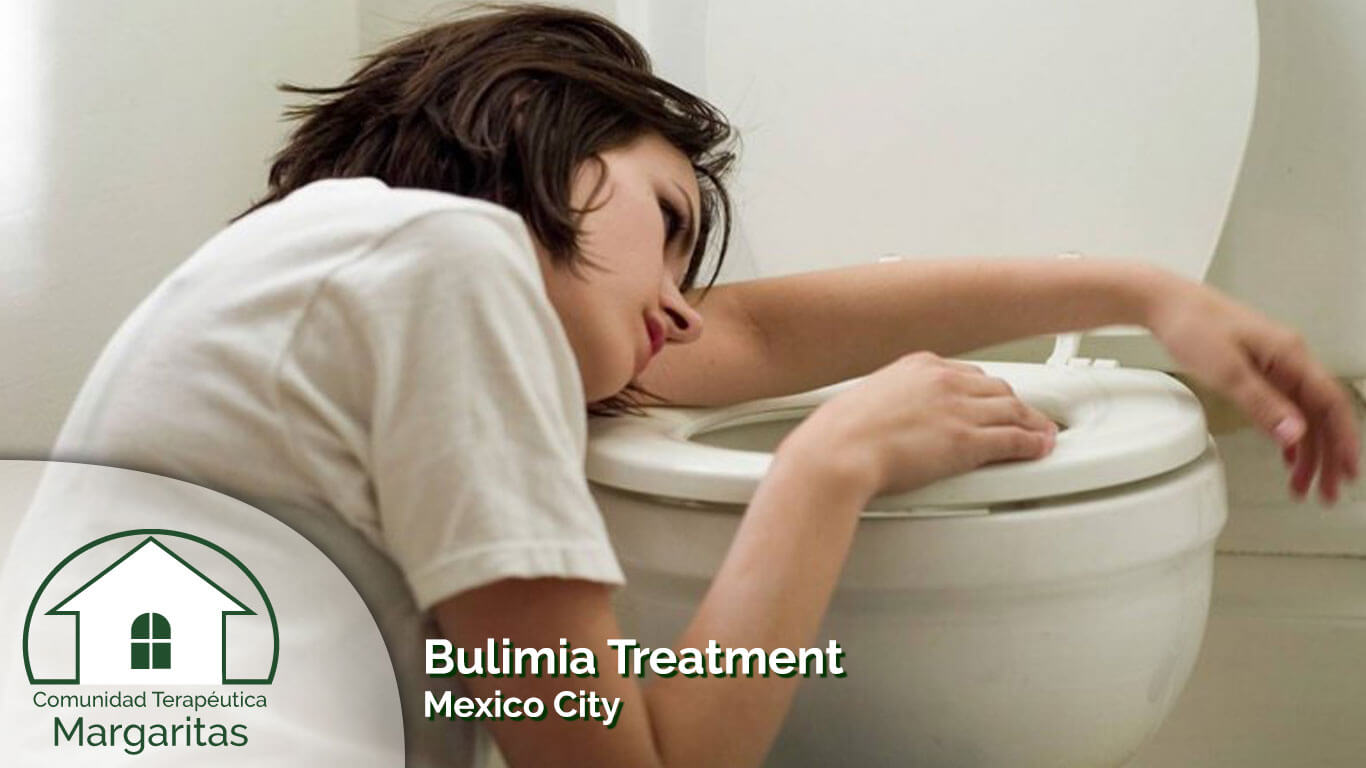
Bulimia
Eating disorder characterized by the compulsive consumption of excessive amounts of food, followed by intense physical exercise, eating healthy foods, or self-induced vomiting.

-
Autism
Neurological condition that begins in childhood, mostly affecting males and lasts a lifetime. Affects behavior, social interaction, communication and learning.

-
Eating Disorders
We offer confidential assessments, evidence-based therapy, and nutrition support for anorexia, bulimia, and binge eating. Compassionate care, tailored to teens and adults, to help you on the path to recovery.

-
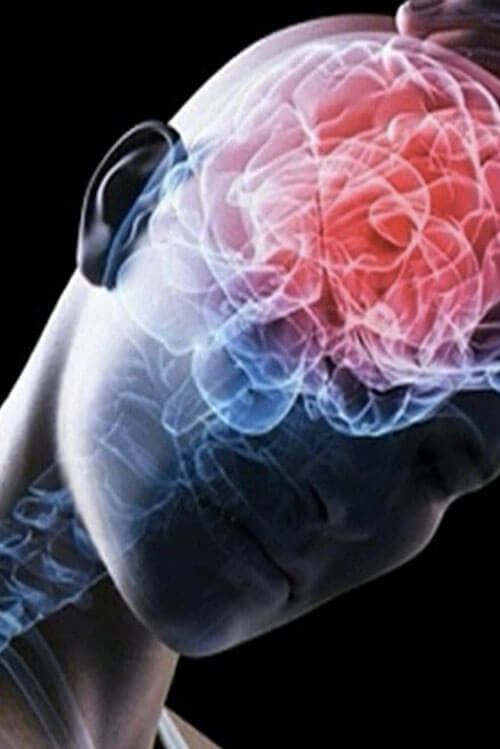
Traumatic Brain Injury (TBI)
Occurs after an accident in which the head suffers a blow, violent impact, or jolt, causing damage to one or more regions of the brain.
-
Anorexia
It is an eating disorder characterized by excessive weight loss caused by the patient themselves. It occurs primarily or most frequently in adolescent girls, although cases exist in men and at different ages.

-
Psychiatric Disorders
Discover clarity and relief facing challenges like Schizophrenia, Bipolar Disorder or Sleep Disorders, you’re not alone help is available.

-
Alcohol
The vast majority of people usually consume alcohol at parties or gatherings, even occasionally without any celebration, however, it is considered a disorder when there is a dependence on alcohol.

-
Bipolar Disorder
Characterized by an altered mood, ranging from elation, heightened energy, euphoria and surge of vitality to reduction of mood and activity leading to depression.

Addictions
Learn about how chemical substances, (alcohol and psychoactive substances) affect the brain and behavior, and why psychological factors can contribute to dependence.
Chemical Substances
Struggling with addictions to chemical substances? At our clinic, we understand that alcohol and other psychoactive substances can change how you feel, think, and act. You’re not alone, and help is available.
Alcohol
The vast majority of people usually consume alcohol at parties or gatherings, even occasionally without any celebration, however, it is considered a disorder when there is a dependence on alcohol.
Psychoactive Substances
Facing challenges with alcohol or other psychoactive substances? You’re not alone. We understand how addictions can impact mental health, daily life and relationships.
Psychological Addictions
Struggles with internet use, shopping or work may feel under control. These behaviors can serve as coping in the moment but take a toll on mood, sleep, relationships and daily functioning.
Eating Disorders
We offer confidential assessments, evidence-based therapy, and nutrition support for anorexia, bulimia, and binge eating. Compassionate care, tailored to teens and adults, to help you on the path to recovery.
Anorexia
It is an eating disorder characterized by excessive weight loss caused by the patient themselves. It occurs primarily or most frequently in adolescent girls, although cases exist in men and at different ages.
Bulimia
Eating disorder characterized by the compulsive consumption of excessive amounts of food, followed by intense physical exercise, eating healthy foods, or self-induced vomiting.
Binge Eating Disorder
Characterized by recurring episodes of eating amounts of food clearly larger than what most people would eat, accompanied by a sense of lack of control and followed by distress, guilt or shame.
Traumatic Brain Injury (TBI)
Occurs after an accident in which the head suffers a blow, violent impact, or jolt, causing damage to one or more regions of the brain.
Dementia
Some types of dementia are progressive, meaning symptoms may begin very mildly, worsen over time, and in most cases are irreversible.
Autism
Neurological condition that begins in childhood, mostly affecting males and lasts a lifetime. Affects behavior, social interaction, communication and learning.
Delirium
Loss of touch with reality that may last hours or days. Generally reversible if addressed on time taking into account the underlying disorder or cause that triggered it.
Depressive Disorder
According to the National Survey of Psychiatric Epidemiology affects:
Adults: 4.8%
Teenagers: 7.2% (12 y 17 yo)
Elders: 6.8%
Psychiatric Disorders
Discover clarity and relief facing challenges like Schizophrenia, Bipolar Disorder or Sleep Disorders, you’re not alone help is available.
Schizophrenia
Struggling with symptoms of Schizophrenia or another mental health challenge? Our clinic offers compassionate, evidence-based Schizophrenia treatment tailored to you.
Bipolar Disorder
Characterized by an altered mood, ranging from elation, heightened energy, euphoria and surge of vitality to reduction of mood and activity leading to depression.
Sleep Disorders
While not considered a serious illness, should be treated because they have consequences that disrupt the daily life of the person who suffers from them.
-
-
Bulimia
This is an eating disorder characterized by compulsive overeating, known as binge eating episodes. These episodes occur repeatedly, and the person experiencing them has no control over the amount of food they consume, usually doing so in secret. Once the episode has passed, they try to compensate for everything they have eaten through intense exercise, eating healthy foods, or self-induced vomiting due to fear of gaining weight. It commonly affects adolescent or young adult women, although cases in men do exist.
-
Anorexia
It is an eating disorder characterized by excessive weight loss caused by the patient themselves. It occurs primarily or most frequently in adolescent girls, although cases exist in men and at different ages. The causes can be multiple, but there is no single specific cause; there are some sociocultural and psychological risk factors that influence its development.
-
Psychiatric Disorders
Discover clarity and relief with compassionate care for Psychiatric Disorders. If you or a loved one are facing challenges like Schizophrenia, Bipolar Disorder, or Sleep Disorders, you’re not alone—help is available.
-
Neurocognitive Disorders
If you or a loved one notice memory changes, confusion, or mood shifts, you’re not alone. Our compassionate team offers supportive resources, coping strategies, and confidential guidance. Learn about early signs, personalized care plans, and local resources.
-
Bipolar Disorder
It is characterized by an altered mood, ranging from elation, heightened energy, activity, euphoria, and a surge of vitality—a state known as mania—to depression, where mood is reduced, activity is inactive, or depression occurs. Those experiencing it feel out of control over their emotions, and it can affect men and women equally.
-
Delirium
It appears suddenly and lasts for hours or days. The person experiencing it may lose touch with reality, and it is generally reversible, but it must be addressed quickly, taking into account the underlying disorder or cause that triggered it.
-
Schizophrenia
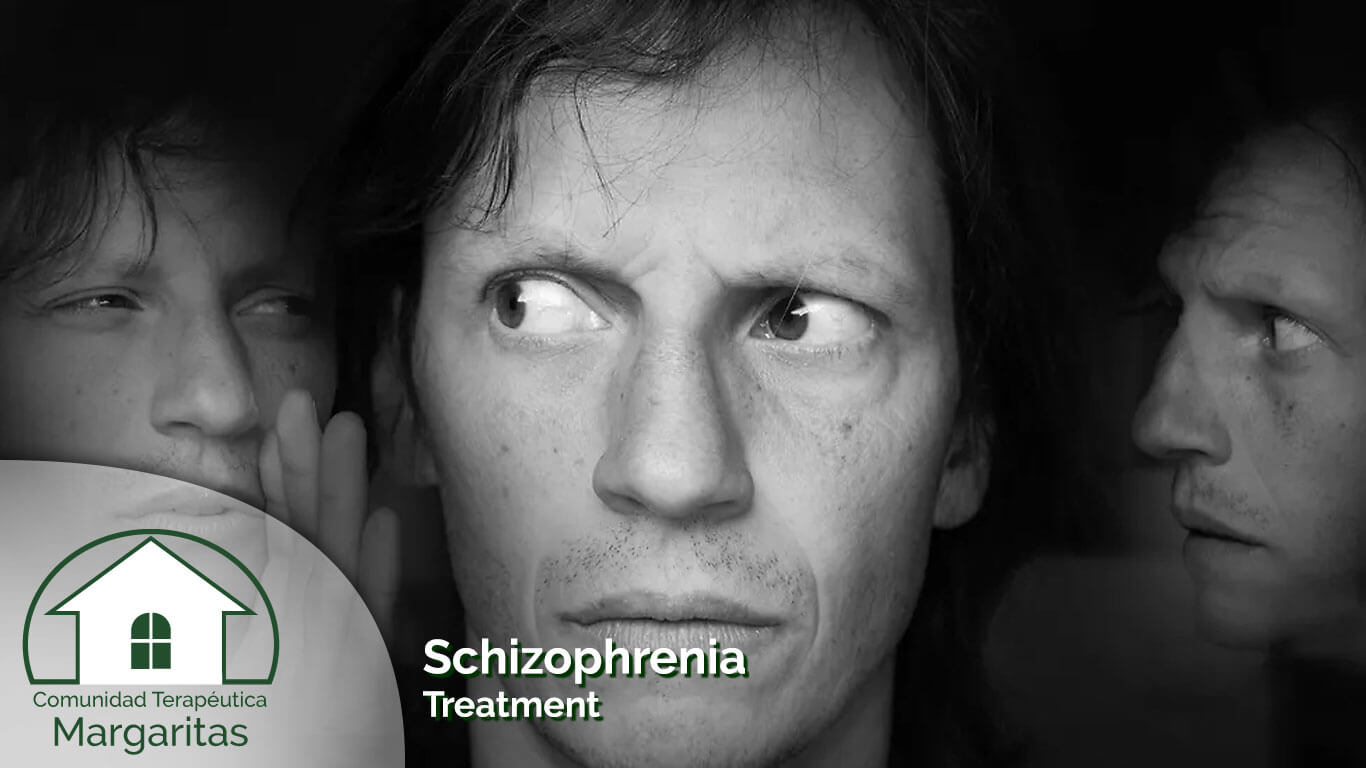
Struggling with symptoms of Schizophrenia or another mental health challenge? Our clinic offers compassionate, evidence-based Schizophrenia treatment tailored to you. We focus on medication management, psychotherapy, and practical strategies to improve daily functioning and quality of life.
-
Eating Disorders
If you’re struggling, you’re not alone. We offer confidential assessments, evidence-based therapy, and nutrition support for anorexia, bulimia, and binge eating. Compassionate care, tailored to teens and adults, to help you on the path to recovery.
-
Dementia
Some types of dementia are progressive, meaning symptoms may begin very mildly, worsen over time, and in most cases are irreversible. It can occur at any stage of life; however, it is characteristic of older adults. Care must be taken in diagnosis because it is similar to delirium.
-
Binge Eating Disorder
A binge eater consumes large quantities of food in a very short time; these episodes are considered binges and occur frequently. They are usually overweight, although this is not always the case. After a binge, they feel guilt or shame about the large amount of food they have eaten, but unlike bulimia, they do not purge, induce vomiting, fast for extended periods, or exercise excessively.
-
Addictions
Learn about addictions and mental health: how chemical substances, alcohol, and psychoactive substances impact thoughts and behavior, with paths to recovery from psychological substances. We help patients understand how chemical substances, including alcohol and other psychoactive substances, affect the brain and behavior, and why psychological factors can contribute to dependence.
-
Drugs
(Psychoactive Substances)Facing challenges with alcohol or other psychoactive substances? You’re not alone. At Margaritas Therapeutic Community, we understand how addictions can impact mental health, daily life, and relationships. Our compassionate team offers confidential assessments, personalized treatment plans, and evidence-based therapies to support recovery and well-being.
-
Autism
It is a neurological condition that begins in childhood, mostly affecting males, and lasts a lifetime. It affects behavior, social interaction, communication, and learning.
-
Traumatic Brain Injury (TBI)
A brain injury occurs after an accident in which the head suffers a blow, violent impact, or jolt, causing damage to one or more regions of the brain. It commonly happens in car or sports accidents. The injury can vary in severity, but a severe impact requires immediate hospital attention and can be fatal.
-
Depressive Disorder
Depression is one of the most common mental disorders, according to the National Survey of Psychiatric Epidemiology.
- Adults: 4.8%
- Teenagers: 7.2% (between 12 y 17 years old)
- Elders: 6.8%
-
Addictions
Learn about chemical and psychological addictions:
how chemical substances impact thoughts and behavior, with paths to recovery from psychological dependence.
-
Psychological Addictions
Many people struggle with patterns around internet use, shopping, or work that feel compelling beyond control. These behaviors can serve as coping in the moment but may take a toll on mood, sleep, relationships, and daily functioning. If you’re noticing you turn to these activities to avoid feelings or stress, you’re not alone—and help is available.
-
Alcohol
The vast majority of people usually consume alcohol at parties or gatherings, even occasionally without any celebration, however, it is considered a disorder when there is a dependence on alcohol, they lose control when drinking it and cannot stop, in addition to the need to continue ingesting and when the withdrawal syndrome occurs when they have not drunk from one to five days.
-
Sleep Disorders
Sleep disorders are not considered a serious illness; however, they should be treated because they have consequences that disrupt the daily life of the person who suffers from them, causing exhaustion, poor performance, lack of energy, or daytime sleepiness. We share important information about the most common disorders.
-
Psychological Disorders
Some types of dementia are progressive, meaning symptoms may begin very mildly, worsen over time, and in most cases are irreversible. It can occur at any stage of life; however, it is characteristic of older adults. Care must be taken in diagnosis because it is similar to delirium.
Addictions
Learn about addictions and mental health: how chemical substances, alcohol, and psychoactive substances impact thoughts and behavior, with paths to recovery from psychological substances. We help patients understand how chemical substances, including alcohol and other psychoactive substances, affect the brain and behavior, and why psychological factors can contribute to dependence.
Chemical Substances
Struggling with addictions to chemical substances? At our clinic, we understand that alcohol and other psychoactive substances can change how you feel, think, and act. You’re not alone, and help is available. Our mental health specialists offer compassionate support, evidence-based treatments, and personalized recovery plans to help you regain control and improve your well-being.
Alcohol
The vast majority of people usually consume alcohol at parties or gatherings, even occasionally without any celebration, however, it is considered a disorder when there is a dependence on alcohol, they lose control when drinking it and cannot stop, in addition to the need to continue ingesting and when the withdrawal syndrome occurs when they have not drunk from one to five days.
Drugs
(Psychoactive Substances)
Facing challenges with alcohol or other psychoactive substances? You’re not alone. At Margaritas Therapeutic Community, we understand how addictions can impact mental health, daily life, and relationships. Our compassionate team offers confidential assessments, personalized treatment plans, and evidence-based therapies to support recovery and well-being.
Psychological Addictions
Many people struggle with patterns around internet use, shopping, or work that feel compelling beyond control. These behaviors can serve as coping in the moment but may take a toll on mood, sleep, relationships, and daily functioning. If you’re noticing you turn to these activities to avoid feelings or stress, you’re not alone—and help is available.
Eating Disorders
If you’re struggling, you’re not alone. We offer confidential assessments, evidence-based therapy, and nutrition support for anorexia, bulimia, and binge eating. Compassionate care, tailored to teens and adults, to help you on the path to recovery.
Anorexia
It is an eating disorder characterized by excessive weight loss caused by the patient themselves. It occurs primarily or most frequently in adolescent girls, although cases exist in men and at different ages. The causes can be multiple, but there is no single specific cause; there are some sociocultural and psychological risk factors that influence its development.
Bulimia
This is an eating disorder characterized by compulsive overeating, known as binge eating episodes. These episodes occur repeatedly, and the person experiencing them has no control over the amount of food they consume, usually doing so in secret. Once the episode has passed, they try to compensate for everything they have eaten through intense exercise, eating healthy foods, or self-induced vomiting due to fear of gaining weight. It commonly affects adolescent or young adult women, although cases in men do exist.
Binge Eating Disorder
A binge eater consumes large quantities of food in a very short time; these episodes are considered binges and occur frequently. They are usually overweight, although this is not always the case. After a binge, they feel guilt or shame about the large amount of food they have eaten, but unlike bulimia, they do not purge, induce vomiting, fast for extended periods, or exercise excessively.
Neurocognitive Disorders
If you or a loved one notice memory changes, confusion, or mood shifts, you’re not alone. Our compassionate team offers supportive resources, coping strategies, and confidential guidance. Learn about early signs, personalized care plans, and local resources.
Traumatic Brain Injury (TBI)
A brain injury occurs after an accident in which the head suffers a blow, violent impact, or jolt, causing damage to one or more regions of the brain. It commonly happens in car or sports accidents. The injury can vary in severity, but a severe impact requires immediate hospital attention and can be fatal.
Dementia
Some types of dementia are progressive, meaning symptoms may begin very mildly, worsen over time, and in most cases are irreversible. It can occur at any stage of life; however, it is characteristic of older adults. Care must be taken in diagnosis because it is similar to delirium.
Psychological Disorders
Some types of dementia are progressive, meaning symptoms may begin very mildly, worsen over time, and in most cases are irreversible. It can occur at any stage of life; however, it is characteristic of older adults. Care must be taken in diagnosis because it is similar to delirium.
Autism
It is a neurological condition that begins in childhood, mostly affecting males, and lasts a lifetime. It affects behavior, social interaction, communication, and learning.
Delirium
It appears suddenly and lasts for hours or days. The person experiencing it may lose touch with reality, and it is generally reversible, but it must be addressed quickly, taking into account the underlying disorder or cause that triggered it.
Depressive Disorder
Depression is one of the most common mental disorders, according to the National Survey of Psychiatric Epidemiology.
- Adults: 4.8%
- Teenagers: 7.2% (between 12 y 17 years old)
- Elders: 6.8%
Psychiatric Disorders
Discover clarity and relief with compassionate care for Psychiatric Disorders. If you or a loved one are facing challenges like Schizophrenia, Bipolar Disorder, or Sleep Disorders, you’re not alone—help is available.
Schizophrenia
Struggling with symptoms of Schizophrenia or another mental health challenge? Our clinic offers compassionate, evidence-based Schizophrenia treatment tailored to you. We focus on medication management, psychotherapy, and practical strategies to improve daily functioning and quality of life.
Bipolar Disorder
It is characterized by an altered mood, ranging from elation, heightened energy, activity, euphoria, and a surge of vitality—a state known as mania—to depression, where mood is reduced, activity is inactive, or depression occurs. Those experiencing it feel out of control over their emotions, and it can affect men and women equally.
Sleep Disorders
Sleep disorders are not considered a serious illness; however, they should be treated because they have consequences that disrupt the daily life of the person who suffers from them, causing exhaustion, poor performance, lack of energy, or daytime sleepiness. We share important information about the most common disorders.





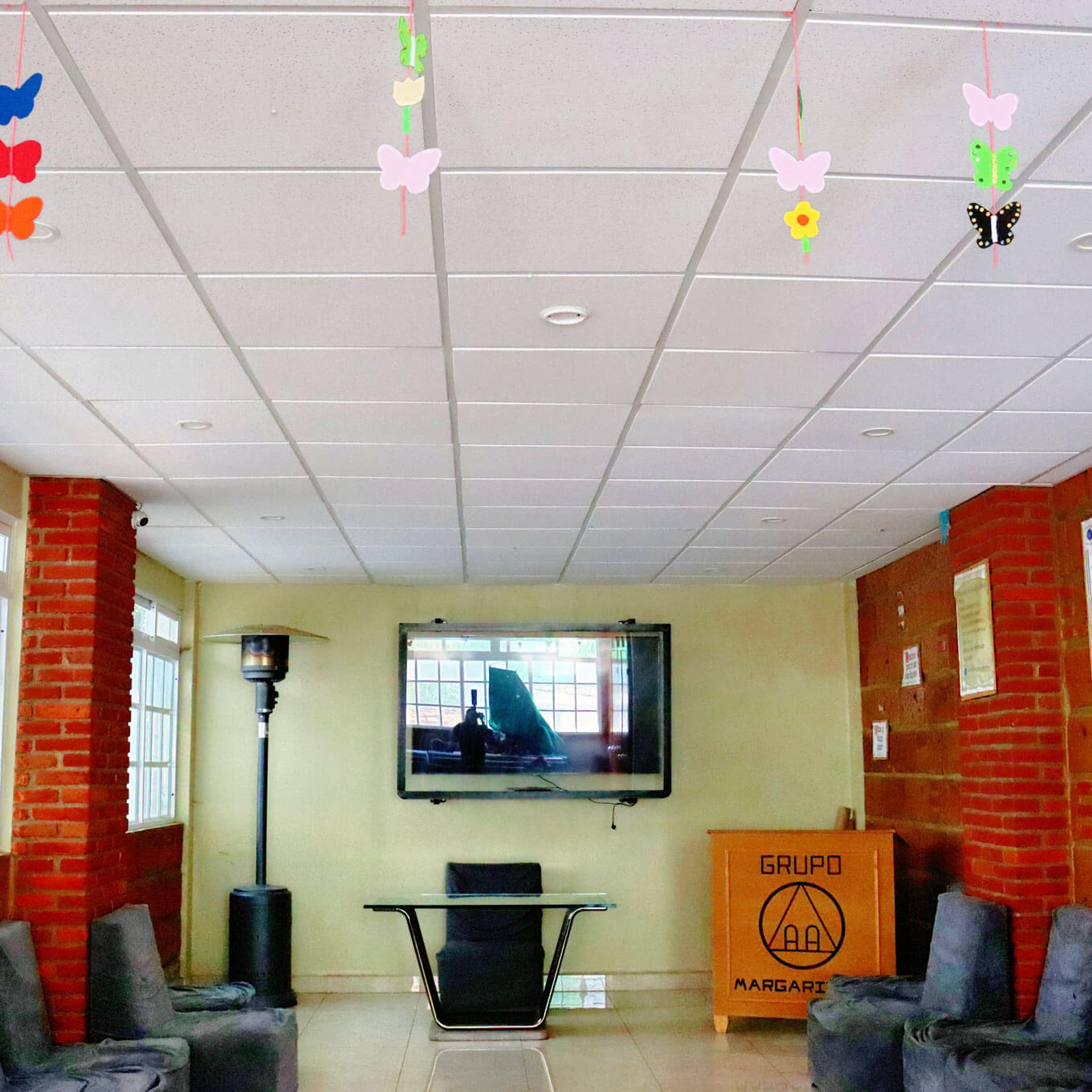

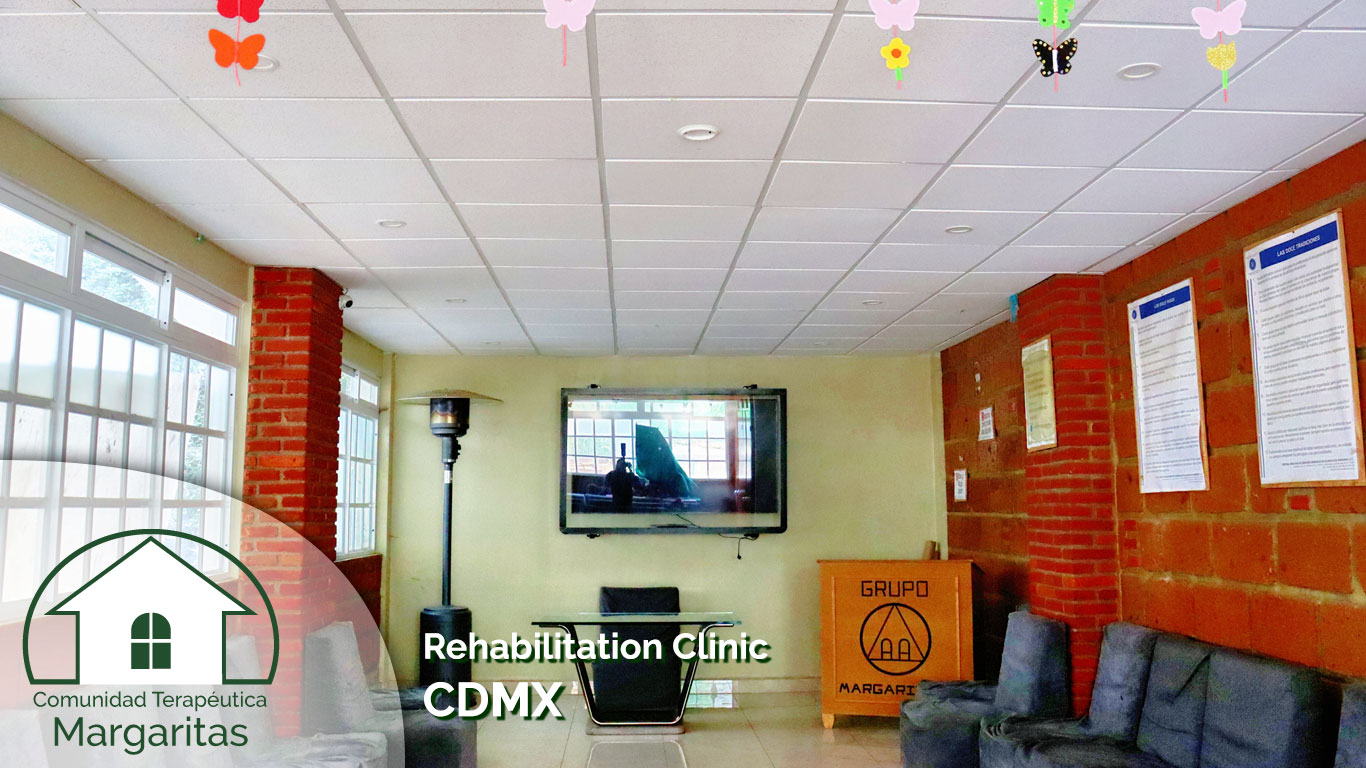
Our unique model allows patients to be in an inclusive environment, interact with society, and thrive within it. Over time, we have seen excellent results with the types of therapies and workshops we offer, which set us apart from institutions, psychiatric clinics, and other halfway houses in Mexico.

MEET OUR TEAM
Fully committed
to your mental health
Meet Margaritas Therapeutic Community
Medical Staff


Facilities
We have the best facilities in an area away from the city for the peace of mind of our patients.
- Pavilion 1
- Pavilion 2
- Sports court
- Green areas

Activities
Our therapies include a variety of activities both within and outside the community.
- Crafts and Arts Activities
- Workshops:
- Reading Workshop
- Film Discussion Workshop
- Bookbinding Workshop
-
Physical Activities:
- Movement Therapy
- Yoga
- Tai Chi
- Pilates
Treatments and Therapies
at Margaritas Therapeutic Community
Multidisciplinary Approach

Psychological Care
It focuses on guiding the patient through a health professional (psychologist).

Medical Treatment
Interconsultations with internal medicine, dentistry, neurology, gynecology etc, plus laboratory and imaging tests according to the patient's needs.

Psychological Care
It focuses on guiding the patient through a health professional (psychologist).
Medical Treatment
Interconsultations with internal medicine, dentistry, neurology, gynecology etc, plus laboratory and imaging tests according to the patient's needs.


Tamaulipas, Tijuana, Toluca, Yucatan, Merida, Cancun, Quintana Roo, Campeche, Tabasco, Villahermosa, Oaxaca, Minatitlan, Champoton, Chiapas, Calkini, Southeast, Puebla, Guanajuato, Cuernavaca, Pachuca, Veracruz, Polanco, Pedregal, Santa Fe, Mexico City, Queretaro, and San Angel. Addiction treatment in Puebla | Eating disorders bulimia, Locate your family or truck with addictions treatment Oaxaca, addictions treatment Champoton, addictions treatment Mexico, addictions treatment Yucatan, Mental disorders Merida, addictions treatment Chiapas, addictions treatment Minatitlan, addictions treatment Veracruz, addictions treatment Queretaro, addictions treatment Campeche, addictions treatment Toluca, addictions treatment Polanco, addictions treatment Queretaro, Borderline personality disorder, addictions treatment Tabasco, addictions treatment Calkini, addictions treatment Yucatan, addictions treatment Merida, addictions treatment Quintana Roo, paranoia treatment, manic-depressive symptoms, addictions treatment Cancun, Bipolar disorder adolescents, Eating disorders bulimia, addictions treatment Mexico, manic-depressive symptoms Puebla, Mental disorders Mexico, Mental disorders Mexico, and Borderline personality disorder, Depression symptoms, addictions Treatment, Schizophrenia treatment, Anxiety disorders treatment, Manic-depressive symptoms, Addiction treatment Mexico, Schizophrenia treatment, Mental disorders, Psychiatric clinics Cancun, and Borderline Personality Disorder, and addiction treatment for Schizoid Personality Disorder. Addiction treatment Mexico | Eating disorders anorexia, Emergency SOS call for addiction treatment and manic-depressive symptoms in these cities: Cuernavaca, Guanajuato, Hidalgo, Puebla, Merida, Pachuca, Queretaro, Veracruz, Yucatan, Chiapas, San Luis Potosi, Toluca, and Acapulco. Protection for families, discreet, security for businesses, convenient, and powerfully effective with addiction treatment, manic-depressive symptoms in Frontera, eating disorders (bulimia), manic-depressive symptoms in Villahermosa, manic-depressive symptoms in Yucatan, manic-depressive symptoms in Merida, manic-depressive symptoms in Veracruz, and manic-depressive symptoms in Queretaro.
Just as common as the previous one is life insurance for disability, usually total disability, but also partial or partial disability. The only company in Insurgentes Mixcoac with services for eating disorder treatment, including life insurance for medical expenses, auto insurance, education, damages, and civil liability, is located in Mixcoac, Insurgentes, San Ángel, Nápoles, and Polanco. Our eating disorder treatment specialists in Mexico are accustomed to analyzing life insurance policies for death or disability. The health questionnaires administered to policyholders at the time of purchase are crucial, as the company will use any circumstance not declared in the questionnaire as grounds for denying payment. On the other hand, the general terms and conditions of insurance policies may exclude compensation payments for losses caused by pre-existing conditions at the time of purchase. Eating Disorders Treatment Mexico | Eating Disorders Treatment Mixcoac. In any case, we offer medical expense treatment for eating disorders, with lawyers specializing in defending your case by analyzing these documents and, if necessary, requesting their annulment if they are considered illegal. Life insurance policies are also common, covering the insured reaching a certain age (survival), and these products typically provide an income for as long as the insured lives. This is often the case with life insurance policies linked to reverse mortgages. The best option with services for families and businesses in life insurance with protection for treatment of eating disorders in Mexico, medical expenses treatment for eating disorders, auto treatment for eating disorders in Mexico, education treatment for eating disorders, damages treatment for eating disorders in Mexico, civil treatment for eating disorders in Mexico, treatment for eating disorders in Mixcoac, treatment for eating disorders in Insurgentes, treatment for eating disorders in San Ángel, treatment for eating disorders in Nápoles, and treatment for eating disorders in Polanco.

Addiction treatment in Mexico, manic-depressive symptoms in Veracruz, manic-depressive symptoms in Tabasco, depression symptoms, addiction treatment, schizophrenia treatment, anxiety disorders treatment, manic-depressive symptoms, addiction treatment in Mexico, schizophrenia treatment, mental disorders, psychiatric clinics in Cancun, addiction treatment, borderline personality disorder in Mexico, and addiction treatment for schizoid personality disorder. Paranoid disorder treatment to disable the vehicle in case of theft, addiction treatment services Oaxaca, addiction treatment Champoton, addiction treatment Yucatan, mental disorders Merida, addiction treatment Chiapas, addiction treatment Minatitlan, addiction treatment Veracruz, addiction treatment Mexico, addiction treatment Queretaro, addiction treatment Campeche, addiction treatment Toluca, addiction treatment Polanco, addiction treatment Queretaro, borderline personality disorder, addiction treatment Tabasco, addiction treatment Calkini, addiction treatment Yucatan, addiction treatment Merida, addiction treatment Quintana Roo, paranoia treatment, manic-depressive symptoms, addiction treatment Cancun, bipolar disorder adolescents, eating disorders bulimia, manic-depressive symptoms Puebla, mental disorders Mexico, mental disorders Mexico, and borderline personality disorder, depression symptoms, addiction treatment Schizophrenia treatment, Anxiety disorders treatment, Manic-depressive symptoms, Addiction treatment Mexico, Schizophrenia treatment, Mental disorders, Psychiatric clinics Cancun, Borderline personality disorder, and addiction treatment for Schizoid personality disorder, Paranoia treatment, Manic-depressive symptoms, Addiction treatment Cancun, Bipolar disorder in adolescents, Anxiety disorders treatment, Manic-depressive symptoms, Bipolar disorder in adolescents, Schizophrenia treatment, Eating disorders (bulimia), and addiction treatment for Schizoid personality disorder. The only company specializing in personality disorders, discreet, convenient, and powerfully effective with eating disorders (bulimia), addiction treatment in Mexico, manic-depressive symptoms in Oaxaca, mental disorders in Mexico, borderline personality disorder in Yucatan, manic-depressive symptoms in Veracruz, manic-depressive symptoms in Tabasco, depression symptoms, addiction treatment, schizophrenia treatment, anxiety disorders treatment, and manic-depressive symptoms.
Psychiatric clinics in Cancun, Borderline Personality Disorder, Paranoia treatment, Manic-Depressive symptoms, Bipolar Disorder in adolescents, Schizophrenia treatment, Eating Disorders (Bulimia), Addiction treatment, Schizoid Personality Disorder, and also in these cities: Cuernavaca, Guanajuato, Hidalgo, Puebla, Merida, Pachuca, Queretaro, Veracruz, Yucatan, Chiapas, San Luis Potosi, Toluca, and Acapulco. Psychiatric hospitals in Mexico | Addiction treatment in Mexico. The only company specializing in personality disorders, discreet, convenient, and powerfully effective, offering treatment for bulimia, manic-depressive symptoms in Puebla, addiction treatment in Mexico, mental disorders in Mexico, borderline personality disorder, depression symptoms, addiction treatment, schizophrenia treatment, anxiety disorders treatment, manic-depressive symptoms, addiction treatment in Mexico, schizophrenia treatment, mental disorders, psychiatric clinics in Cancun, addiction treatment, borderline personality disorder in Mexico, addiction treatment for schizoid personality disorder with satellite tracking in Mexico, and psychiatric clinics in Mexico. Psychiatric hospitals in Mexico | addiction treatment in Mexico, personality disorders, addiction treatment in Mexico | eating disorders (anorexia), psychiatric hospitals in Cancun offering addiction treatment on a per-module basis. We offer treatment services for bipolar disorder symptoms and addictions in Mexico City, Toluca, Cuernavaca, Ecatepec, Puebla, Guanajuato, Polanco, Condesa, Pedregal, Santa Fe, Querétaro, and San Ángel. Increase your company's productivity with treatment for bulimia eating disorders, addictions in Mexico, bipolar disorder symptoms in Puebla, mental disorders in Mexico, borderline personality disorder, depression symptoms, addictions, schizophrenia, anxiety disorders, bipolar disorder symptoms, addictions in Mexico, schizophrenia, mental disorders, psychiatric clinics in Cancún, addictions, borderline personality disorder in Mexico, addictions, schizoid personality disorder, satellite tracking in Mexico, and psychiatric clinics in Mexico. Addictions treatment in Mexico | Anorexia eating disorders.