
A compulsive eater consumes large quantities of food in a very short time. These episodes are considered binges and occur frequently. They are usually overweight, although this is not a requirement. After a binge, they feel guilt or shame about the large amount of food they have consumed, but unlike bulimia, they do not purge, induce vomiting, fast for extended periods, or exercise excessively.

It can be seen as a cycle, since a compulsive eater consumes large amounts when they feel anxious or angry. After finishing eating, they feel full and physically uncomfortable, as well as guilty. However, if they don't eat for some other reason, they may also feel anxious because they cannot control the urge to eat. Thus, food becomes an emotional refuge.
If they try a diet, they cannot complete it, as a new binge occurs; if they try to eat low-calorie foods, they may feel unsatisfied. It is a disorder that affects men and women almost equally and can occur at various stages from childhood to adulthood.
What are the causes?
There isn't one single cause, but it could be due to a hereditary factor or imbalances in brain chemistry. Sociocultural factors also play a role; the individual might be in a social circle where body shape and weight are not a focus. Stress, sadness, and anxiety can also be triggers that lead to binge eating.
In terms of family dynamics, binge eating can stem from parents who are preoccupied with physical appearance and thinness, and who are overprotective, which hinders the development of autonomy or problem-solving skills.
What are the symptoms?
Sometimes people may eat more than usual. This can happen occasionally, but it's important to be aware of the following signs, which may occur at least twice a week for several months:
- Eating even when not hungry, sometimes directly from the packaging
- Eating due to emotions, for example, feeling lonely, angry, or sad
- Routinely eating large quantities in short periods of at least two hours
- Feeling unable to stop eating
- Feeling guilty, disgusted, or depressed after overeating
- Binge eating quickly
- Overweight in most cases, or weight gain
- Sleeping after a binge
- Not stopping eating until feeling very full or uncomfortable
- Feeling distressed about binge eating, but being unable to stop
- Hiding to eat
- Low self-esteem or irritability
- Not valuing food; it can be salty or sweet, and usually contains large amounts of sugar and fat
- Low stress tolerance
- May be impulsive and eat to soothe their temper
- Feeling unacceptable about their body image
- Attempting and failing at various diets
- Insomnia
- Fatigue
- Intestinal cramps or stomach pain
- Hiding food
- Some binge eaters may eat leftovers
- Suicidal thoughts
What are the possible consequences?
The main consequence can be obesity, and subsequently, the compulsive eater will have to deal with the health problems that arise from being overweight, such as:
- Increased risk of developing diabetes or having diabetes
- High blood pressure
- Heart problems
- Risk of joint or bone problems
- Stomach rupture may occur
Psychological and Medical Help
Treatment for this disorder requires a long period of time to achieve recovery. It begins with individual and group psychological therapy. In most cases, medication is required to manage other problems that may have arisen, such as obesity, anxiety or depression.
Therapy also focuses on helping manage anxiety and includes consultation with a nutritionist who will prescribe a personalized diet and teach you how to balance meals in terms of timing and quantity.
Some critical cases may require hospitalization.
What should I do if I suspect a friend or family member may have a compulsive eating disorder?
It's important not to try to help them with comments like "just stop eating," as this can trigger negative feelings or anger, and they may feel judged. They will need support and motivation.
Sometimes, compulsive eaters aren't interested in treating their disorder and will require family support. They often hide their problem, which can make it difficult to seek help from specialists or get treatment, and they may relapse.
Seeking help from a specialized institution will always help not only the compulsive eater but also their family. If you think you might have this disorder or know someone who might, the Comunidad Terapéutica Margaritas works with a team of specialists to treat compulsive eating disorder.



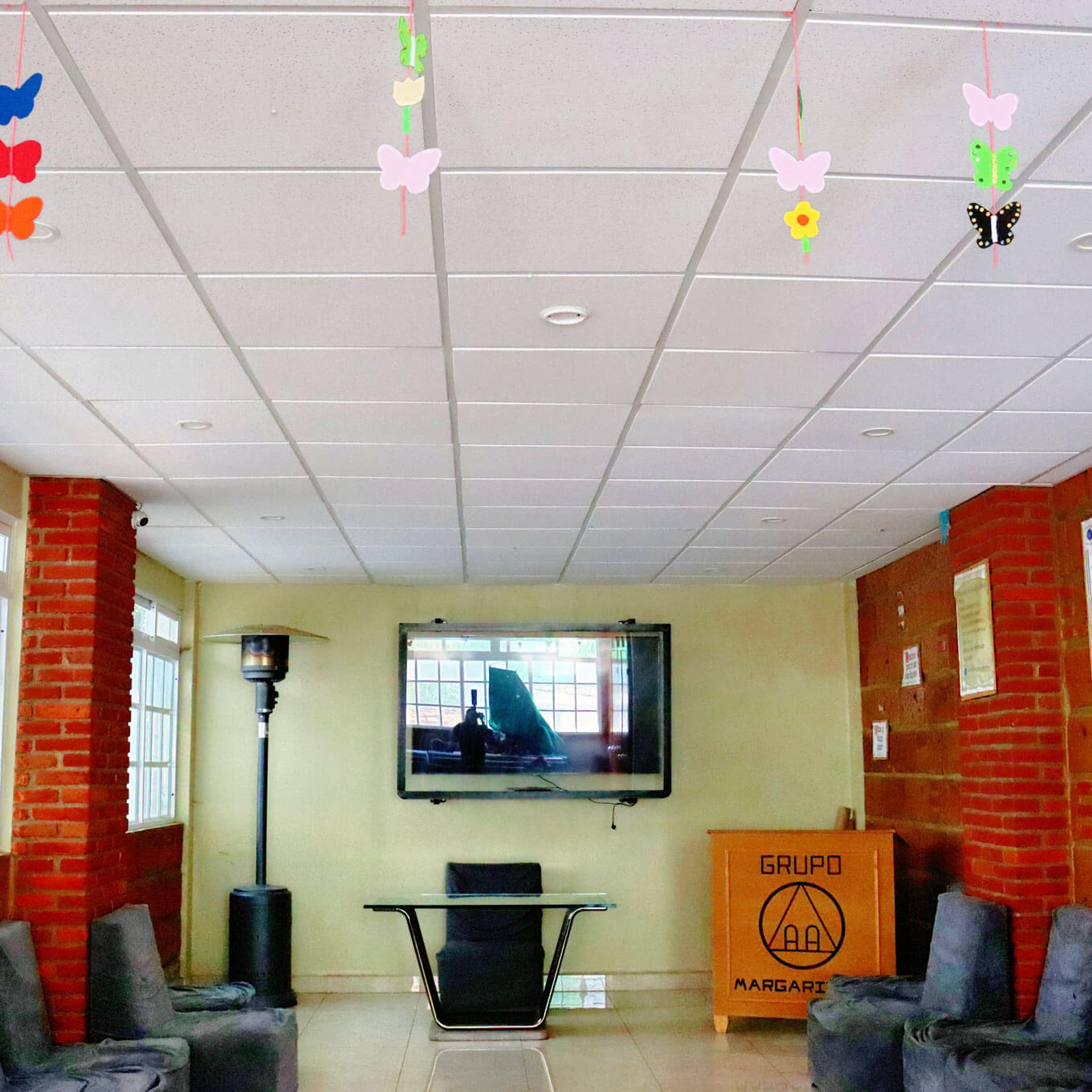

Our unique model allows patients to be in an inclusive environment, interact with society, and thrive within it. Over time, we have seen excellent results with the types of therapies and workshops we offer, which set us apart from institutions, psychiatric clinics, and other halfway houses in Mexico.

MEET OUR TEAM
Fully committed
to your mental health
Meet Margaritas Therapeutic Community
Medical Staff


Facilities
We have the best facilities in an area away from the city for the peace of mind of our patients.
- Pavilion 1
- Pavilion 2
- Sports court
- Green areas

Activities
Our therapies include a variety of activities both within and outside the community.
- Crafts and Arts Activities
- Workshops:
- Reading Workshop
- Film Discussion Workshop
- Bookbinding Workshop
-
Physical Activities:
- Movement Therapy
- Yoga
- Tai Chi
- Pilates
Treatments and Therapies
at Margaritas Therapeutic Community
Multidisciplinary Approach

Psychological Care
It focuses on guiding the patient through a health professional (psychologist).

Medical Treatment
Interconsultations with internal medicine, dentistry, neurology, gynecology etc, plus laboratory and imaging tests according to the patient's needs.

Psychological Care
It focuses on guiding the patient through a health professional (psychologist).
Medical Treatment
Interconsultations with internal medicine, dentistry, neurology, gynecology etc, plus laboratory and imaging tests according to the patient's needs.