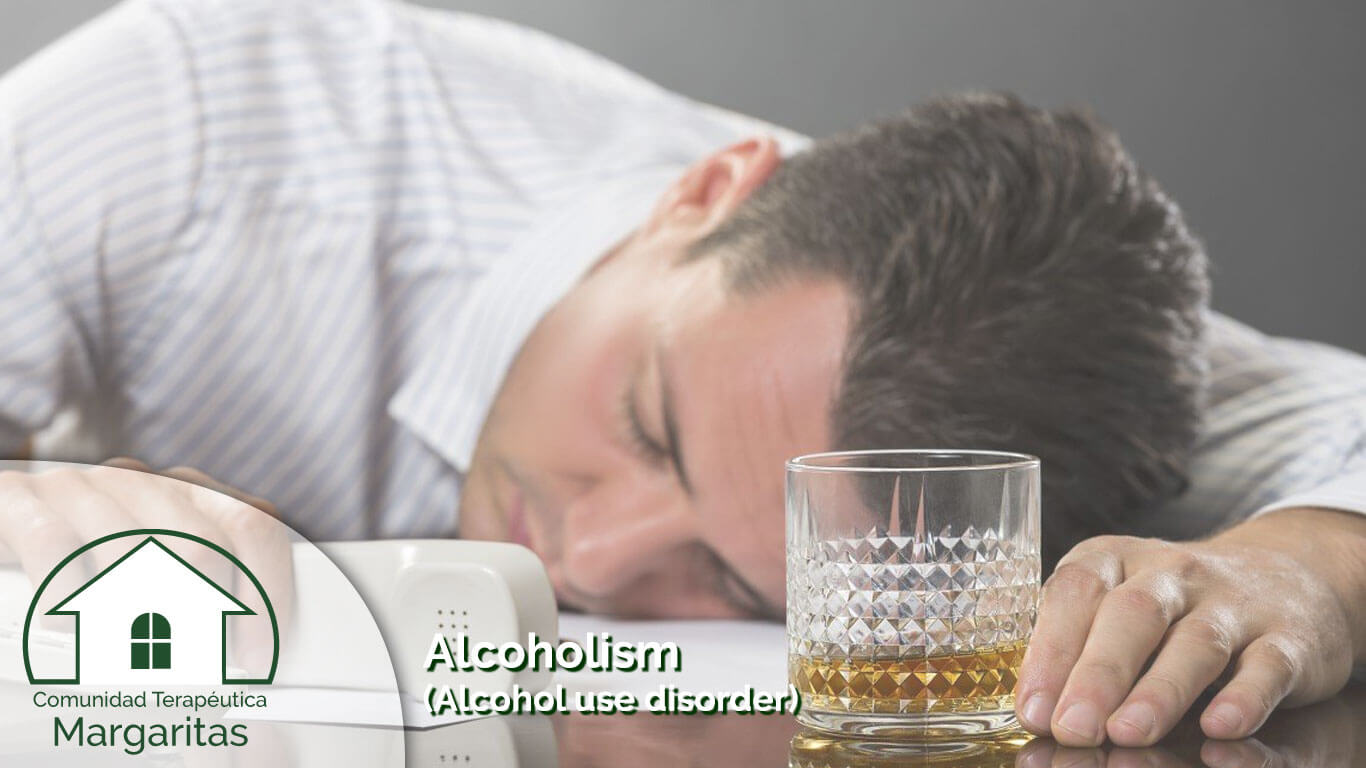
The vast majority of people usually consume alcohol at parties or gatherings, even occasionally without any celebration, however, it is considered a disorder when there is a dependence on alcohol, they lose control when drinking it and cannot stop, in addition to the need to continue ingesting and when the withdrawal syndrome occurs when they have not drunk from one to five days.
This disorder can appear in men and women equally and at any age, with adolescence being a stage of greater risk.
What are the causes of alcohol abuse?
There is no single, defined cause for this disorder; it varies from person to person and can be related to social, personal, psychological, familial, biological, or genetic factors.
As for social factors, it could be due to a social circle surrounded by people who frequently invite them to drink at parties or gatherings. This also includes the need for acceptance or to fit in with a particular social group.
Personal causes could include trauma, stress, fear, low self-esteem, job loss, or the death of a family member. Furthermore, if a person is under high levels of stress, depression, or anxiety, they become more vulnerable to excessive alcohol consumption or addiction to other substances.
Among the biological causes is brain chemistry; it can function differently, causing alcohol to produce a feeling of pleasure.
Family circumstances are perhaps the most common factor, such as being surrounded by violence, having troubled relationships, or having parents with alcohol problems.
What are the warning signs?
- Nausea or vomiting
- Changes in heart rate
- Hallucinations
- Seizures or tremors
- Sweating
- Anxiety
- Restlessness or agitation
- Depression
- Confusion
- Dilated pupils
- Loss of control (inability to stop drinking)
- Irritability
- Headache
- Loss of appetite
- Temporary memory loss after consumption
- Tolerance: the need to drink increasingly larger amounts to feel the same effect
¿Cuáles son las señales de alerta?
There are behaviors that can help identify a problem, such as:
- Causing problems after drinking.
- Withdrawing from activities they previously enjoyed.
- Personal relationships deteriorating due to alcohol consumption.
- Spending excessively on alcohol.
- Making any effort to obtain alcohol.
What are the effects of alcohol abuse?
Excessive drinking has serious consequences, ranging from respiratory, kidney, muscular, and neurological complications to, in extreme cases, death.
- Cirrhosis
- Sleep disorders
- Loss of concentration
- Pancreatitis
- Cancer of the esophagus, colon, stomach, etc.
- Delirium tremens
- Neuro-related damage
- Malnutrition
- Insomnia
- Fatty liver
- Depression
- Suicide
- Cardiovascular problems
In addition to these physiological problems, it can have serious consequences with family, school, work, in the social environment, or it can put your life and the lives of others at risk.
Can alcohol abuse be prevented?
There is no single way to prevent alcohol abuse; however, it is necessary to be aware of warning signs and to stay informed about any alcohol-related situation.
Identifying one's family and social environment is crucial, as these can often be risk factors. Family problems and friends who frequently consume alcohol are early signs that a person may be at risk.
In the case of teenagers, parents can monitor their child's friendships, as well as the time and frequency of parties they attend.
What should I do if I think a family member or friend is abusing alcohol, or if I think I have a problem with alcohol consumption?
Alcohol abuse can be treated, but it requires significant family and social support, in addition to the individual's own willpower. Quitting alcohol often involves a difficult period of detoxification and withdrawal. Another important point is that someone with this disorder may deny having a problem with alcohol.
As we mentioned, support is crucial; however, behaviors that could worsen the situation, such as making comments that suggest alcohol abuse or blaming the person for their addiction, should be avoided. On the contrary, it's essential to express your concern for their health, offer support to your family member, and keep in mind that relapse is likely, but this should not interrupt treatment.
The goal of therapy is to stop drinking alcohol. In some cases, inpatient treatment is necessary for a more effective process, although there are options that don't require it. In both cases, therapy from a multidisciplinary team, including psychologists, psychiatrists, and physicians, is essential. You will receive family, individual, and group therapy, which will help you discuss your problem and learn about other cases.
Comunidad Terapéutica Margaritas has specialized professionals who treat this disorder.
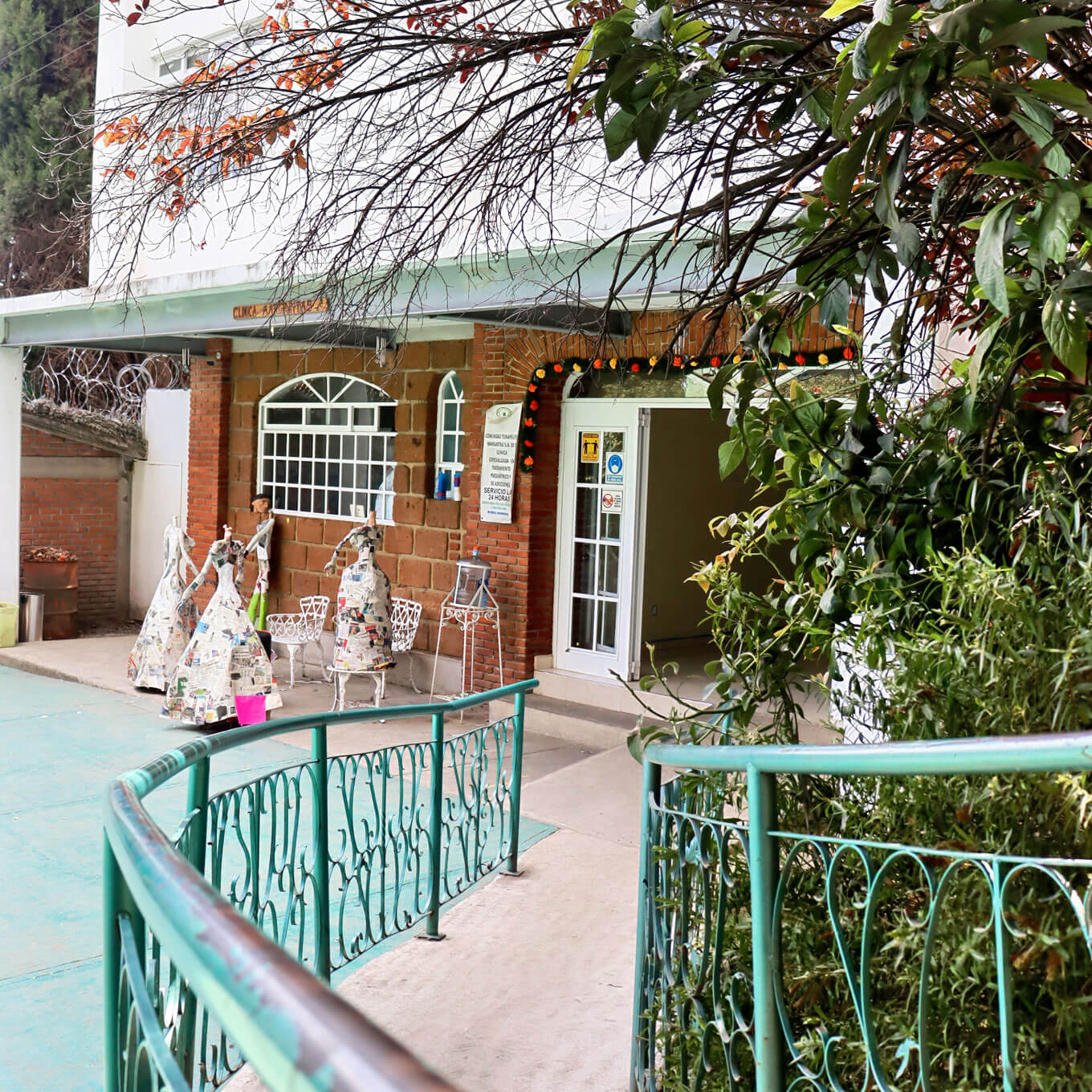

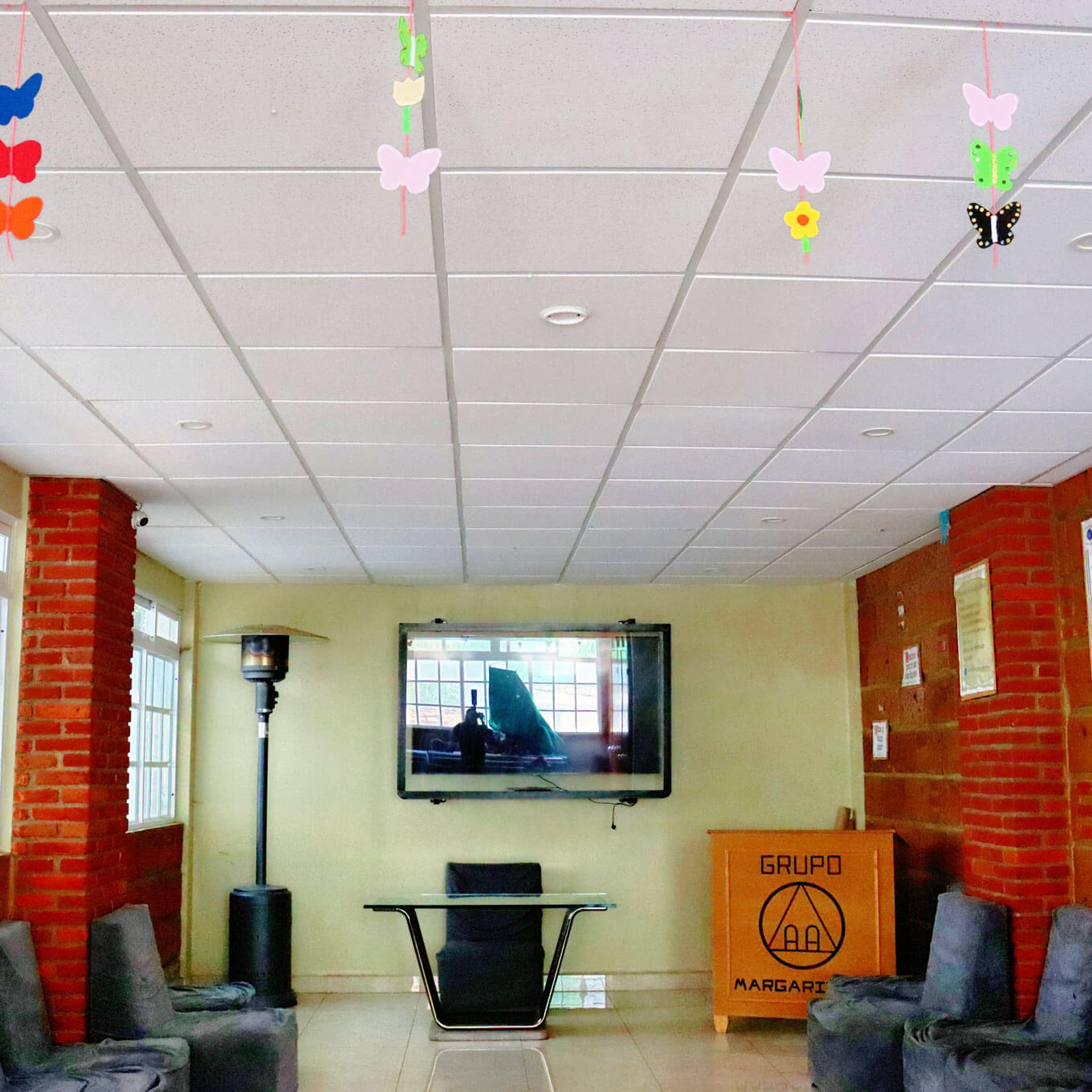


Our unique model allows patients to be in an inclusive environment, interact with society, and thrive within it. Over time, we have seen excellent results with the types of therapies and workshops we offer, which set us apart from institutions, psychiatric clinics, and other halfway houses in Mexico.

MEET OUR TEAM
Fully committed
to your mental health
Meet Margaritas Therapeutic Community
Medical Staff


Facilities
We have the best facilities in an area away from the city for the peace of mind of our patients.
- Pavilion 1
- Pavilion 2
- Sports court
- Green areas

Activities
Our therapies include a variety of activities both within and outside the community.
- Crafts and Arts Activities
- Workshops:
- Reading Workshop
- Film Discussion Workshop
- Bookbinding Workshop
-
Physical Activities:
- Movement Therapy
- Yoga
- Tai Chi
- Pilates
Treatments and Therapies
at Margaritas Therapeutic Community
Multidisciplinary Approach

Psychological Care
It focuses on guiding the patient through a health professional (psychologist).

Medical Treatment
Interconsultations with internal medicine, dentistry, neurology, gynecology etc, plus laboratory and imaging tests according to the patient's needs.

Psychological Care
It focuses on guiding the patient through a health professional (psychologist).
Medical Treatment
Interconsultations with internal medicine, dentistry, neurology, gynecology etc, plus laboratory and imaging tests according to the patient's needs.