It is a neurological condition that begins in childhood, mostly affecting males, and lasts a lifetime. It affects behavior, social interaction, communication, and learning. The symptoms are varied.
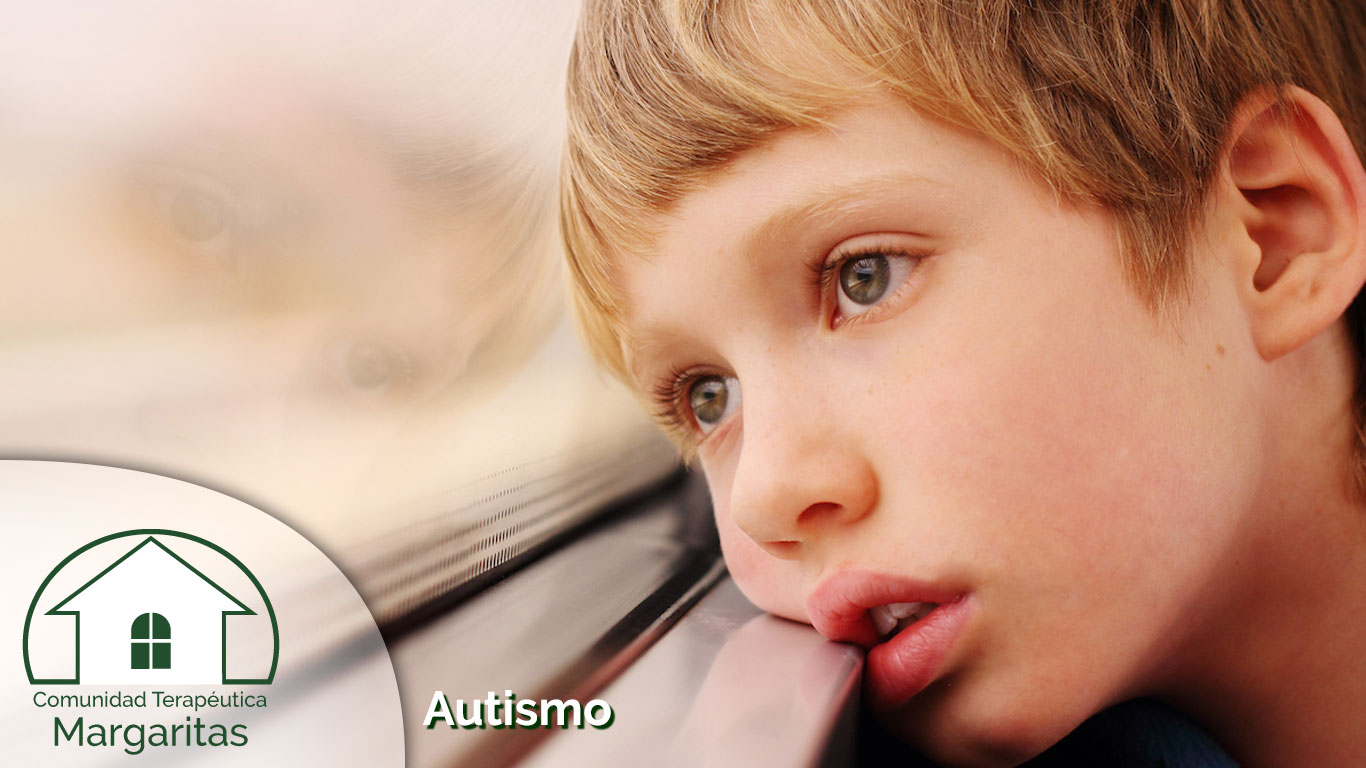
What are the causes of autism?
There is no single, definitive cause for autism; however, it is likely multifactorial. It may depend on biological and genetic factors. Several genes can contribute to the disorder. Additionally, an abnormality in brain structure and chemistry has been observed, but this has not been definitively established as a specific cause.
What are the symptoms of autism?
In most cases, parents notice something different in their children's behavior around 18 months or two years of age. Children may exhibit normal behaviors before this age. Later, in some cases, communication, language, and social skills that they had previously acquired may be lost. Therefore, it is important to consult a specialist immediately.
Regarding communication:
- Doesn't speak
- Can't explain anything
- Usually doesn't respond to their name
- Doesn't understand body language or gestures
- Doesn't continue a conversation
Social behavior
- Avoids eye contact
- Little or no social interaction with children their own age or even with parents
- Doesn't follow instructions
- Prefers to play or do activities alone
- Seems to be in their own world
- Doesn't care about other people or children
They may exhibit unusual behaviors such as flapping their arms, rocking back and forth, or spinning in circles.
- They may have an obsessive interest in a particular topic, even memorizing something specific.
- They dislike changes in routine.
- They may be irritable or angry when in a new or different environment.
- They may be overly attached to their toys, routine, or other objects.
- They may spend a lot of time arranging something of interest to them.
- They may repeat words or phrases.
- They may walk on their toes.
- They may appear to have a vacant stare.
- They are bothered by noise due to heightened sensitivity.
- They may have limited ability or stamina for pretend play.
- They may be hypersensitive to touch, smell, and taste.
- They may not share their belongings.
- They may have a neutral facial expression and use only one tone of voice.
- They may experience periods of hyperactivity.
Identifying warning signs in babies can be difficult, but there are some behaviors that can help:
- They may seem to have hearing problems because they don't seem to respond to their parents' voices.
- They don't like to play around the house with family members.
- They show no interest when someone approaches their crib to pick them up.
- They don't point to things that catch their attention. They don't cry if they fall.
- They don't babble or make sounds by 12 months.
- They don't wave goodbye.
- They don't form sentences after age 2.
- They don't smile back.
- They don't use gestures to try to communicate.
- They don't nod their head.
- They don't have a variety of facial expressions.
- They make strange noises.
What should I do if I suspect my child has autism?
It's important to know that early diagnosis is best to help increase developmental capacity and improve skills. If the child is older and has just been diagnosed, there's no problem because it's not too late to start therapy.
Parents are the ones who are constantly interacting with their children, so if you suspect something isn't right with your baby, you should take them to a specialist and tell them what signs concern you.
What should I do if my child has been diagnosed with autism?
First, it's important to understand that a child with autism can lead a normal life; it just requires finding different ways to support their learning and communication. The family's relationship with the therapist is usually close because this allows for a better understanding of learning and improves their quality of life. It's also important to keep in mind that there is no cure for autism.
The child will likely receive multidisciplinary therapy, including individual therapy, medication, and other therapies such as equine therapy and music therapy. Treatment is not fixed; it varies depending on the case, the child's age, and will be determined by a specialist. The child's schooling will require special attention. A specific diet may be prescribed as part of the treatment.
Support groups can help families understand and learn about different cases of autism in children. It is always important to seek therapies that are scientifically sound and designed to support the development and treatment of children with autism. The goal of treatment is to improve symptoms, communication, and social behavior.
Contact the Margaritas Therapeutic Community to learn more about specific therapies for children with autism.
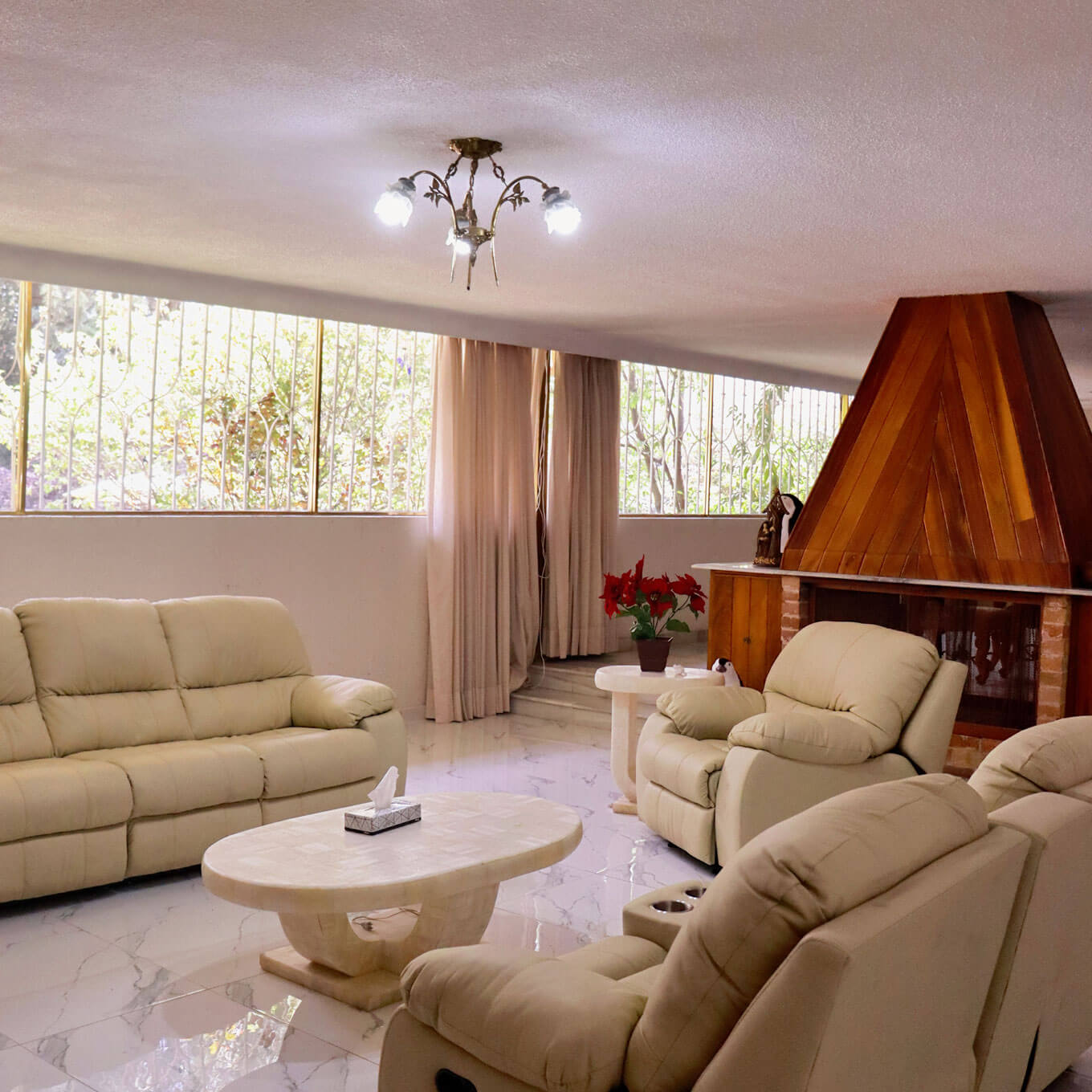
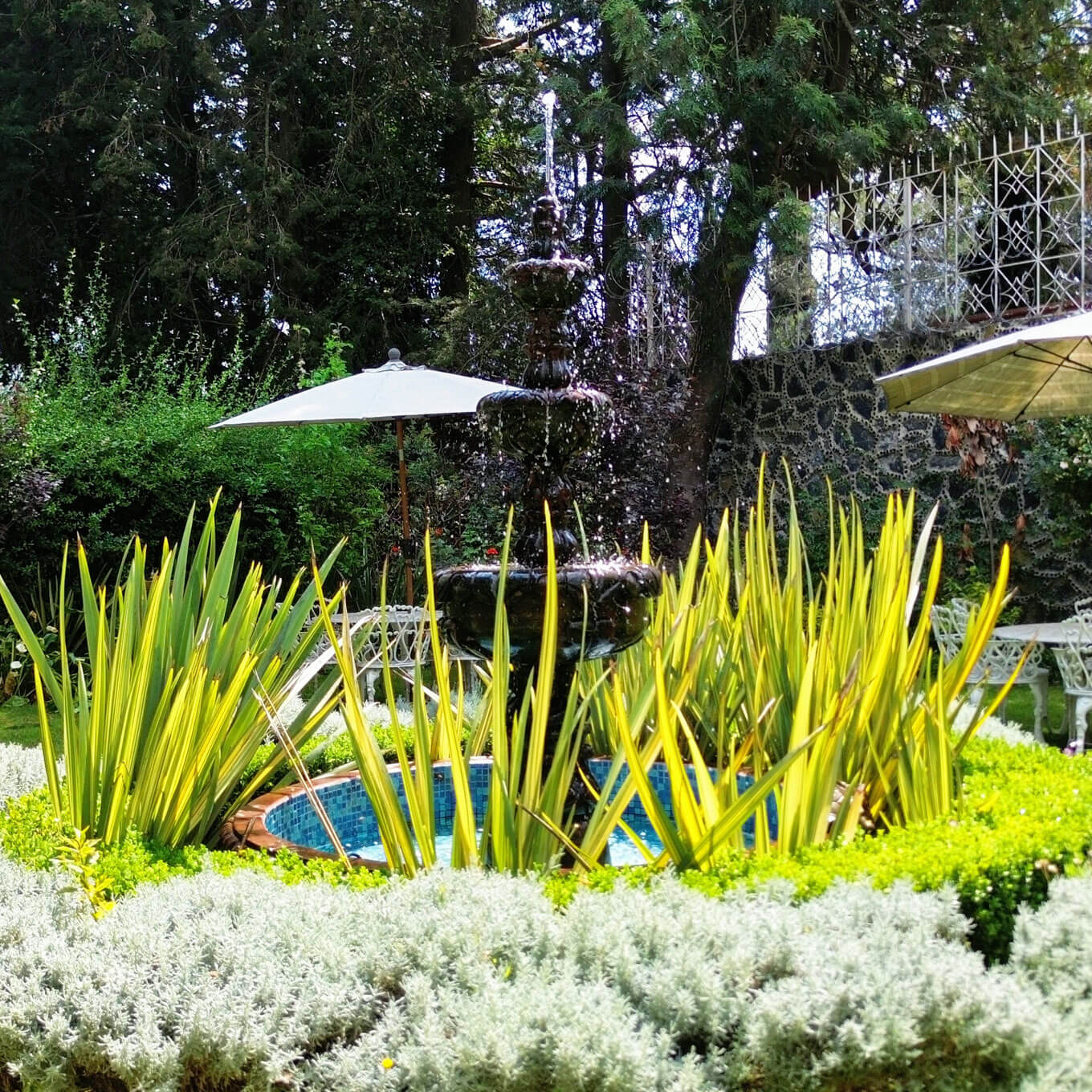
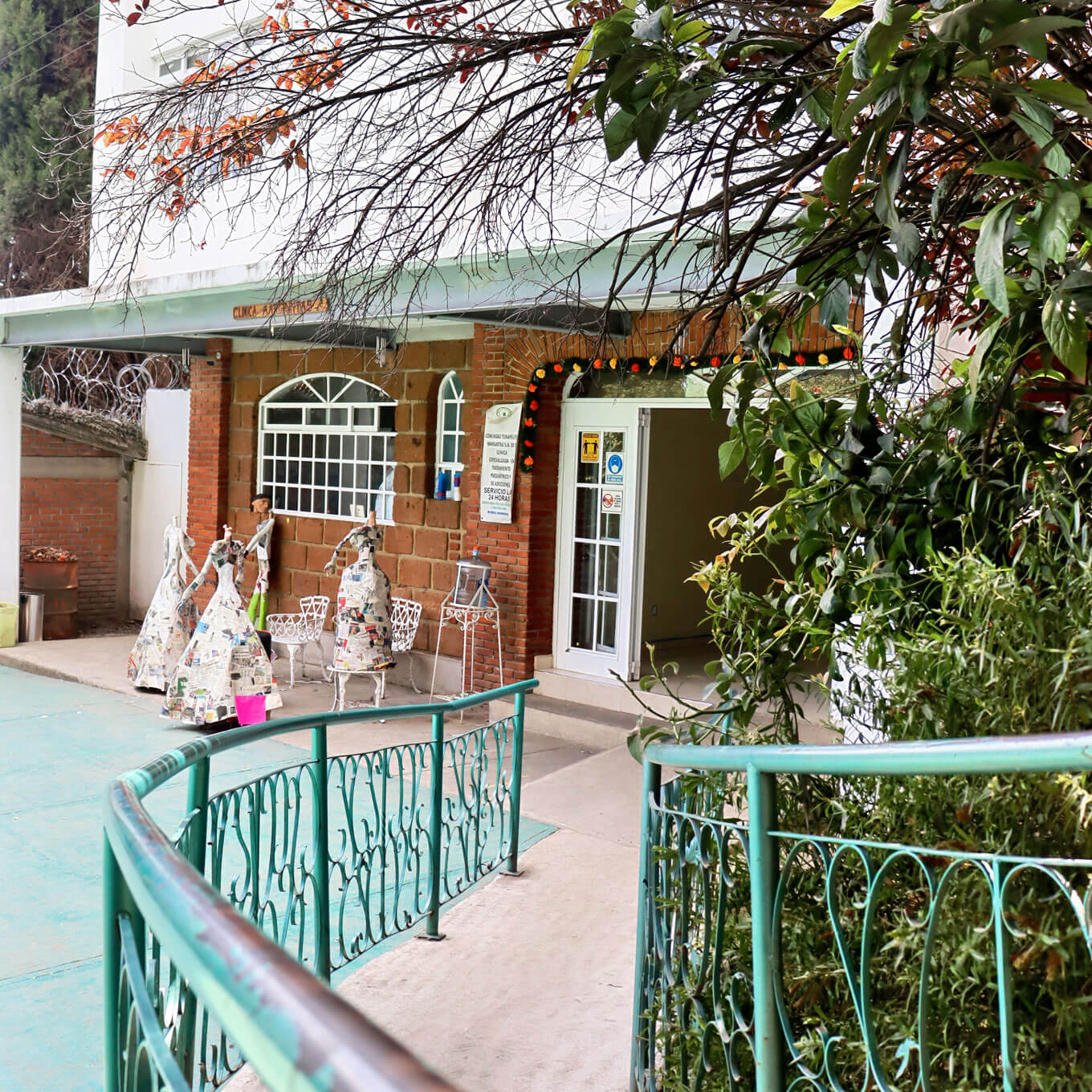
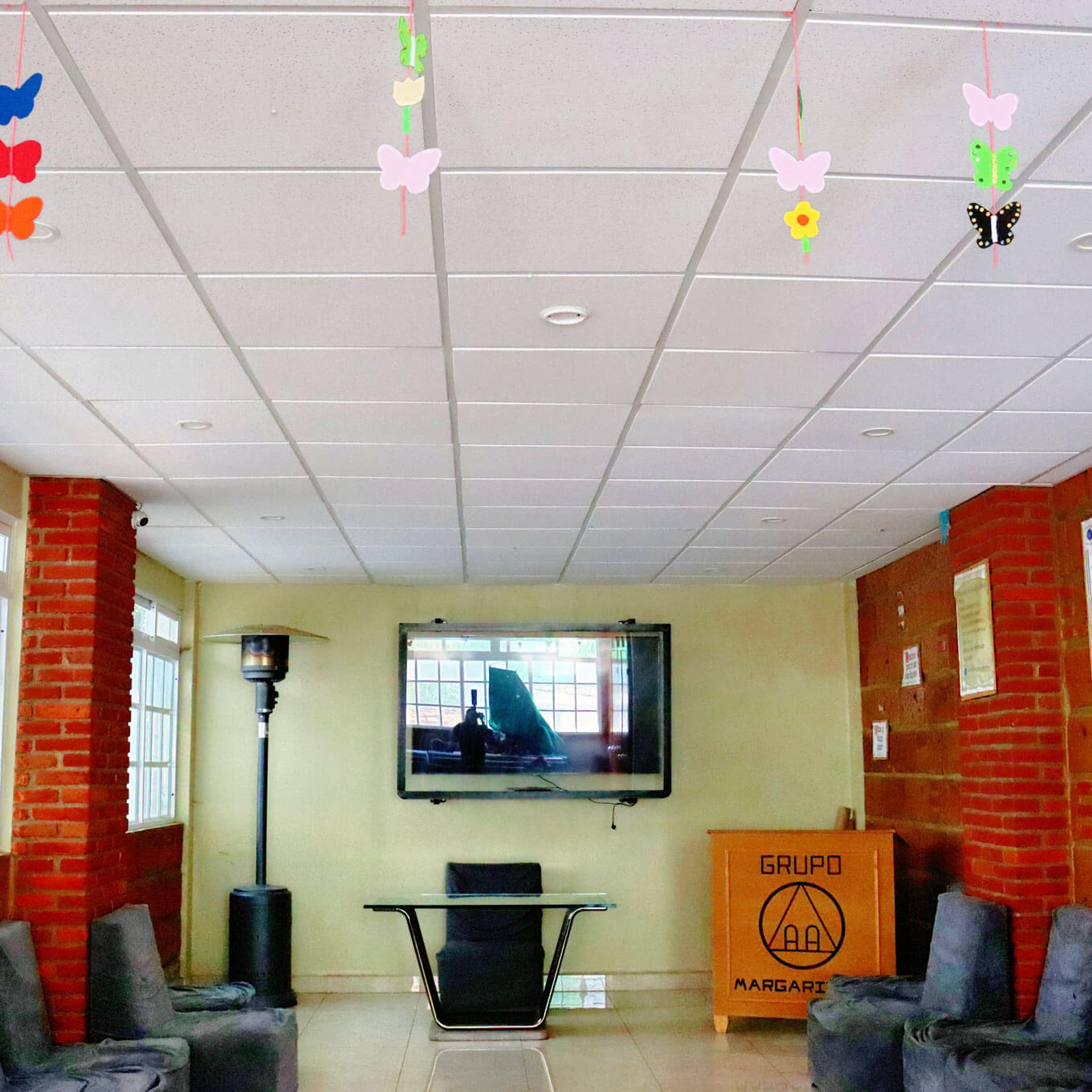

Our unique model allows patients to be in an inclusive environment, interact with society, and thrive within it. Over time, we have seen excellent results with the types of therapies and workshops we offer, which set us apart from institutions, psychiatric clinics, and other halfway houses in Mexico.
MEET OUR TEAM
Fully committed
to your mental health
Meet Margaritas Therapeutic Community
Medical Staff


Facilities
We have the best facilities in an area away from the city for the peace of mind of our patients.
- Pavilion 1
- Pavilion 2
- Sports court
- Green areas

Activities
Our therapies include a variety of activities both within and outside the community.
- Crafts and Arts Activities
- Workshops:
- Reading Workshop
- Film Discussion Workshop
- Bookbinding Workshop
-
Physical Activities:
- Movement Therapy
- Yoga
- Tai Chi
- Pilates
Treatments and Therapies
at Margaritas Therapeutic Community
Multidisciplinary Approach

Psychological Care
It focuses on guiding the patient through a health professional (psychologist).

Medical Treatment
Interconsultations with internal medicine, dentistry, neurology, gynecology etc, plus laboratory and imaging tests according to the patient's needs.

Psychological Care
It focuses on guiding the patient through a health professional (psychologist).
Medical Treatment
Interconsultations with internal medicine, dentistry, neurology, gynecology etc, plus laboratory and imaging tests according to the patient's needs.