It is a syndrome that causes the loss of brain function, mainly affecting the deterioration of memory, language, thinking, judgment, personal and social behavior, as well as the ability to perform some daily activities.
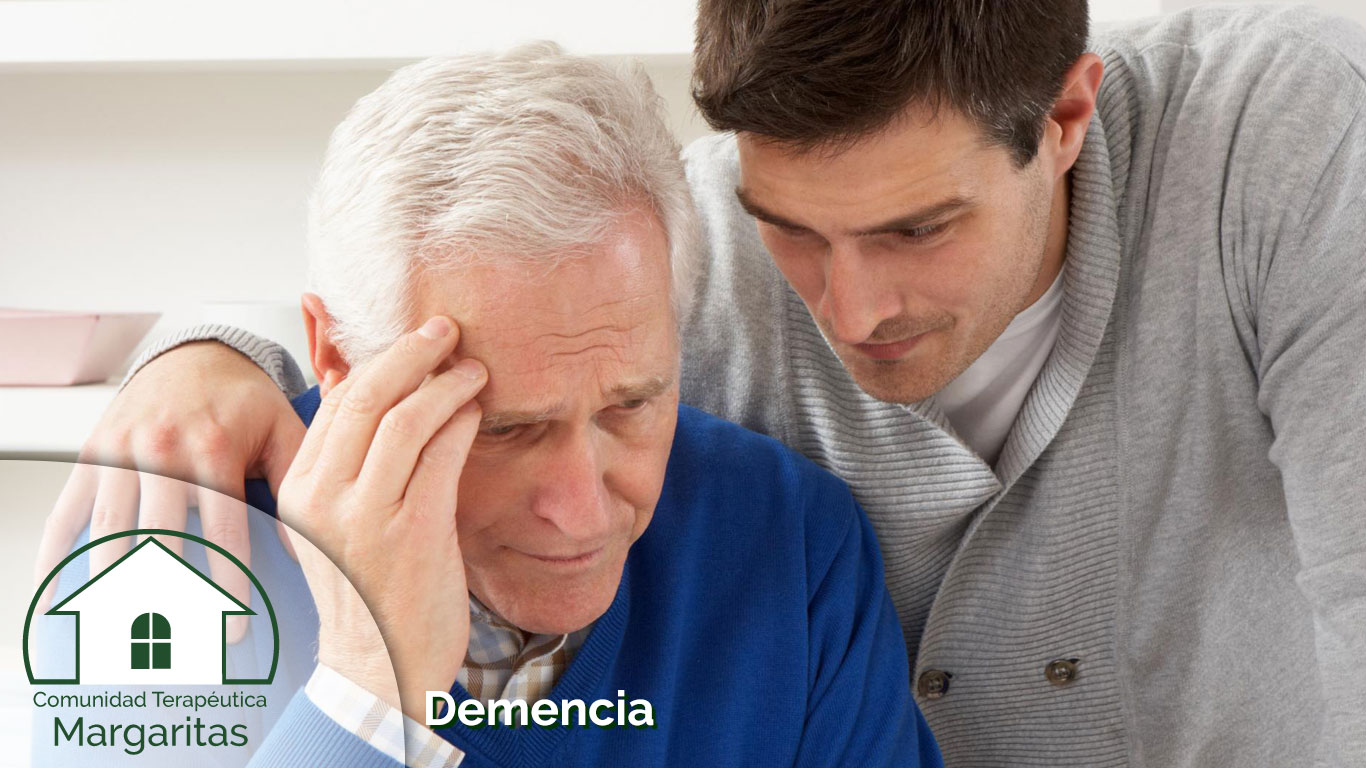
Some types of dementia are progressive, meaning symptoms may begin very mildly, worsen over time, and in most cases are irreversible.
It can occur at any stage of life; however, it is characteristic of older adults. Care must be taken in diagnosis because it is similar to delirium.
The types of dementia are:
- Alzheimer's disease
- The most common type; its cause is unknown, but it may be related to genetic factors.
- Vascular dementia
- The second most common type, it occurs due to damage to the blood vessels that supply blood to the brain. This can be caused by a stroke.
- Lewy body dementia
- This involves abnormal protein deposits in the brain.
- Frontotemporal dementia
- Degeneration of neurons in certain areas of the brain
What are the causes of dementia?
It is mostly due to age; some initial symptoms appear before age 65. The main cause is damage to cells in certain brain regions, which directly affects behavior and abilities.
Other problems that can trigger dementia include:
- Brain injury
- Huntington's disease
- Multiple sclerosis
- Parkinson's disease
Some types of dementia can be treated to stop or reverse the decline, but it depends on the underlying cause. Those that can be reversed include:
- Brain injury
- Brain tumors
- Alcohol abuse
- Depression
- Use and effects of medications
- Brain infections
- Thyroid problems
- Vitamin deficiencies
¿Cuáles son los síntomas de la Demencia?
Existen muchos síntomas en distintas áreas cerebrales a continuación son los síntomas generales de la Demencia:
Deterioro Cognitivo:
- Difficulty or inability to perform more than one task at a time
- Forgetting recent events or conversations
- Taking longer to perform mental tasks
- Problems with spoken or written language
- Problems with short-term memory
- Disorientation to time or place
- Difficulty making decisions or plans
- Problems concentrating
- Inability to solve problems
Psychological Changes:
- Depression
- Anxiety
- Paranoia
- Agitation
- Hallucinations
- Personality changes
Signs and Symptoms of Dementia by Stages
Early Stage
- Language problems
- Mood swings
- Loss of interest in previously enjoyed activities
- Losing things
- Forgetting things or events
- Loss of sense of time
- Personality changes
- Disorientation
- Difficulty learning or retaining new information
- Inappropriate behavior
Intermediate Stage
Most of the symptoms are from the early stage, but they are more severe, common, and evident.
- Greater disorientation, even in their own home.
- Difficulty learning new things
- Changes in sleep patterns
- Hallucinations or delusions
- Social withdrawal
- Depression
- Paranoia
- Agitation
- Violent behavior or irritability
- Forgetfulness of recent events
- Difficulty performing daily tasks;
they require assistance with bathing, dressing, eating, etc. - Increased difficulty reading, writing, or communicating.
Late/Severe Stage
- They can no longer perform daily tasks such as bathing, eating, cooking, dressing, etc.
- They do not recognize people, even family members.
- They cannot understand language or communicate.
- They have greater difficulty orienting themselves and a loss of their sense of time.
- They require support for personal care.
- They experience memory loss.
- They have difficulty moving or walking.
- They exhibit greater behavioral changes and may become aggressive.
What are the complications of dementia?
Dementia must be monitored and should not be taken lightly, as it can lead to various complications. One of the risks is that those who suffer from it may be unable to swallow. They are also at risk of malnutrition, injuries or falls, pneumonia, or other serious infections that can lead to coma and subsequently death.
Can dementia be prevented?
Dementia cannot be prevented, but there are habits and measures that can be taken to improve quality of life and try to reduce the decline that comes with age.
- Eat a proper diet:
- It's important that the foods you eat include plenty of vegetables, fruit, and whole grains, as well as foods rich in Omega-3 fatty acids.
- Physical activity:
- Exercise regularly to avoid a sedentary lifestyle.
- Keep your mind active:
- Engage in activities that stimulate brain function, such as reading, doing puzzles, crosswords, memory games, etc.
- Keep your blood pressure, weight, and diabetes under control.
- Quit smoking and drinking alcohol.
It is important to first consult a specialist to determine the cause of the dementia. Since there is no cure, the treatment will depend on the underlying cause. Some treatments aim to temporarily improve symptoms.
It is also important to keep in mind that a person with dementia will need a caregiver at some point to help with daily tasks. Family support is essential, although in many cases, specialized caregivers are required.
Treatment may also include activities and stimulation to help them perform their daily activities better; however, these should not be stressful. It typically involves occupational therapy and group therapy to help maintain social interaction. Some treatments require short-term hospitalization.
Another important factor is adapting the living environment to ensure safety. There are also assisted living facilities that offer patients a suitable living space and support. We invite you to contact the Margaritas Therapeutic Community to learn more about their trained staff.
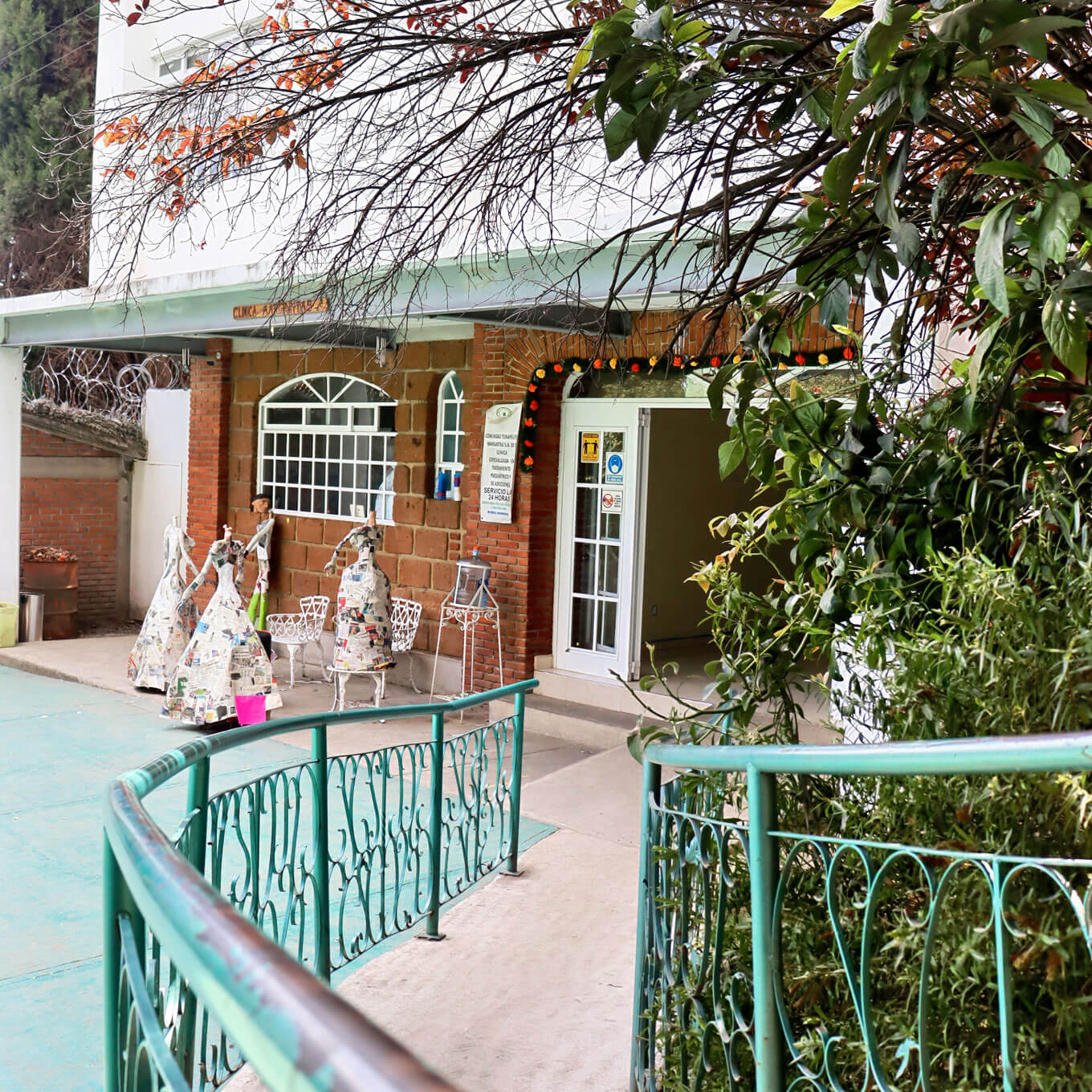
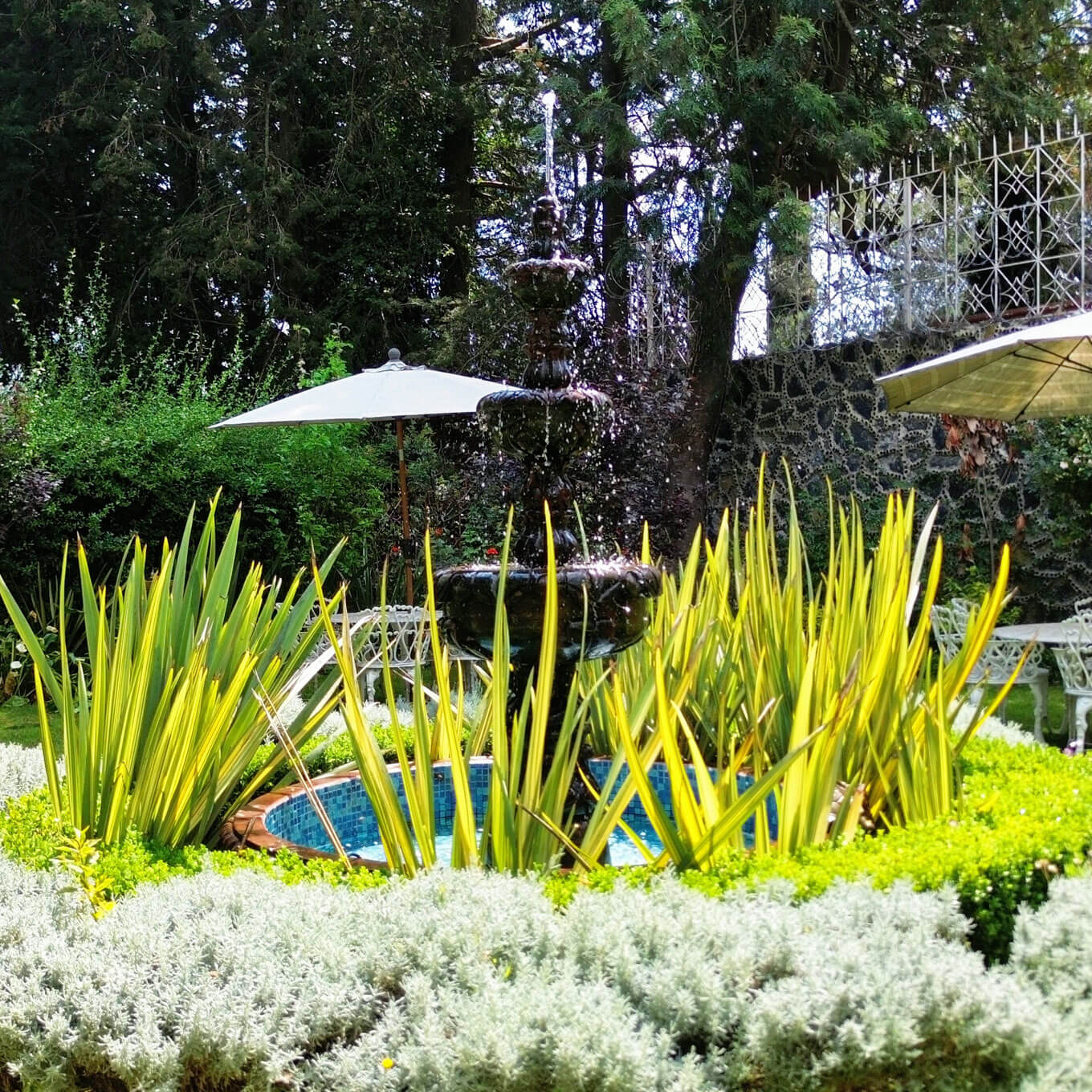
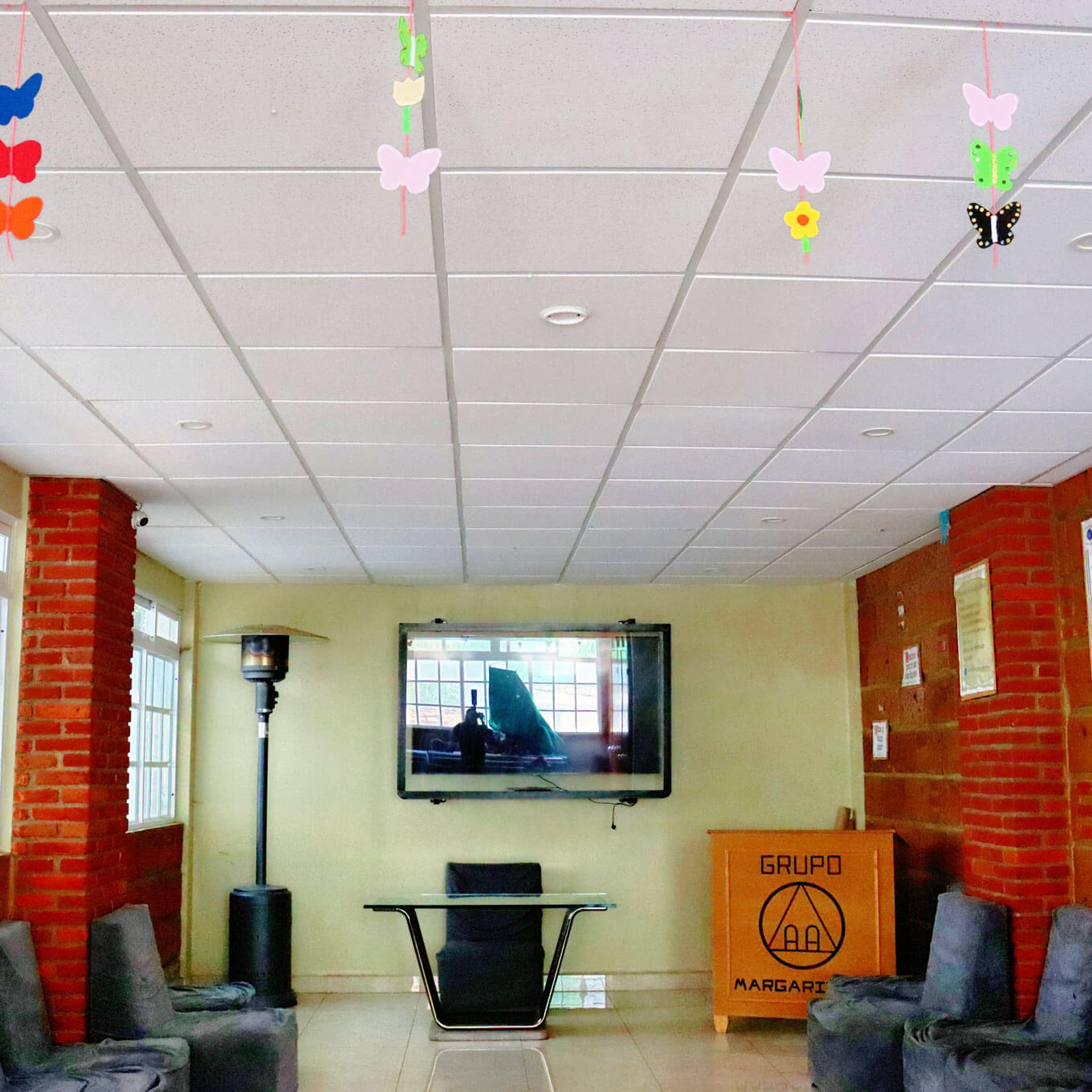
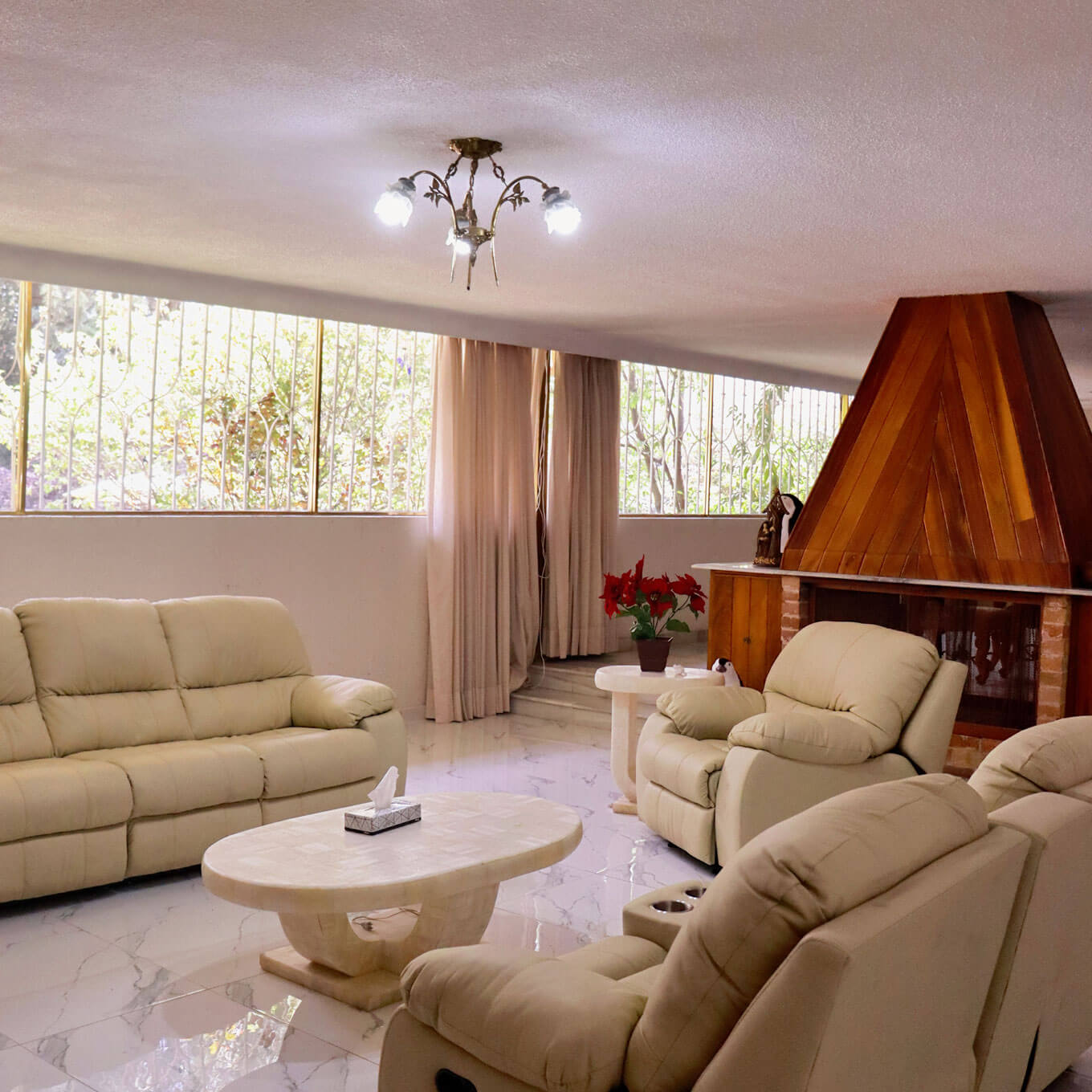

Our unique model allows patients to be in an inclusive environment, interact with society, and thrive within it. Over time, we have seen excellent results with the types of therapies and workshops we offer, which set us apart from institutions, psychiatric clinics, and other halfway houses in Mexico.

MEET OUR TEAM
Fully committed
to your mental health
Meet Margaritas Therapeutic Community
Medical Staff


Facilities
We have the best facilities in an area away from the city for the peace of mind of our patients.
- Pavilion 1
- Pavilion 2
- Sports court
- Green areas

Activities
Our therapies include a variety of activities both within and outside the community.
- Crafts and Arts Activities
- Workshops:
- Reading Workshop
- Film Discussion Workshop
- Bookbinding Workshop
-
Physical Activities:
- Movement Therapy
- Yoga
- Tai Chi
- Pilates
Treatments and Therapies
at Margaritas Therapeutic Community
Multidisciplinary Approach

Psychological Care
It focuses on guiding the patient through a health professional (psychologist).

Medical Treatment
Interconsultations with internal medicine, dentistry, neurology, gynecology etc, plus laboratory and imaging tests according to the patient's needs.

Psychological Care
It focuses on guiding the patient through a health professional (psychologist).
Medical Treatment
Interconsultations with internal medicine, dentistry, neurology, gynecology etc, plus laboratory and imaging tests according to the patient's needs.