
What is bulimia?
Bulimia is an eating disorder characterized by the compulsive consumption of excessive amounts of food, known as binge eating episodes. These episodes occur repeatedly, and the person suffering from bulimia does not control the amount of food they eat and usually does so in secret.

Once the episode has passed, they try to compensate for everything they have eaten with intense physical exercise, eating healthy foods, or self-induced vomiting due to fear of gaining weight. It commonly affects women in adolescence or young adulthood, although there are cases in men.
Bulimia can be divided into:
1. Purging bulimia:
This is the most common type. After binge eating, the individual tries to compensate by inducing vomiting, using laxatives, or diuretics to eliminate as quickly as possible all the calories and food consumed, driven by a fear of weight gain. In these cases, people have misconceptions about how their bodies work. For example, if their first meal is red, they may induce vomiting until the vomit is also red, believing that this means there is nothing left in their stomach.
2. Non-purging bulimia:
This is less common. The individual does not self-induce vomiting or use laxatives or diuretics. Instead, they engage in prolonged fasting or intense exercise in the days following a binge to avoid weight gain. The extended period of abstinence from food can trigger another binge-eating episode due to uncontrolled hunger.
What are the causes of bulimia?
There isn't one specific cause that triggers bulimia, and it can arise from multiple factors, such as problems in the family, social, or individual environment, as well as psychological, biological, and even genetic issues. Bulimia often occurs as a result of dieting due to previous weight gain, a distorted body image, or unrealistic beauty standards. Among the biological causes, one can be a decrease in serotonin levels, a neurotransmitter that signals the brain to feel full after eating.
Symptoms:
- Excessive concern about body shape and weight
- Fear of gaining weight
- Self-induced vomiting
- Excessive exercise
- Abuse of laxatives, enemas, or diuretics
- Binge eating
- Feeling of lack of control over food intake
- Depression
- Feelings of guilt after binge eating
- Fasting
- Fatigue or weakness
- Impulsive, rebellious personality or anxiety
- Self-loathing
- Overeating, usually in secret
- Frequent trips to the bathroom after every meal
- Smell of vomit, either on the person or in the bathroom
How to recognize a binge?
Binges can occur at any time of day and can happen once a week, several times a week, or throughout the day, being more frequent in the afternoon. The types of food consumed are mostly sweets or foods with excessive calories, ingested in a very short time. They can be triggered by mood swings or personal problems.
Consequences:
The problems caused by bulimia are primarily due to vomiting and laxative abuse. They can trigger respiratory, digestive, cardiovascular, hormonal, neurological, renal, and psychological problems, and in some cases, a tendency toward drug use. Without medical intervention, it can be fatal.
- Respiratory:
- May present with lung infections and chronic hoarseness.
- Digestive:
- Esophageal ulcers, stomach dilation, tooth enamel loss or cavities, throat inflammation, and the presence of stomach acid in the esophagus, which can be irreversible or cause rupture.
- Cardiovascular:
- May present with altered heart rhythm, ruptured blood vessels, or low blood pressure.
- Hormonal:
- Absence or irregularity of menstrual cycles.
- Neurological:
- May present with seizures or brain damage.
- Renal:
- Due to diarrhea caused by laxatives, dehydration and altered sodium and potassium levels may occur.
- Psychological:
- Depression, personality changes, suicidal ideation, anxiety, or irritability.
How to Treat Bulimia?
Treatment is personalized depending on the severity of the bulimia. An evaluation is necessary to determine if there are other health problems that arose as a result of the disorder. Support groups, individual therapy, nutritional counseling, and, in some cases, medication may be used. Hospitalization is usually not required. Relapses can occur, but it is important not to stop treatment or therapy for this reason. Often, the family also needs psychological support to learn how to help in the process and overcome the disorder.
Psychological Help
If you suspect you may have this disorder, you should seek professional help. Contact the Margaritas Therapeutic Community to receive support from doctors in different disciplines who will work on your treatment.
If you think a friend or family member may have bulimia and you want to help them, first avoid these mistakes:
- Constantly monitor her
- Force her to undergo treatment
- Admit her to a clinic against his/her will
- Judge or pressure her
These are attitudes that can harm someone with bulimia. The most important thing is that they feel supported and not judged. Suggest they seek help from a specialized institution. Remember that this is a disorder that requires support, time, and understanding for recovery.


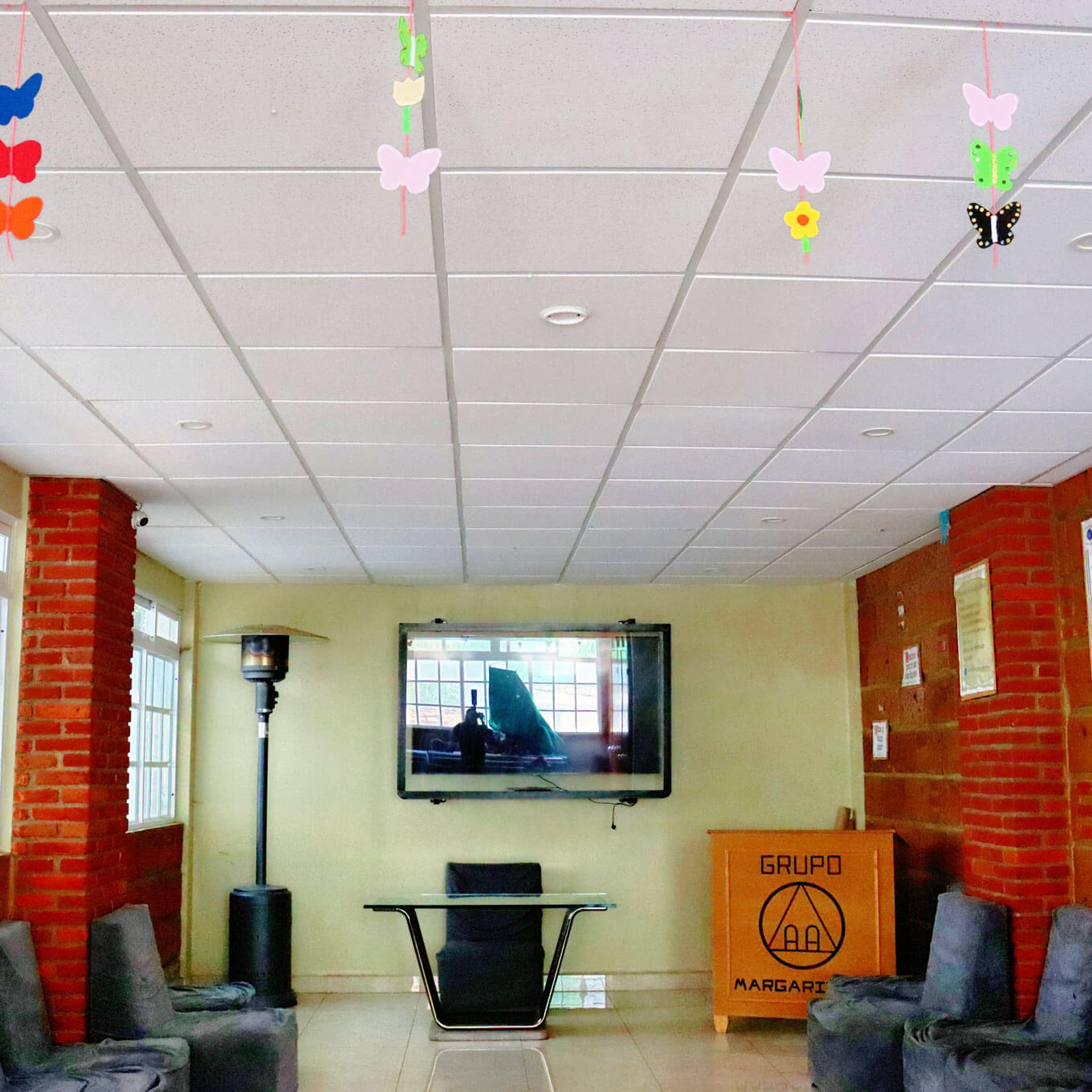


Our unique model allows patients to be in an inclusive environment, interact with society, and thrive within it. Over time, we have seen excellent results with the types of therapies and workshops we offer, which set us apart from institutions, psychiatric clinics, and other halfway houses in Mexico.

MEET OUR TEAM
Fully committed
to your mental health
Meet Margaritas Therapeutic Community
Medical Staff


Facilities
We have the best facilities in an area away from the city for the peace of mind of our patients.
- Pavilion 1
- Pavilion 2
- Sports court
- Green areas

Activities
Our therapies include a variety of activities both within and outside the community.
- Crafts and Arts Activities
- Workshops:
- Reading Workshop
- Film Discussion Workshop
- Bookbinding Workshop
-
Physical Activities:
- Movement Therapy
- Yoga
- Tai Chi
- Pilates
Treatments and Therapies
at Margaritas Therapeutic Community
Multidisciplinary Approach

Psychological Care
It focuses on guiding the patient through a health professional (psychologist).

Medical Treatment
Interconsultations with internal medicine, dentistry, neurology, gynecology etc, plus laboratory and imaging tests according to the patient's needs.

Psychological Care
It focuses on guiding the patient through a health professional (psychologist).
Medical Treatment
Interconsultations with internal medicine, dentistry, neurology, gynecology etc, plus laboratory and imaging tests according to the patient's needs.