(Family Psychotherapy)
These are sessions where members of a family experiencing various conflicts attend therapy with the aim of reducing these problems and thus improving relationships. It is also offered as an alternative when only one family member is experiencing a problem, allowing for the modification of behavioral or thought patterns to foster healthy relationships or rehabilitation.
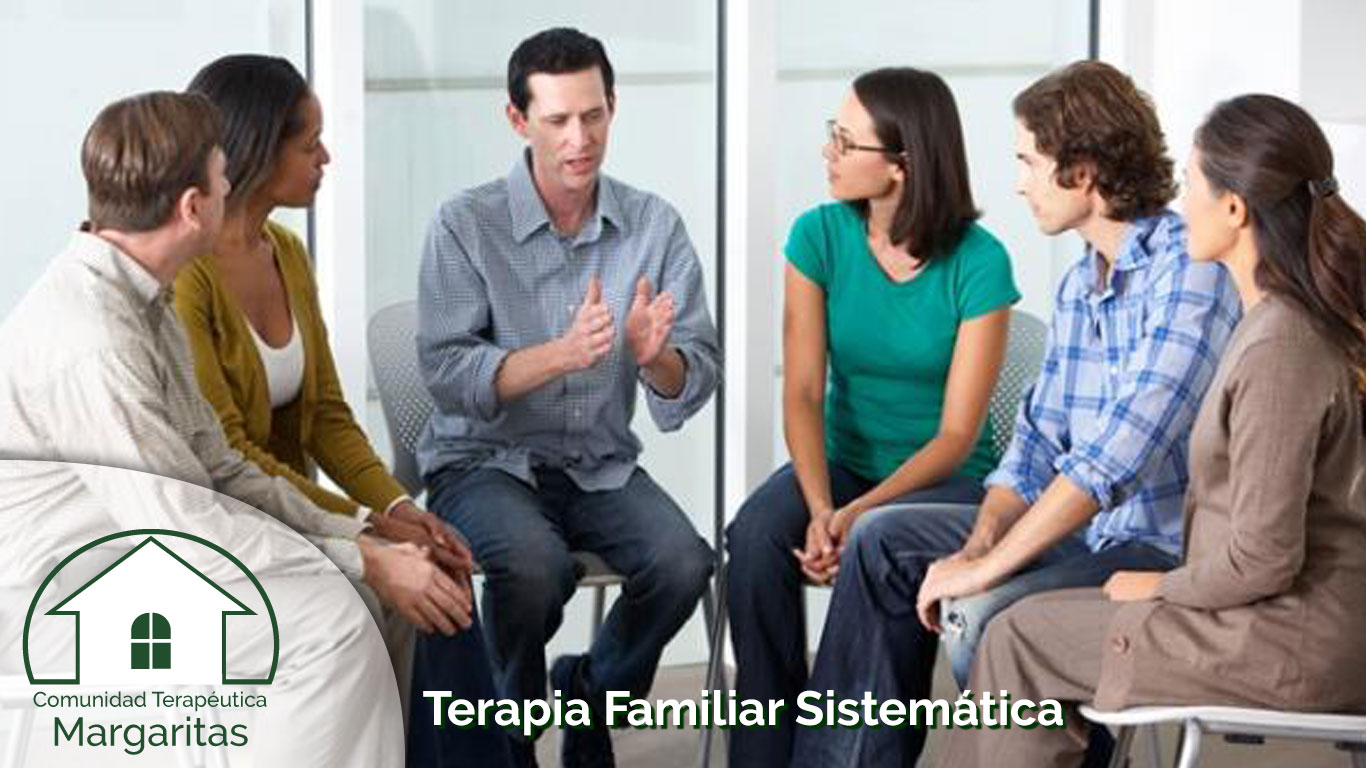
For therapy, at least two family members must participate, but ideally all members should attend. It's important to note that family therapy isn't limited to blood relatives; other people can participate as long as they play a significant role in the family's life.
The goal is for all family members to communicate and understand each other effectively, identify and reinforce positive aspects of family life, and make necessary changes to address negative behaviors or issues affecting one or more members.
Why is family therapy necessary?
For most people, the family circle is the first one they experience, so it is here that they learn positive or negative behaviors and thoughts that are essential for development and throughout life.
Some disorders or problems can originate within this circle, although this is not always the case, and family therapy aims to modify negative aspects.
Family therapy is not only used when a problem has arisen; it also aims to delay some symptoms and thus improve the development and relationships of family members.
In this type of therapy, the patient is treated as a whole family, not as individual members.
How to Undergo Family Therapy?
It's important that family therapy be prescribed by a specialist. Before beginning therapy, an evaluation will be conducted to identify the family's structure, their dynamics and interactions, and thus pinpoint the problems. Following this evaluation, the most appropriate therapy will be recommended. The evaluation process consists of a series of interviews.
Family therapy sessions typically last between 1 and 1.5 hours. The therapist determines the schedule, which may include one session per week. The total number of sessions will depend on the goals and the specific issues being addressed.
This type of therapy is indicated for:
- Behavioral problems in a family member
- Some cases of addiction
- Relationship problems, separation, or divorce
- Domestic violence
- Some mental disorders
- Eating disorders
- Communication problems
- Grief
Family therapy may also be recommended after the patient has undergone individual therapy and the specialist has not seen any progress because the family dynamic interferes with rehabilitation or improvement. It can also be conducted concurrently with other therapies.
How does family therapy work?
The most common approach used in this type of therapy is systemic therapy. This means the family should be viewed as a whole, forming a system, not as separate entities, because families have shared behaviors, patterns, and ways of communicating and living together.
Positive behaviors within the family are also analyzed and reinforced to strengthen these dynamics.
The therapy process focuses on communication, defining or modifying family roles to create a clear structure, addressing problem-solving, and clarifying the power of each family member.
The number of participants in each session may vary; sometimes only a few will be required. Sessions will involve dialogue among family members about the topics to be addressed, and may also include exercises suggested by the therapist.
In cases of eating disorders, specialists in the field may be involved to ensure a more comprehensive rehabilitation.
For family therapy to be effective, achievable goals and objectives must be established, family members must actively participate in the sessions, striving to be as clear as possible, and there must be a commitment to modifying the behaviors identified by the therapist.
Keep in mind that this type of therapy has long-term results, so the expected changes may not be visible during the course of therapy, but it is important not to abandon it at any point.
At Margaritas Therapeutic Community , we have a team of experts experienced in this type of therapy. We invite you to contact us to resolve your doubts and obtain more information.
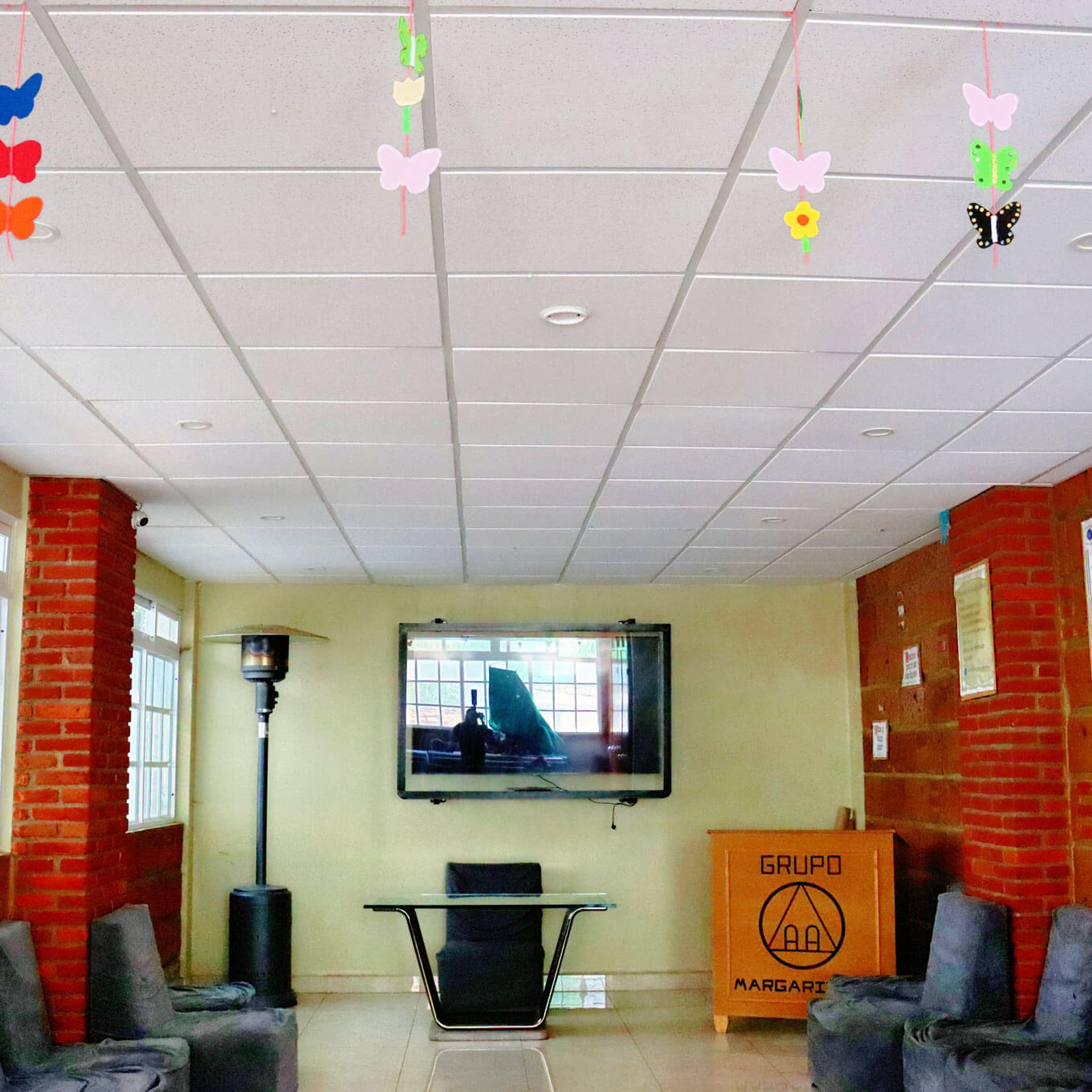


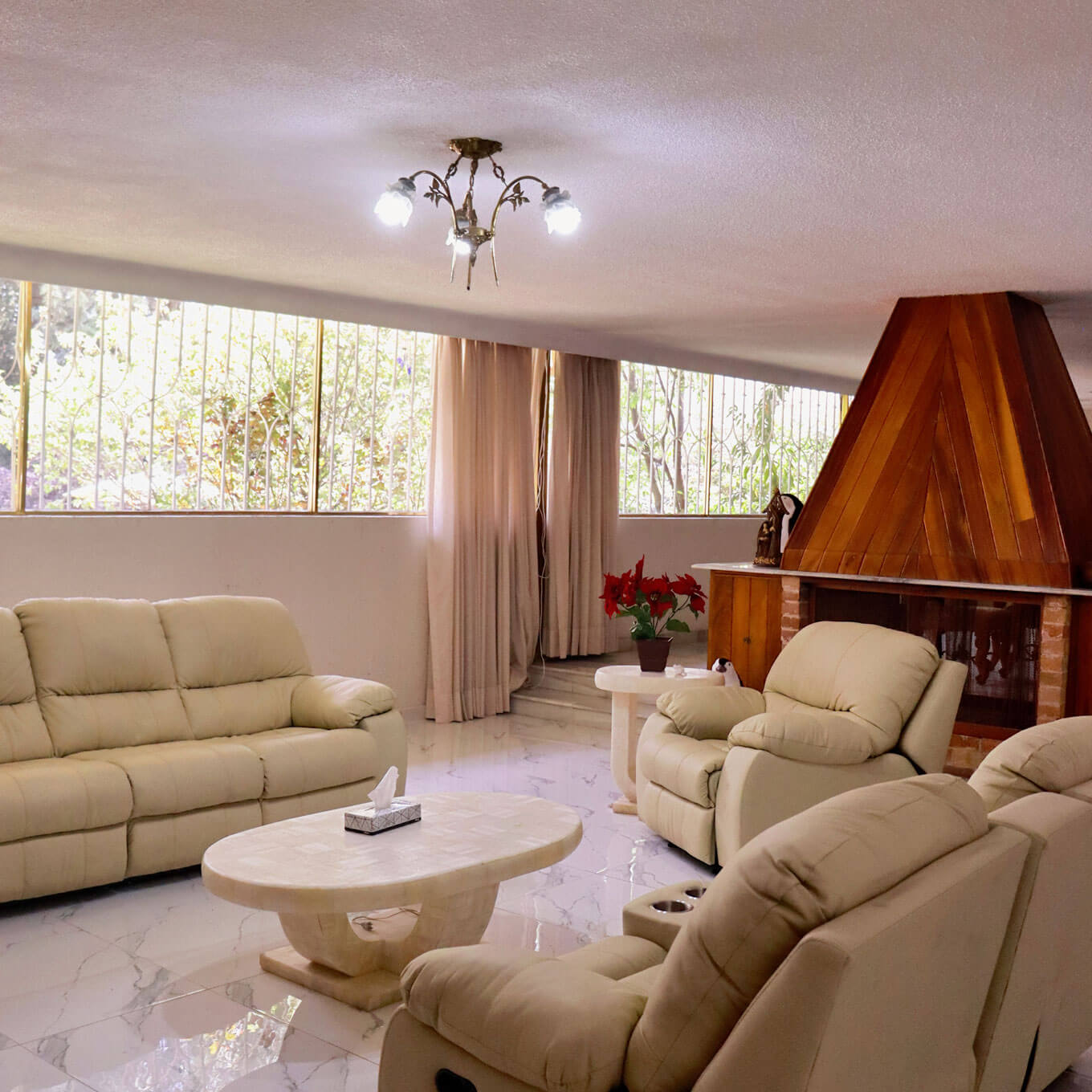

Our unique model allows patients to be in an inclusive environment, interact with society, and thrive within it. Over time, we have seen excellent results with the types of therapies and workshops we offer, which set us apart from institutions, psychiatric clinics, and other halfway houses in Mexico.

MEET OUR TEAM
Fully committed
to your mental health
Meet Margaritas Therapeutic Community
Medical Staff


Facilities
We have the best facilities in an area away from the city for the peace of mind of our patients.
- Pavilion 1
- Pavilion 2
- Sports court
- Green areas

Activities
Our therapies include a variety of activities both within and outside the community.
- Crafts and Arts Activities
- Workshops:
- Reading Workshop
- Film Discussion Workshop
- Bookbinding Workshop
-
Physical Activities:
- Movement Therapy
- Yoga
- Tai Chi
- Pilates
Treatments and Therapies
at Margaritas Therapeutic Community
Multidisciplinary Approach

Psychological Care
It focuses on guiding the patient through a health professional (psychologist).

Medical Treatment
Interconsultations with internal medicine, dentistry, neurology, gynecology etc, plus laboratory and imaging tests according to the patient's needs.

Psychological Care
It focuses on guiding the patient through a health professional (psychologist).
Medical Treatment
Interconsultations with internal medicine, dentistry, neurology, gynecology etc, plus laboratory and imaging tests according to the patient's needs.