Explore emotional genealogy (lineage) and how family patterns shape Mental Health, resilience, and well-being. Trace traits, heal inherited impacts, and thrive.
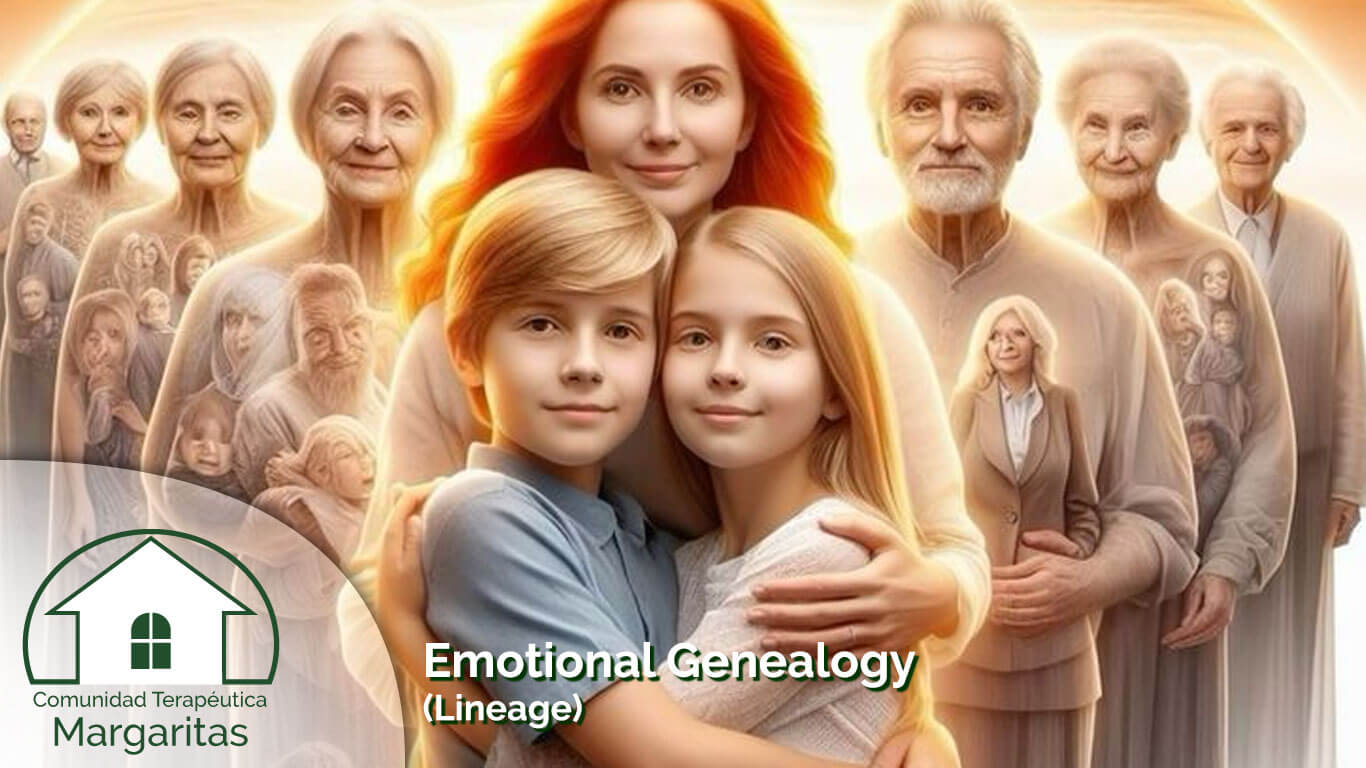
Emotional lineage is a concept used in psychology, family therapy, and personal development to describe how certain emotions, behavioral patterns, beliefs, and ways of relating are transmitted across generations within a family.
The central idea is that we inherit not only physical traits or genetics, but also ways of:
Managing fear, sadness, or anger; relating to love and conflict; reacting to money, success, or rejection; keeping silences, secrets, or family traumas.
For example:
- A family where, for generations, “emotions are not discussed”
- Repeated patterns of abandonment, violence, guilt, or dependency
- Constant anxiety learned from the family environment
- Mandates such as “you must always sacrifice yourself” or “men don’t cry
In approaches such as systemic family therapy, genograms, and some studies on intergenerational trauma, researchers examine how intense experiences lived by parents, grandparents, or great-grandparents can influence subsequent generations.
There are two main ways to understand it:
- Psychological and social:
- Based on learning, upbringing, family dynamics, and intergenerational trauma. This perspective is supported by psychological research.
- Spiritual or energetic:
- Some schools of thought speak of "family tree wounds," inherited emotional memories, or invisible loyalties. These interpretations are more symbolic and are not scientifically proven in the same way.
Related to this are concepts such as:
- Systemic psychology
- Trauma intergeneracional
- Attachment theory
Working with "emotional lineage" usually involves:
- Identifying recurring patterns
- Understanding family history
- Recognizing inherited or learned emotions
- Developing new ways of relating and responding emotionally.
It doesn't mean that a person is "doomed" by their family, but rather that understanding these patterns can help change them.
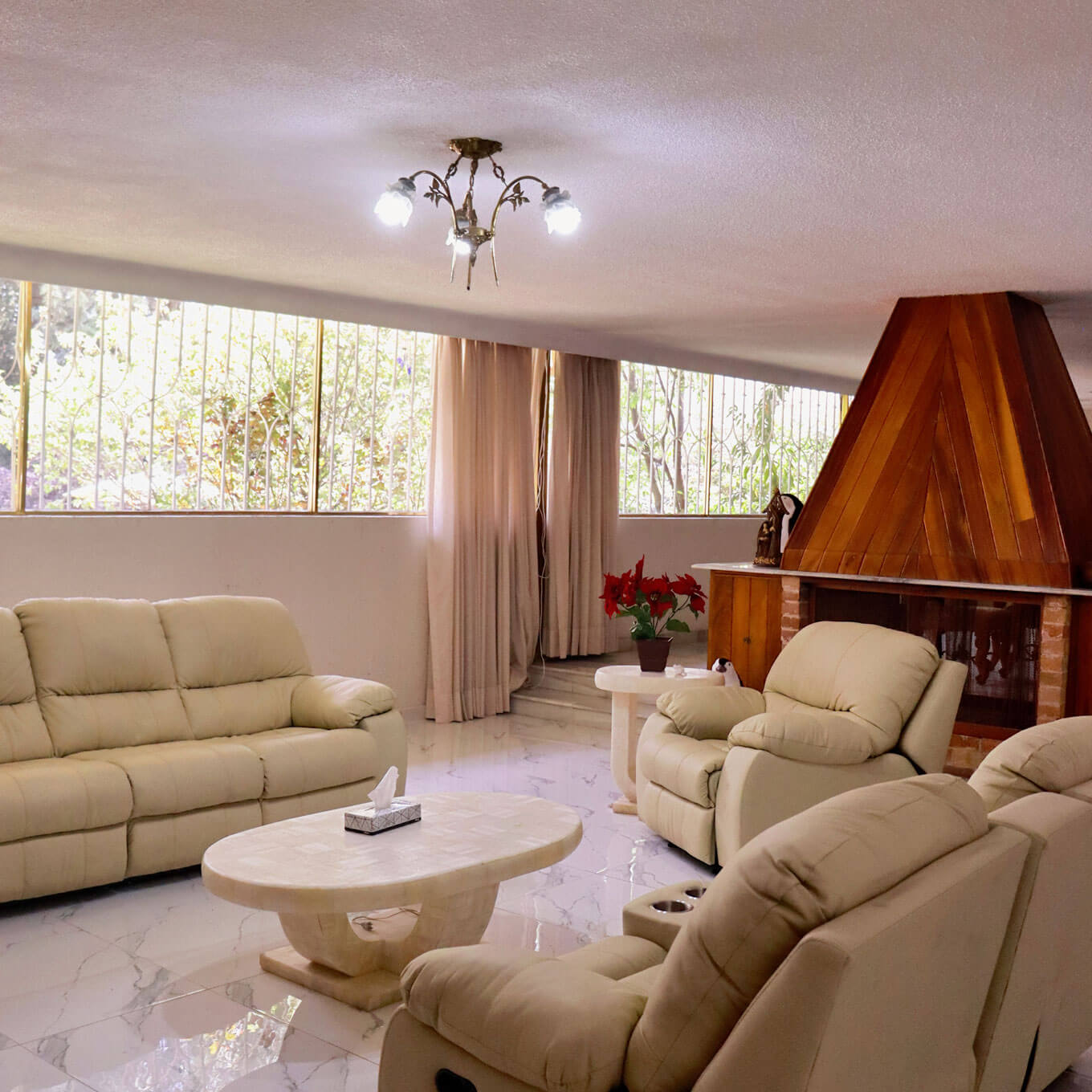
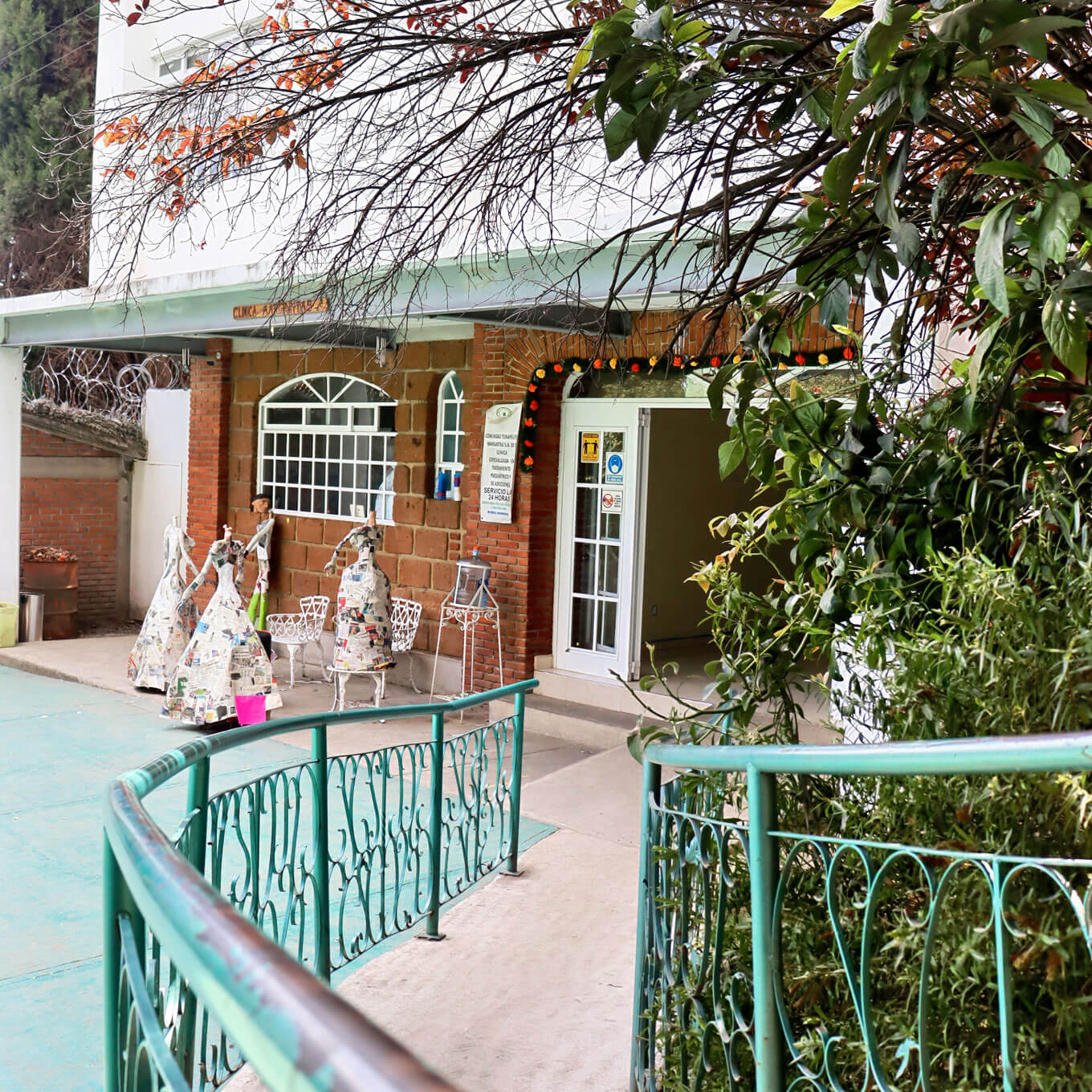

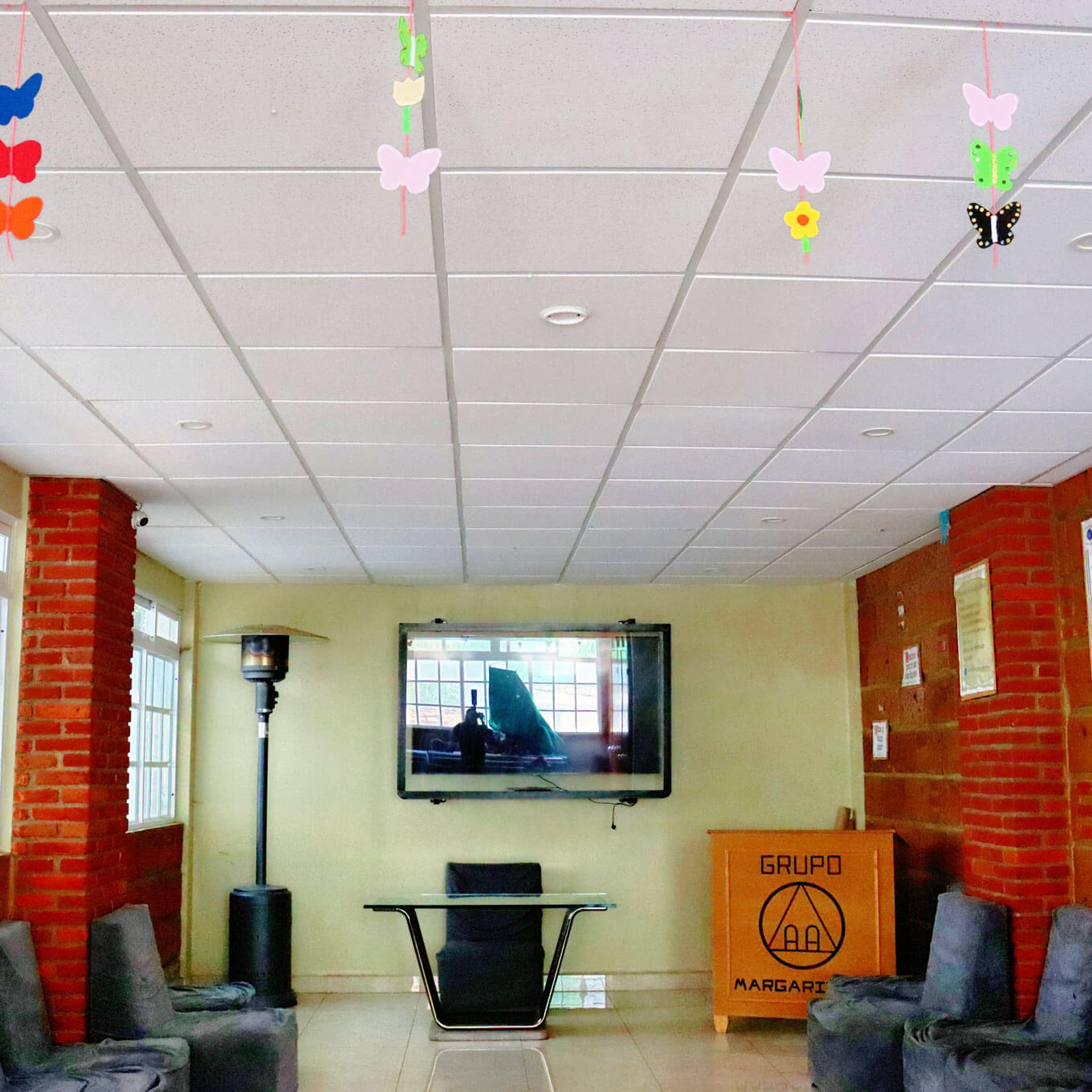

Our unique model allows patients to be in an inclusive environment, interact with society, and thrive within it. Over time, we have seen excellent results with the types of therapies and workshops we offer, which set us apart from institutions, psychiatric clinics, and other halfway houses in Mexico.

MEET OUR TEAM
Fully committed
to your mental health
Meet Margaritas Therapeutic Community
Medical Staff


Facilities
We have the best facilities in an area away from the city for the peace of mind of our patients.
- Pavilion 1
- Pavilion 2
- Sports court
- Green areas

Activities
Our therapies include a variety of activities both within and outside the community.
- Crafts and Arts Activities
- Workshops:
- Reading Workshop
- Film Discussion Workshop
- Bookbinding Workshop
-
Physical Activities:
- Movement Therapy
- Yoga
- Tai Chi
- Pilates
Treatments and Therapies
at Margaritas Therapeutic Community
Multidisciplinary Approach

Psychological Care
It focuses on guiding the patient through a health professional (psychologist).

Medical Treatment
Interconsultations with internal medicine, dentistry, neurology, gynecology etc, plus laboratory and imaging tests according to the patient's needs.

Psychological Care
It focuses on guiding the patient through a health professional (psychologist).
Medical Treatment
Interconsultations with internal medicine, dentistry, neurology, gynecology etc, plus laboratory and imaging tests according to the patient's needs.